

Nazi Memorial Sites Warn of Political Pressure and Extremist Rhetoric
Translated from German, summarized and contextualized by DistantNews.
At a glance
News
Named sources
Context piece
- German memorial sites for Nazi concentration camps are warning of increasing political pressure.
- They report attempts to influence their work and a rise in right-wing extremist rhetoric.
- The sites emphasize their independence and the importance of historical remembrance.
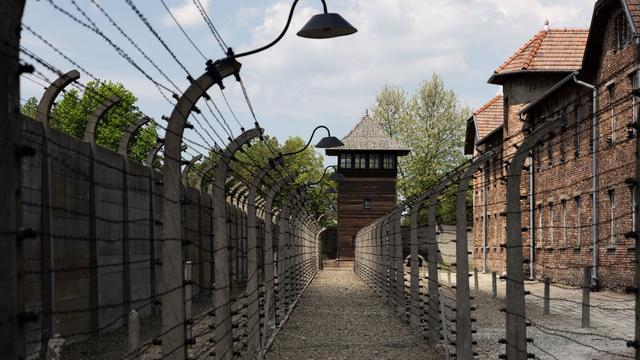
Memorial sites across Germany are sounding the alarm over growing political interference and a disturbing rise in right-wing extremist rhetoric impacting their work. Representatives from these crucial historical sites have voiced concerns about attempts to shape their educational programs and public messaging, highlighting a worrying trend that threatens the integrity of Holocaust remembrance.
The memorial sites must remain independent. They are places of remembrance and education, and they must be able to fulfill their mandate free from political influence.
The German government has acknowledged these concerns, with the Federal Government Commissioner for Culture and the Media, Claudia Roth, stating that the sites must remain independent. She emphasized that their mandate is to preserve the memory of Nazi crimes and educate the public, free from political manipulation. This commitment is vital, as the memorial sites play a critical role in confronting Germany's past and fostering democratic values.
Leaders of the memorial sites report a noticeable increase in right-wing extremist narratives attempting to infiltrate discussions and influence public perception. These narratives often seek to downplay Nazi atrocities, equate victims with perpetrators, or promote revisionist historical accounts. Such efforts undermine the sites' core mission and can distort public understanding of history, particularly among younger generations.
We are observing increasing attempts to influence our work and to instrumentalize the memorial sites for political purposes. This is unacceptable.
The warnings come at a time when historical memory is increasingly debated, and far-right parties are gaining traction in Germany. The memorial sites are on the front lines of this ideological battle, working to ensure that the lessons of the past are not forgotten or distorted. Their continued independence and robust educational work are seen as essential bulwarks against historical revisionism and the resurgence of extremist ideologies.
The rise of right-wing extremist rhetoric poses a direct threat to our mission. We are seeing attempts to distort history and relativize Nazi crimes.
DistantNews Editorial
Originally published by Die Zeit in German. Translated, summarized, and contextualized by our editorial team with added local perspective. Read our editorial standards.
More Stories


From Our Blog

What Gets Lost (and Found) When News Is Translated

How the Same Story Looks Different in Different Countries

The Critical Role of Diaspora Media in Global News

What Travellers Should Know About Countries with Restricted Press

A Digital Nomad's Guide to Following Local News
