

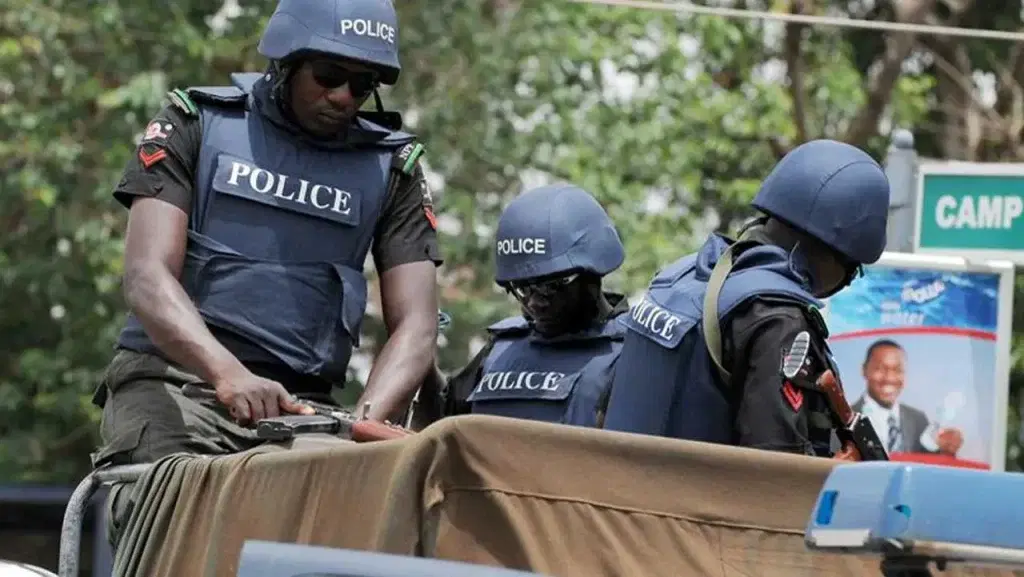

NDLEA destroys N301bn cocaine, heroin, others in Lagos
Summarized and contextualized by DistantNews.
At a glance
News
Named sources
Outcome reported
- Nigeria's National Drug Law Enforcement Agency destroyed over 329,000 kg of illicit drugs valued at N301 billion.
- The drugs, including cocaine, heroin, and methamphetamine, were destroyed following court orders after uncontested cases and seizures.
- The agency emphasized that destroying these drugs is crucial to protecting citizens and denying criminal enterprises resources, linking drug trafficking to broader security challenges.
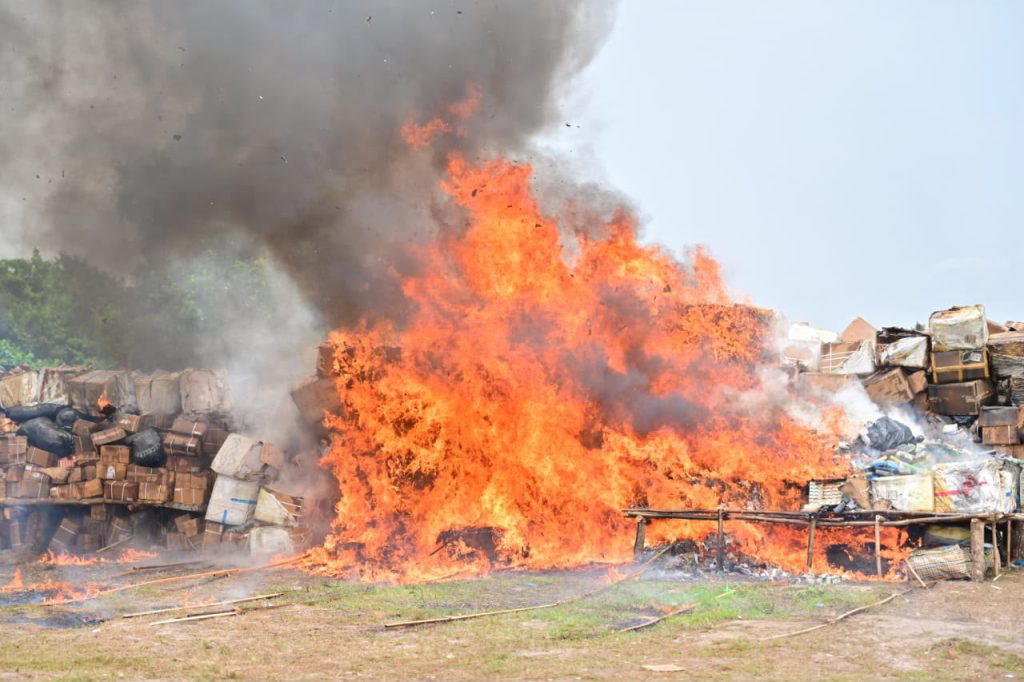
The National Drug Law Enforcement Agency (NDLEA) in Nigeria has publicly destroyed a massive quantity of illicit drugs, totaling 329,865.585 kilograms, with an estimated street value of N301.058 billion. The court-ordered exercise in Lagos saw the destruction of various substances, including cocaine, heroin, methamphetamine, cannabis, and other opioids.
a bold demonstration of Nigeria’s resolve to protect its people and deny criminal enterprises the resources they need to thrive.
According to the NDLEA spokesman, Femi Babafemi, the destruction followed uncontested court cases and abandoned seizures. A significant portion, 246,864.535 kilograms, was seized by the Lagos Strategic Command between April 2025 and May 2026, with the remainder coming from other commands operating within Lagos. The seized drugs comprised a wide range of narcotics, highlighting the scale of the drug problem in the region.
behind every kilogramme destroyed was a potential threat to a young person, family and community.
NDLEA Chairman and Chief Executive Officer, Brig. Gen. Buba Marwa (retd.), described the destruction as a clear demonstration of Nigeria's commitment to protecting its people and disrupting criminal enterprises. He noted that each kilogram destroyed represents a potential threat averted to individuals, families, and communities. Marwa linked illicit drug trafficking to Nigeria's security challenges, including funding organized crime, terrorism, and violent extremism, while also impacting the economy through increased healthcare costs and reduced investment. He commended President Bola Tinubu for his support and acknowledged the collaboration of various stakeholders, including security agencies, international partners, and the public.
illicit drugs weaken the labour force, increase healthcare costs, discourage investment and drain public resources that should be channelled into education, healthcare and infrastructure.
DistantNews Editorial
Originally published by The Punch. Summarized and contextualized by our editorial team with added local perspective. Read our editorial standards.
More Stories


From Our Blog

How the Same Story Looks Different in Different Countries

What Gets Lost (and Found) When News Is Translated

The Critical Role of Diaspora Media in Global News

What Travellers Should Know About Countries with Restricted Press

A Digital Nomad's Guide to Following Local News
