


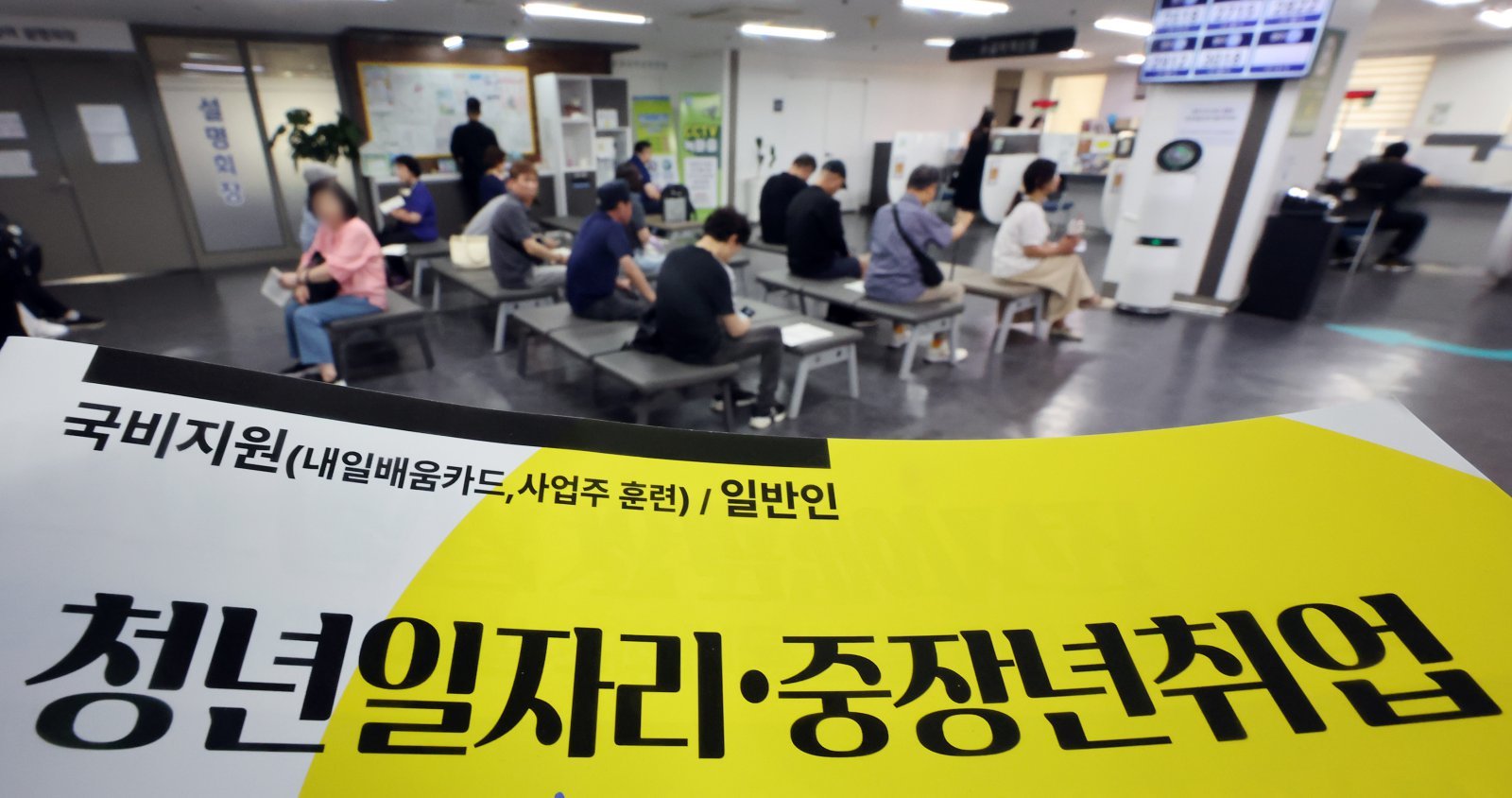
Nearly 40% of South Korean Public Job Program Participants Fall Back into Unemployment
Translated from Korean, summarized and contextualized by DistantNews.
At a glance
News
Documents & data
Outcome reported
- A study found that nearly 40% of participants in South Korea's temporary public job programs became unemployed again after the programs ended.
- The research analyzed data from over 128,000 participants between 2022 and 2024, revealing that while over half found private sector jobs without unemployment benefits, a significant portion returned to unemployment.
- The findings suggest these public jobs may only offer short-term income support for some individuals, particularly older workers, as repeat participation correlated with lower chances of securing and maintaining private sector employment.
Nearly four in 10 people who participated in South Korea's temporary public job programs found themselves unemployed again after the initiatives concluded, according to a recent study. The research, published by the Korea Employment Information Service, analyzed data from 128,629 participants in "direct employment projects" between 2022 and 2024.
While 53.4% of participants secured private sector jobs without needing unemployment benefits, a concerning 39.7% transitioned back to unemployment after their public job assignments ended. These government-funded projects are designed to help vulnerable groups, including low-income individuals and the elderly, find employment in the private sector.
The study highlighted a stark difference across age groups. Young participants showed a high rate of transition to private sector jobs (76.5%). Similarly, over half of middle-aged (60.8%) and older participants (57.5%) found private employment. However, for older male workers, only 44.7% found private jobs, with a significant 48.1% becoming unemployed after the program.
Furthermore, the analysis indicated a cycle of repeated participation in public jobs. Individuals who joined these programs multiple times had a lower probability of finding and retaining private sector employment compared to those who participated only once. Researchers noted that this suggests the direct employment projects might primarily serve as a short-term income support for certain demographics, rather than a sustainable path to stable employment.
The direct employment projects may only offer short-term income support for some individuals.
DistantNews Editorial
Originally published by Dong-A Ilbo in Korean. Translated, summarized, and contextualized by our editorial team with added local perspective. Read our editorial standards.
More Stories


From Our Blog

What Gets Lost (and Found) When News Is Translated

The Critical Role of Diaspora Media in Global News

What Travellers Should Know About Countries with Restricted Press

A Digital Nomad's Guide to Following Local News

How the Same Story Looks Different in Different Countries
