


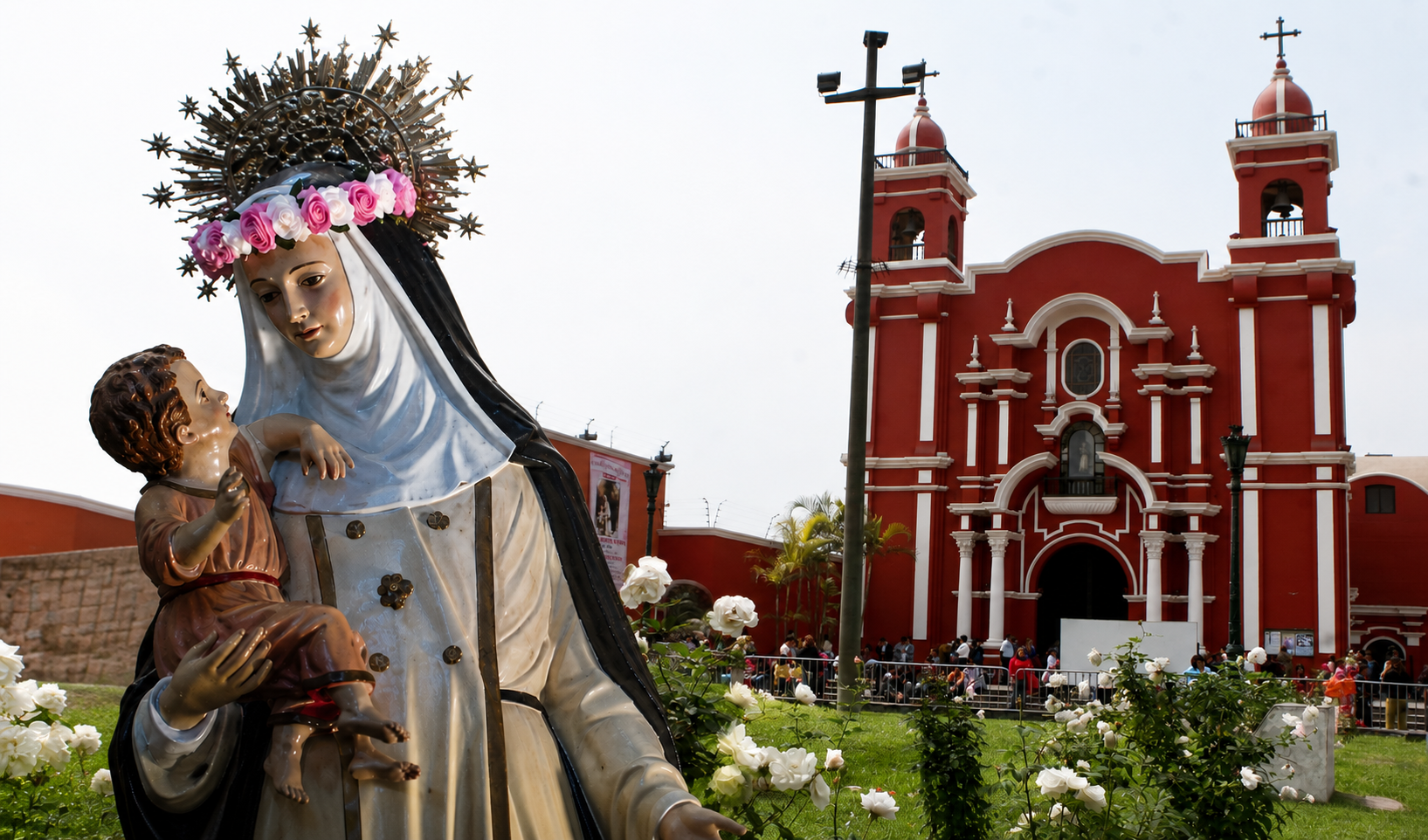
Nearly 500-year-old church and hospital ruins discovered beneath Lima shrine
Translated from Spanish and summarized by DistantNews. Read the original for the full story.
At a glance
News
Sources not specified
Outcome reported
- Archaeological excavations beneath Lima's Sanctuary of Santa Rosa de Lima have uncovered ruins of the 16th-century Church and Hospital of the Holy Spirit.
- The site, operational since 1575, includes stone walls, burial sites, and unique decorative elements like a floor mosaic with animal bone details.
- These findings will be integrated into Lima's tourist circuit, offering a glimpse into the city's colonial past.
A significant archaeological find has emerged from beneath the Sanctuary of Santa Rosa de Lima in Peru's historic center, revealing the remnants of the ancient Church and Hospital of the Holy Spirit. This complex, which served the community from 1575, had remained hidden for centuries beneath layers of stone and debris before its recent uncovering during research and restoration work by the Municipality of Lima through Prolima.
The discovery includes substantial portions of the Hospital of the Holy Spirit, founded by Greek merchant Miguel de Acosta and approved by Viceroy Francisco de Toledo. Initially established to serve sailors, pilots, and workers involved in naval activities, the hospital expanded its care to other segments of viceregal society and operated until the early years of the Republic before relocating. Archaeologists also identified the entrance to the original Church of the Holy Spirit, characterized by stone, brick, and adobe walls bound with calicanto mortar.
Beneath a floor of decorative tiles, various funerary contexts were found, including burials within niche-like rectangular structures and directly in the ground. Recovered artifacts include 18th-century Valencian tiles, measuring 21 by 21 centimeters and adorned with floral motifs, offering insights into the building's architectural history and periods of occupation. A particularly striking discovery is a large stone-paved floor at the former hospital entrance, designed as a six-petaled flower where the tips of the petals were crafted from animal bone fragments.
Beyond its medical and religious functions, the site hosted mathematics, piloting, and cosmography lectures during the Viceroyalty. Later, its spaces housed the Colegio de Educandas del Espíritu Santo Madama Nussard, the National Museum, and the National School of Engineers. Prolima is currently undertaking conservation efforts on the paved floor, walls, and mural fragments, with plans to integrate these historical vestiges into the Sanctuary's tourist circuit, allowing visitors to explore this nearly 500-year-old layer of Lima's history.
About this summary
Originally published by La República in Spanish. Translated, summarized, and contextualized automatically by DistantNews, with a note on how the source frames the story. Not individually reviewed before publishing. How this works.
More Stories

From Our Blog

What Gets Lost (and Found) When News Is Translated

The Critical Role of Diaspora Media in Global News

What Travellers Should Know About Countries with Restricted Press

A Digital Nomad's Guide to Following Local News

How the Same Story Looks Different in Different Countries
