


'Negotiating with bombs': US and Iran caught in escalation trap
Translated from Vietnamese, summarized and contextualized by DistantNews.
At a glance
News
Sources not specified
Ongoing story
- The US and Iran have escalated military actions, with the US conducting airstrikes and Iran blockading the Strait of Hormuz.
- Analysts suggest both sides are seeking leverage at the negotiating table despite a ceasefire agreement.
- The recent escalation began after a US helicopter was shot down near the Strait of Hormuz.
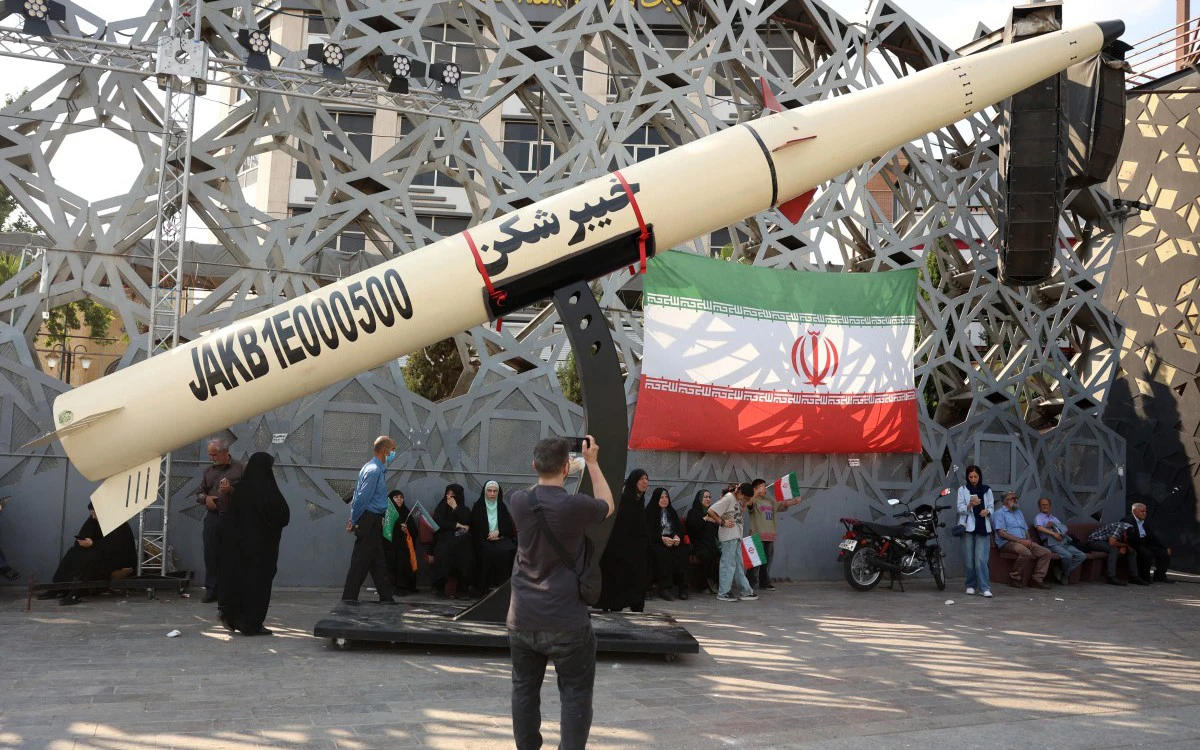
The United States and Iran have engaged in a significant military escalation, marked by U.S. airstrikes across Iran and Tehran's subsequent declaration of a complete blockade of the Strait of Hormuz. Iran also reportedly targeted 18 facilities housing U.S. troops in the region.
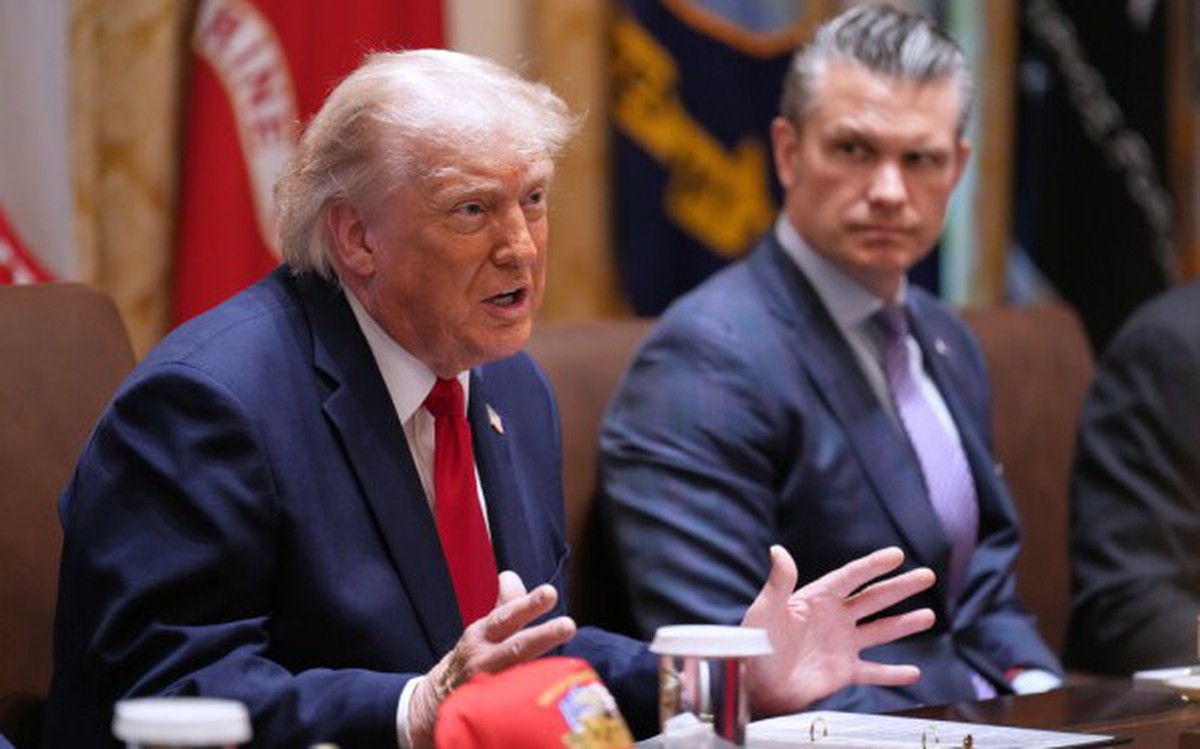
Analysts interpret these developments as a deepening paradox: neither side appears willing to abandon the ceasefire signed in April, yet both are escalating conflict, seemingly to gain an advantage in ongoing negotiations. The latest surge in hostilities ignited after a U.S. Apache helicopter was shot down near the Strait of Hormuz on June 8th. President Trump accused Iran of involvement and vowed retaliation, initiating a series of reciprocal attacks.
According to Al Jazeera, U.S. airstrikes on the night of June 10th occurred in two or three waves, hitting nearly a dozen provinces. These strikes targeted military surveillance, communication, and air defense systems across Iran. Notably, Iranian media accused the U.S. of striking water storage facilities, leaving over 20,000 residents without water amidst temperatures exceeding 38°C. New York Times analysis of satellite imagery from June 9th appears to corroborate these claims, showing damaged water storage structures. The use of GBU-39 guided bombs, identified from debris, suggests precision targeting, though it remains unclear if the civilian infrastructure was intentionally targeted. Such an act, if confirmed, could constitute a war crime.
Conversely, Iran's Islamic Revolutionary Guard Corps (IRGC) announced two waves of attacks on 18 facilities housing U.S. troops in the Middle East. Kuwait reported closing its airspace and shooting down Iranian aerial assets, while alarms sounded across Bahrain. The situation remains tense, with analysts uncertain about the extent of further escalation or the potential collapse of the ceasefire. Within the U.S., signals are mixed, with CENTCOM describing the strikes as "self-defense" while President Trump labeled them "devastating and overwhelming," threatening further action if Iran does not agree to a deal. Some U.S. officials have suggested a willingness to "negotiate with bombs" if necessary, accusing Iran of stalling negotiations.
If we need to negotiate with bombs, we will negotiate with bombs.
DistantNews Editorial
Originally published by Tuổi Trẻ in Vietnamese. Translated, summarized, and contextualized by our editorial team with added local perspective. Read our editorial standards.
More Stories

From Our Blog

What Gets Lost (and Found) When News Is Translated

The Critical Role of Diaspora Media in Global News

What Travellers Should Know About Countries with Restricted Press

A Digital Nomad's Guide to Following Local News

How the Same Story Looks Different in Different Countries
