

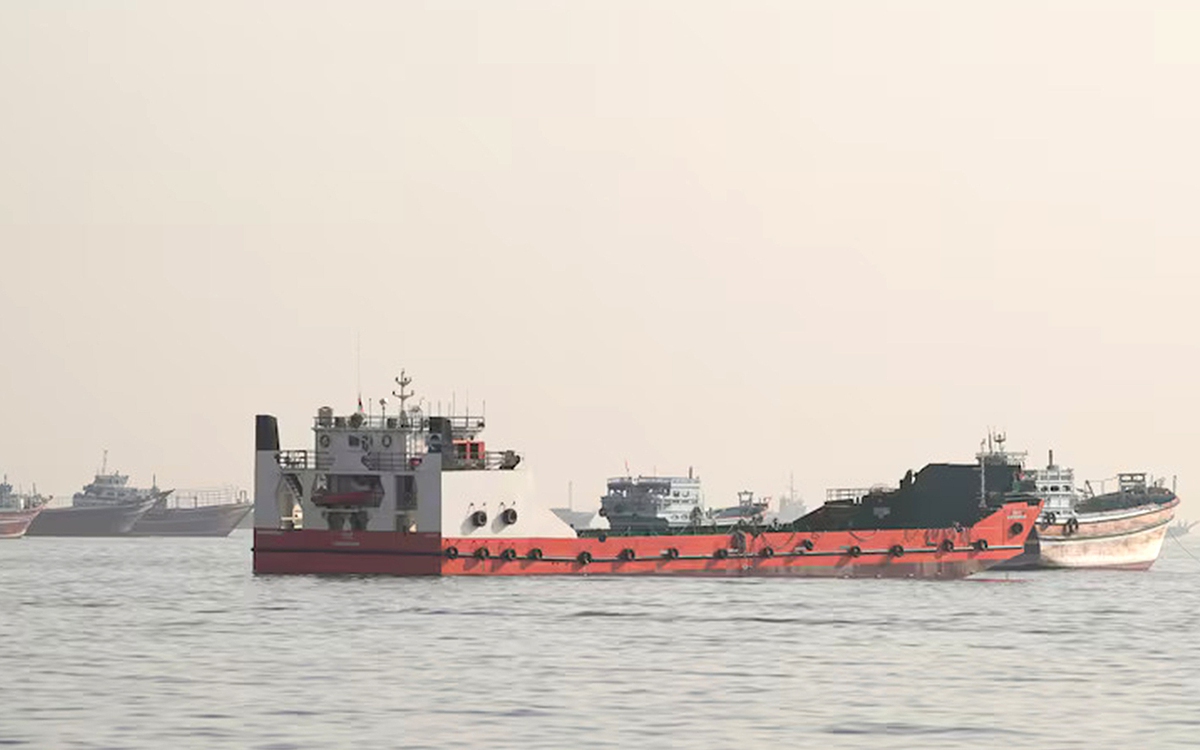

US Launches Intensive Strikes on Iran: A 'Large-Scale, Short-Duration' Campaign?
Translated from Vietnamese, summarized and contextualized by DistantNews.
At a glance
News
Named sources
Ongoing story
- The U.S. has launched a series of intense, short-term attacks on Iran, aiming to pressure Tehran into signing a new deal.
- These military actions, including strikes on air defense and radar systems, are intended to weaken Iran's ability to threaten maritime traffic in the Strait of Hormuz.
- Iran has stated it will not negotiate under pressure or threats, asserting its stance against forceful diplomacy.
The United States has initiated a series of forceful, short-term military strikes against Iran, signaling a significant escalation in tensions and a clear strategy to compel Tehran to accept President Donald Trump's terms for a new deal. These attacks, described as "large in scale, but short in duration," are designed to exert maximum pressure without committing to a full-scale war.
If necessary, we will negotiate with bombs.
U.S. officials, including War Minister Pete Hegseth, have indicated that these operations are not about restarting conflict but about shaping conditions for a favorable agreement. The strategy involves "negotiating with bombs" if necessary, with military pressure expected to intensify until Iran concedes. This approach aims to weaken Iran's capacity to disrupt maritime activities in the Strait of Hormuz, thereby reassuring shipping companies.
Military pressure will only increase until Iran concedes to the president's conditions.
However, Iran has firmly rejected this coercive diplomacy. Ambassador Amir Saeid Iravani declared that sustainable agreements cannot be reached through terrorism or force. Iran maintains a consistent position: it has never negotiated under duress and will not succumb to threats, underscoring its resolve against external pressure.
No sustainable agreement can be reached through terrorism, threats, or the use of force.
Analysts suggest that beyond military pressure, the U.S. strikes target Iran's air defense and command systems to diminish its leverage in the Strait of Hormuz. This move also serves to project an image of improving security in the region, aiming to calm international shipping concerns. Despite these efforts, Iran's determination to resist pressure suggests a challenging path ahead for U.S. objectives.
Iran has never negotiated under pressure or threats, and will never submit to coercion.
DistantNews Editorial
Originally published by Tuổi Trẻ in Vietnamese. Translated, summarized, and contextualized by our editorial team with added local perspective. Read our editorial standards.
More Stories
From Our Blog

What Gets Lost (and Found) When News Is Translated

The Critical Role of Diaspora Media in Global News

What Travellers Should Know About Countries with Restricted Press

A Digital Nomad's Guide to Following Local News

How the Same Story Looks Different in Different Countries
