

Nepal and China Search for 3,000 Missing After Deadly Himalayan Landslide
Translated from Spanish and summarized by DistantNews. Read the original for the full story.
At a glance
News
Named sources
Ongoing story
- Rescue teams in Nepal and China are searching for nearly 3,000 people missing after a massive landslide buried villages and infrastructure.
- The disaster, attributed to a glacier collapse, has created thick mud that hampers rescue efforts, with 633 bodies recovered so far.
- Survivors describe losing everything and face an anxious wait for news of loved ones, while rescue operations focus on a hydroelectric plant where workers are trapped.
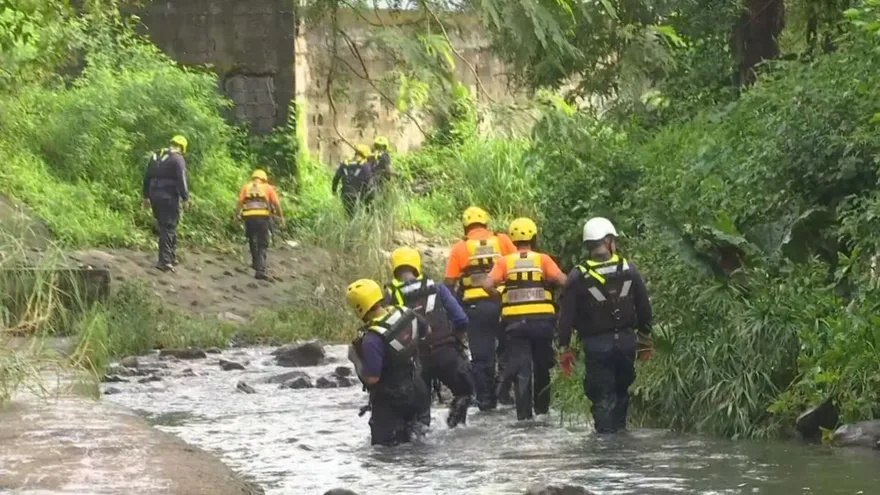
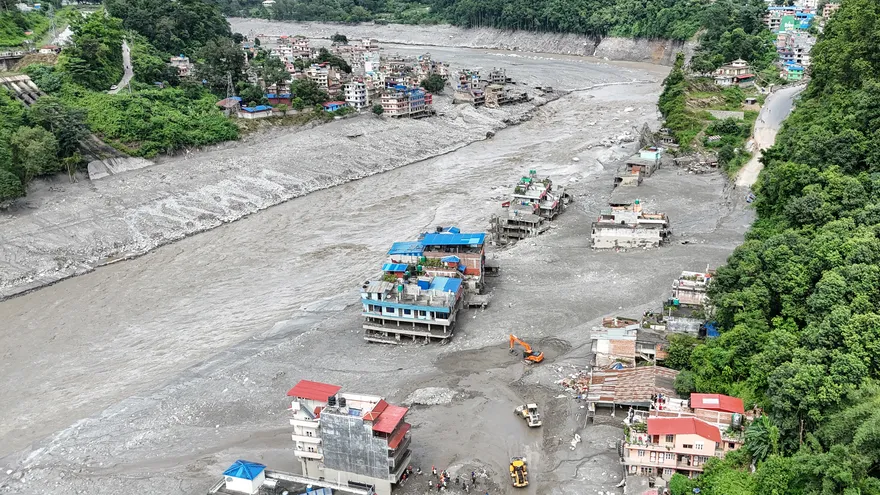
Rescue teams in Nepal and China are engaged in a desperate search for nearly 3,000 people missing after a devastating landslide swept through a Himalayan border region earlier this week. The disaster has buried villages and infrastructure under thick mud, making recovery efforts extremely difficult.
Official figures indicate 633 bodies have been recovered, with reports suggesting some victims may have been washed downstream to India. The sheer volume of mud covering the affected areas presents a significant challenge for rescuers. "People want to recover the bodies of their relatives, alive or dead, but we cannot find them... you can see the mud," Kawan Koirala, a member of Nepal's Disaster Response Team, told AFP, describing the exhausting 18-hour workdays and the traumatic nature of the scene.
People want to recover the bodies of their relatives, alive or dead, but we cannot find them... you can see the mud.
The landslide, triggered by what is believed to be a glacier collapse, occurred on Wednesday, burying homes, destroying bridges, and sweeping away vehicles in both Nepal and China's Tibet Autonomous Region. While the exact cause is under investigation, climate change is increasingly linked to melting glaciers and a rising risk of such disasters.
All the settlements near the river were wiped out. Nothing is left.
In a region with significant energy infrastructure projects, Nepal's disaster authority has added 933 workers to its missing persons list, which also includes dozens of trekkers and pilgrims. Survivors recount losing everything and facing an agonizing wait for news. "All the settlements near the river were wiped out. Nothing is left," said survivor Buddhi Ram Dangol.
At a military base in Bidur serving as a rescue hub, families anxiously check lists of survivors. "I came here looking for my son," said Kalka Sharda, whose son worked at a hydroelectric plant. "He was a worker at the hydroelectric plant, but I can't find his name and the authorities aren't saying anything." A specialized Indian unit has arrived to assist in efforts to reach about a hundred people trapped in a tunnel at a hydroelectric plant since the disaster.
I came here looking for my son. He was a worker at the hydroelectric plant, but I can't find his name and the authorities aren't saying anything.
About this summary
Originally published by TVN Panamá in Spanish. Translated, summarized, and contextualized automatically by DistantNews, with a note on how the source frames the story. Not individually reviewed before publishing. How this works.
More Stories
From Our Blog

What Gets Lost (and Found) When News Is Translated

The Critical Role of Diaspora Media in Global News

What Travellers Should Know About Countries with Restricted Press

A Digital Nomad's Guide to Following Local News

How the Same Story Looks Different in Different Countries
