


Nepal flood death toll climbs to at least 359, new flood risks emerge
Translated from Korean and summarized by DistantNews. Read the original for the full story.
At a glance
News
Sources not specified
Ongoing story
- Nepal's flood death toll has risen to at least 359, with over 1,400 people missing, raising fears of a further increase in fatalities.
- The disaster was likely triggered by a massive glacial collapse in the Himalayas near the China-Nepal border, causing a river to dam and subsequently flood downstream areas.
- International aid is being mobilized, with the UN releasing $2 million from its emergency fund, while concerns remain about potential further floods from newly formed lakes.
The death toll from recent floods in Nepal has tragically climbed to at least 359, with an alarming number of over 1,400 people still missing. Authorities fear the number of fatalities will continue to rise as rescue and recovery efforts proceed.
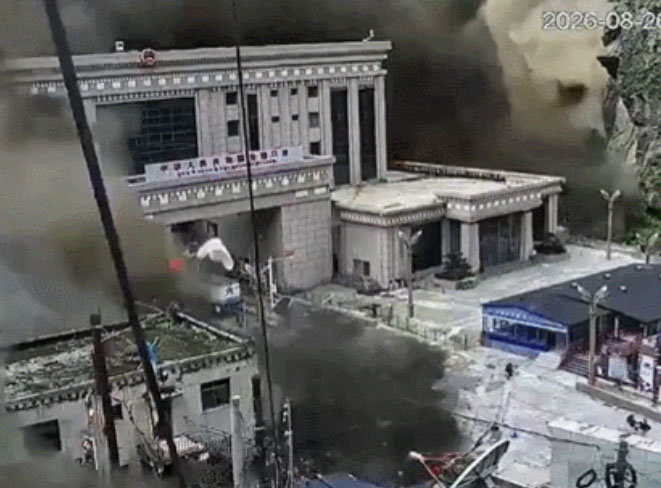
A lake has formed about 18 kilometers upstream from the Rasuwa Gadhi border crossing due to the blockage of the Lende River flow. If the dam of this naturally formed lake collapses, there is a risk of another large-scale flood.
The disaster is believed to have been triggered by a massive glacial collapse on Langtang Lirung mountain, near the border between Nepal and China's Tibet Autonomous Region. Approximately 600 meters of glacier reportedly collapsed into the Lende River, creating a dam. The subsequent breach of this natural dam unleashed a powerful flood that inundated residential areas downstream.
Residents in downstream areas should take necessary preparatory measures and exercise extreme caution.
Adding to the concern, new flood risks have emerged. Nepalese authorities have identified a newly formed lake upstream from the Rasuwa Gadhi border crossing, created by the river blockage. They have warned residents in downstream areas to take necessary precautions, as the collapse of this natural dam could lead to another large-scale flood. Chinese water authorities have also warned of a high risk of dam failure within three days if rainfall continues.
The amount of water in one naturally formed lake in the area was estimated, and there is a high risk of the dam bursting within three days if it continues to rain.
In response to the crisis, the United Nations has announced an emergency allocation of $2 million from its rapid response fund to support medical aid, temporary shelters, and drinking water provisions. An emergency response team has already been deployed to the affected region, with additional personnel on standby.
The UN Emergency Response Fund will provide an emergency grant of $2 million (2.7 billion won) for medical aid, temporary shelters, and drinking water in the region.
About this summary
Originally published by Hankyoreh in Korean. Translated, summarized, and contextualized automatically by DistantNews, with a note on how the source frames the story. Not individually reviewed before publishing. How this works.
More Stories


From Our Blog

What Gets Lost (and Found) When News Is Translated

The Critical Role of Diaspora Media in Global News

What Travellers Should Know About Countries with Restricted Press

A Digital Nomad's Guide to Following Local News

How the Same Story Looks Different in Different Countries
