


Nepal flood death toll reaches 1,066, but no sign yet of nine missing South Koreans
Translated from Korean and summarized by DistantNews. Read the original for the full story.
At a glance
News
Named sources
Ongoing story
- Authorities in Nepal and Tibet have confirmed 1,066 deaths and 4,462 missing people one week after the floods.
- Nine South Koreans remain missing, while rescuers focus on tunnels where at least 639 hydropower workers are believed trapped.
- Heavy mud, flooding inside tunnels and at least 2.2 million tonnes of debris are slowing rescue and identification efforts.
A week after devastating floods struck Nepal, the confirmed death toll in Nepal and Chinese Tibet has risen to 1,066. The nine South Koreans who lost contact after the disaster have still not been found.
Nepalese authorities had recovered 1,050 bodies by the afternoon of September 1, according to AFP. Another 3,916 people remained missing. Chinese state media reported 16 deaths and 546 missing people in Tibet, bringing the combined number of missing people to 4,462. Foreign nationals account for 844 of those missing, coming from more than 30 countries.
The Nepalese government has concentrated its search on hydropower tunnels, where it believes more than 639 workers are trapped. Rescue teams worked through the night using excavators and explosives to open tunnel entrances. Nepal’s Foreign Minister Shishir Khanal said, “We have not given up hope that some of the thousands of missing people are still alive.”
We have not given up hope that some of the thousands of missing people are still alive.
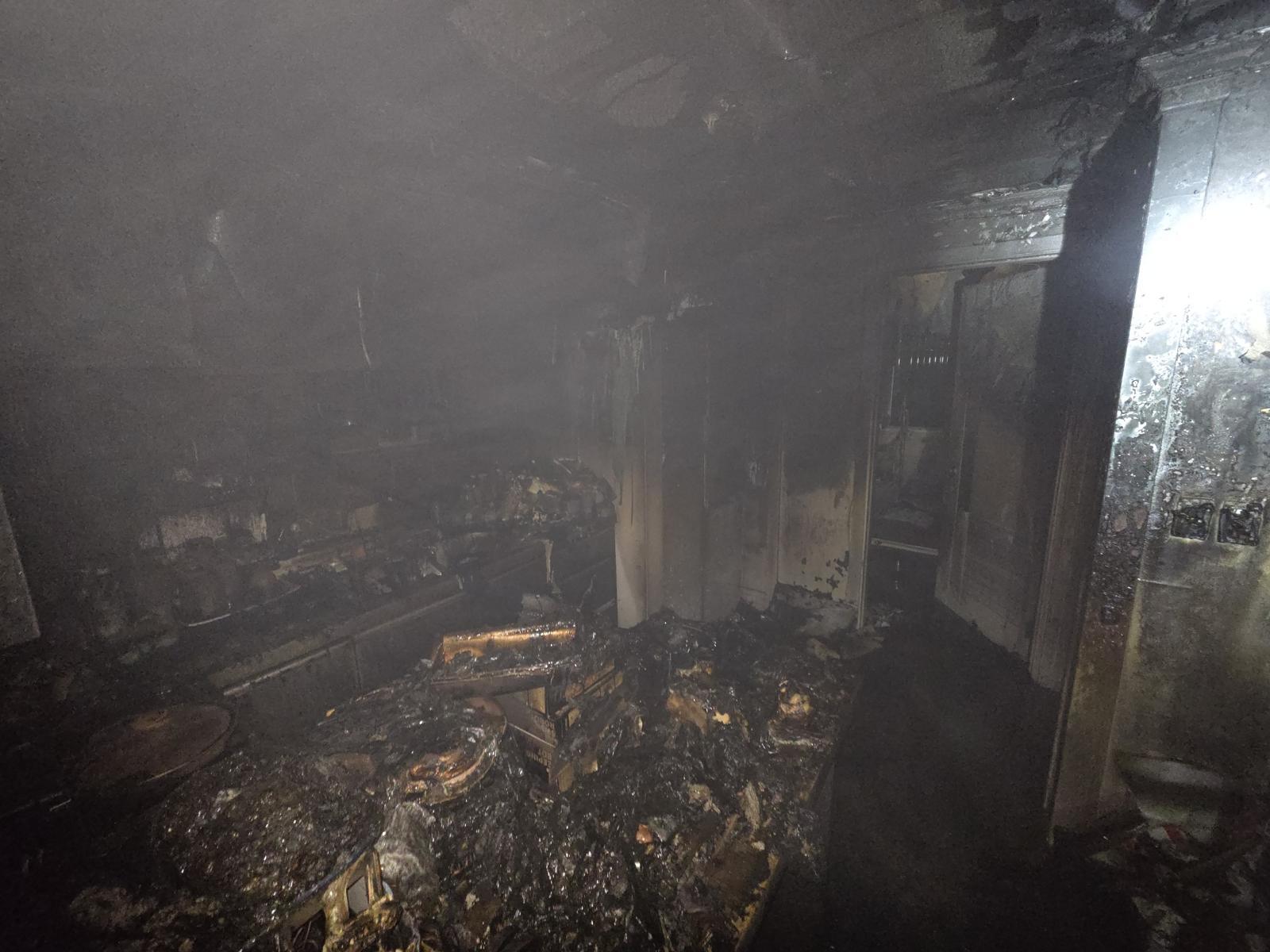
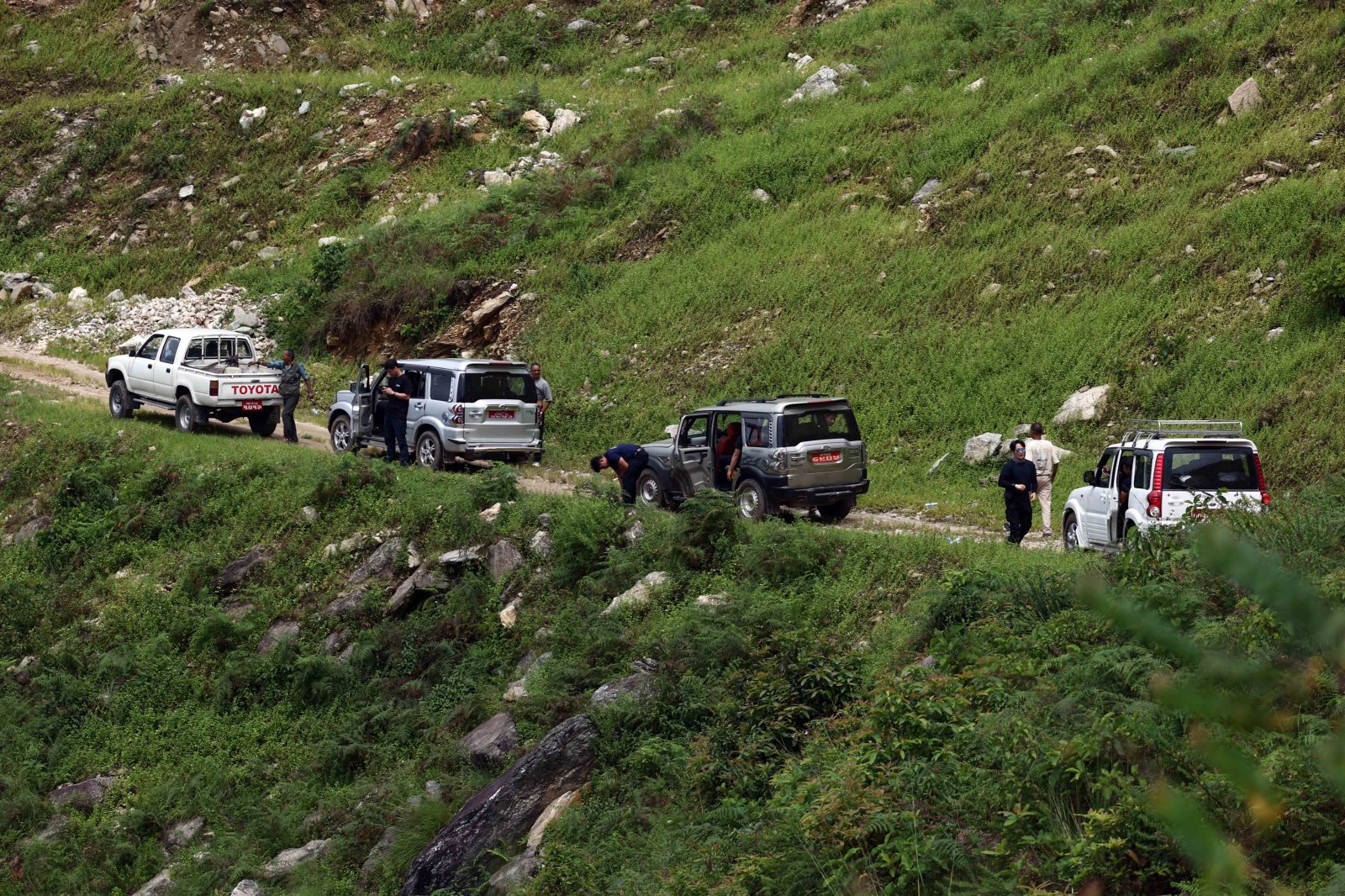
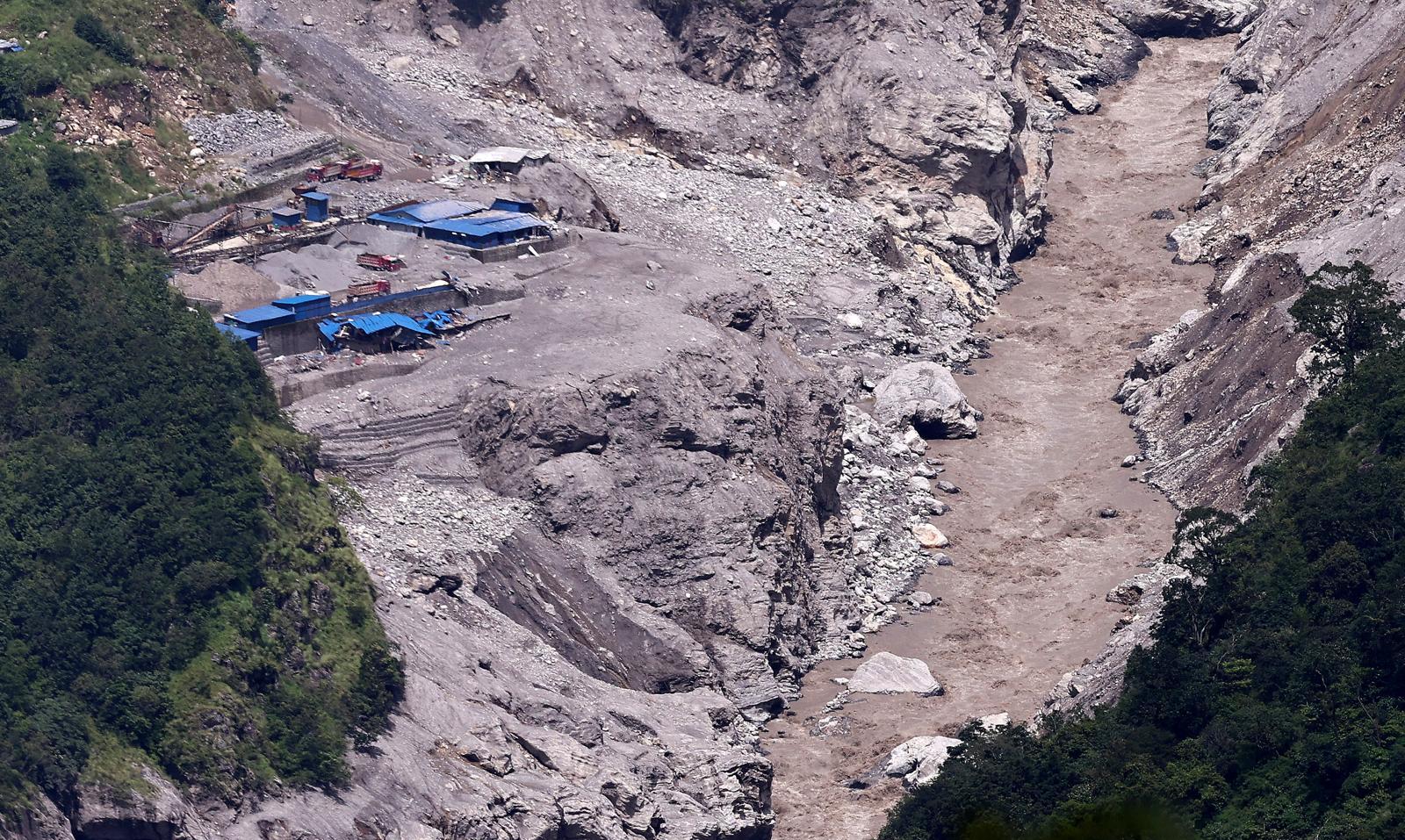
The effort has been slowed by large amounts of mud inside the tunnels. The Nepal Army said water began pouring through a hole drilled by rescuers, forcing teams to start work on another access route. Mountain guide Ashish Gurung told Reuters that an initial assessment at the Trishuli hydropower plant showed it was impossible for people to enter the tunnel directly. A South Korean government rapid-response team has also searched the Upper Trishuli-1 hydropower plant and other sites where the nine missing Koreans worked, but has not found survivors.
Searches in villages and other residential areas face similar obstacles. The United Nations Development Programme estimates that collapsed buildings, rocks and mud have left at least 2.2 million tonnes of debris. Residents are looking through the mud for usable belongings and putting up plastic tarpaulins as temporary shelters. With morgues overwhelmed by the number of bodies, authorities have begun burying hundreds that remain unidentified even after DNA testing.
The initial rescue situation at the Trishuli hydropower plant showed that it was impossible for people to enter the tunnel directly.
About this summary
Originally published by Hankyoreh in Korean. Translated, summarized, and contextualized automatically by DistantNews, with a note on how the source frames the story. Not individually reviewed before publishing. How this works.
More Stories

From Our Blog

What Gets Lost (and Found) When News Is Translated

The Critical Role of Diaspora Media in Global News

What Travellers Should Know About Countries with Restricted Press

A Digital Nomad's Guide to Following Local News

How the Same Story Looks Different in Different Countries
