


Nepal Flood Reconstruction May Cost Up to $5 Billion, Approaching 10% of Economy
Translated from Korean and summarized by DistantNews. Read the original for the full story.
At a glance
News
Named sources
Ongoing story
- Nepal faces reconstruction costs of $4 billion to $5 billion following a devastating glacial flood, potentially impacting 10% of its economy.
- The flood, triggered by a glacial collapse on August 26th, has caused significant loss of life and infrastructure damage, including to vital transportation routes and hydropower facilities.
- While the estimated cost is lower than the 2015 earthquake reconstruction, it remains a substantial burden for Nepal's economy, which relies heavily on remittances, tourism, and hydropower.
Nepal is grappling with the aftermath of a catastrophic glacial flood, with initial estimates suggesting reconstruction costs could reach between $4 billion and $5 billion. This staggering figure represents nearly 10% of the nation's economy, highlighting the profound economic shock following the disaster.
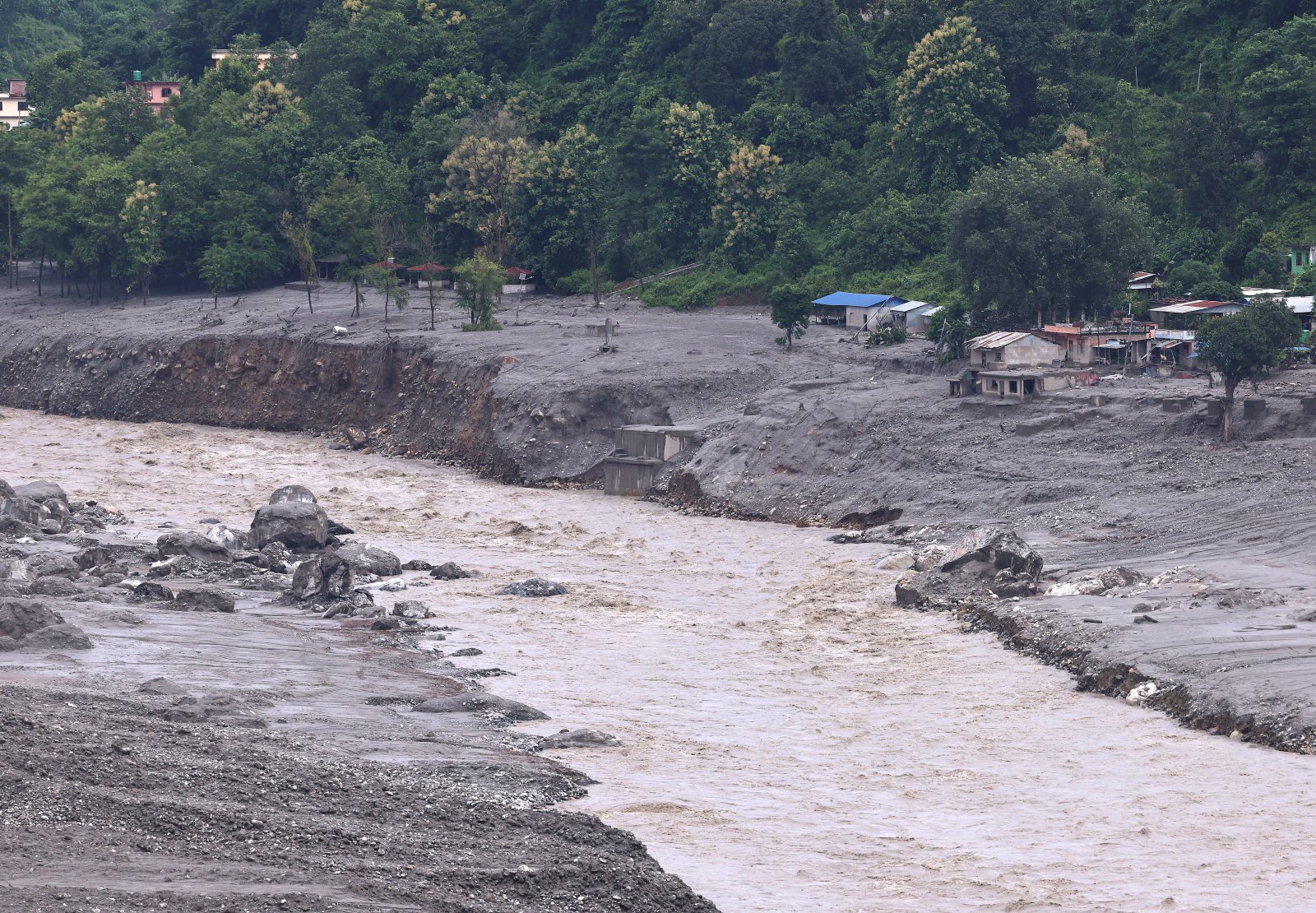
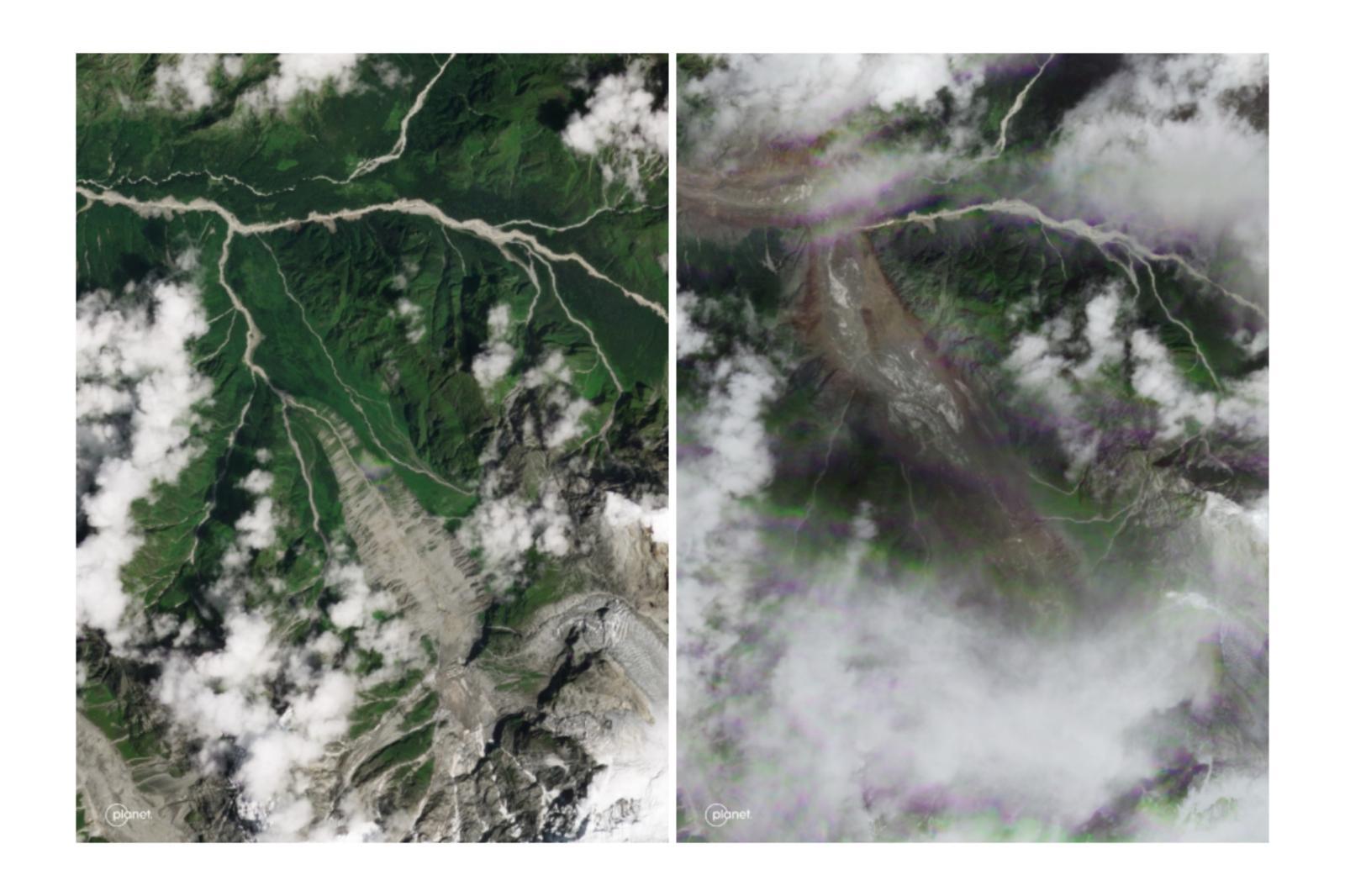
The flood, which began on August 26th after a glacial collapse in the Himalayas bordering Nepal and Tibet, unleashed a torrent of rock, ice, mud, and debris. The deluge swept through valleys and rivers, devastating border villages, bridges, roads, and crucial hydropower plants. As of August 29th, Nepal reported 626 deaths and 2,426 missing, with combined figures including Tibet reaching close to 3,000 missing.
The initial estimate for reconstruction costs is between $4 billion and $5 billion, and this is just a preliminary estimate.
The damage extends beyond the tragic loss of life. Critical cross-border transportation links between Nepal and China have been severed, and the destruction of mountain roads and bridges severely hampers rescue, relief, and supply efforts. The impact on hydropower is particularly severe, with over 12% of Nepal's total installed capacity damaged, threatening power supply stability for households and businesses and jeopardizing long-term plans for electricity exports.
Finance Minister Swarnim Wagle described the $4 billion to $5 billion figure as a preliminary estimate, noting it would be less than the approximately $9 billion needed after the 2015 earthquake. However, even this reduced amount presents a formidable challenge for Nepal's national finances. The World Bank projects Nepal's GDP growth to be a mere 2.3% this year, and while reconstruction may offer some stimulus, the long-term disruption to power, tourism, and transport infrastructure could significantly dampen future growth prospects.
It will cost much less than what was needed after the 2015 earthquake.
About this summary
Originally published by Dong-A Ilbo in Korean. Translated, summarized, and contextualized automatically by DistantNews, with a note on how the source frames the story. Not individually reviewed before publishing. How this works.
More Stories


From Our Blog

What Gets Lost (and Found) When News Is Translated

The Critical Role of Diaspora Media in Global News

What Travellers Should Know About Countries with Restricted Press

A Digital Nomad's Guide to Following Local News

How the Same Story Looks Different in Different Countries
