


Nepal Floods Enter Second Week as Rescuers Search for Workers Trapped in Tunnels
Translated from Korean and summarized by DistantNews. Read the original for the full story.
At a glance
News
Named sources
Ongoing story
- Nepal’s disaster agency says at least 933 workers are missing from six hydropower sites along the Trishuli River, including nine South Koreans.
- Experts say survival may depend on access to oxygen, water and food inside tunnels, though flooding and blocked exits could sharply reduce the chances.
- Rescuers have reached parts of several tunnels, recovered bodies and injected oxygen at one site, but no survivors have been reported.
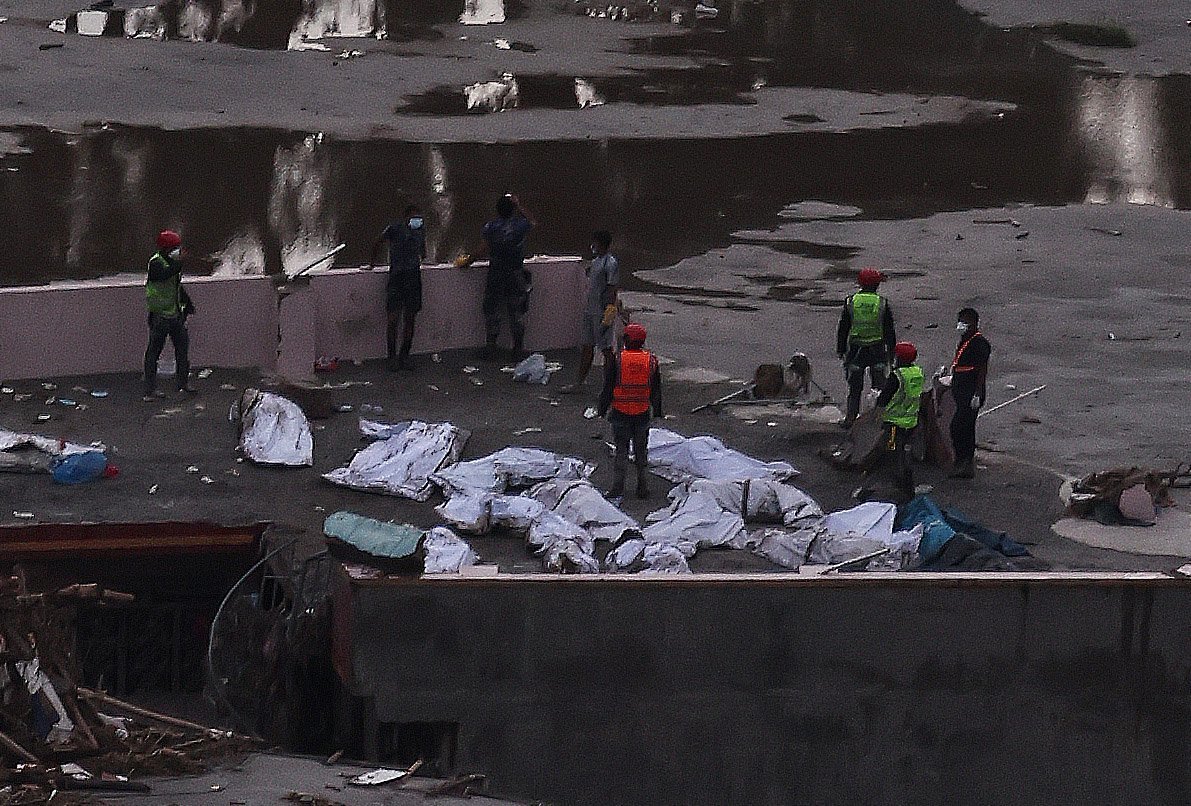
A network of tunnels beneath Nepal’s hydropower projects may offer trapped workers enough space to survive for weeks, but only if water, oxygen and emergency food remain available. Rescue teams are entering the seventh day of searches after landslides and floods devastated central and northern parts of the country.
Nepal’s disaster agency said at least 933 workers had gone missing at six hydropower sites along the Trishuli River. Nine South Koreans were working at the Upper Trishuli-1 plant when the disaster struck. The number of people trapped inside the collapsed tunnels, and how many might still be alive, remains unclear.
The first 72 hours, or three days, are the most important for rescue.
The tunnels at some facilities extend for several kilometers. A CNN account said workers could theoretically survive for weeks in the available underground space if it had not filled with water and still had adequate oxygen. Mountain guide Zenzen Lama said six people were believed to be missing inside the Chilime hydropower plant. The plans show a kitchen and some food, he said, but he did not know whether oxygen remained. Rescuers recovered two bodies from the Chilime tunnel the previous day.
If there is no drinking water, surviving more than three days would be virtually impossible.
At the Trishuli 3A site, where 42 people are reportedly unaccounted for, rescuers drilled four holes through the top of the tunnel, injected oxygen and reached the interior. No survivors had been reported. At Upper Trishuli-1, teams advanced to within 300 meters and recovered one body whose nationality and identity were not confirmed.
Experts differed over the prospects. Jennifer Horney of the University of Delaware said the first 72 hours are the most important and that surviving more than three days without drinking water is effectively impossible. She also said prior training could help workers find exits, though mud blocking those exits could prevent escape. Jakob Steiner of the University of Graz pointed to the tunnels’ size, saying they are large enough for trucks, and urged rescuers to continue after reports that oxygen had reached people in some tunnels. Thomas Chandler of Columbia University said injuries and the ability to deliver water and food safely would also be decisive. In a 2023 Himalayan tunnel collapse in India, 41 workers survived 17 days after supplies were sent through a large pipe.
The tunnels are large enough for trucks.
About this summary
Originally published by Hankyoreh in Korean. Translated, summarized, and contextualized automatically by DistantNews, with a note on how the source frames the story. Not individually reviewed before publishing. How this works.
More Stories


From Our Blog

What Gets Lost (and Found) When News Is Translated

The Critical Role of Diaspora Media in Global News

What Travellers Should Know About Countries with Restricted Press

A Digital Nomad's Guide to Following Local News

How the Same Story Looks Different in Different Countries
