


Nepal Floods Highlight Increased Risks of Melting Glaciers as Himalayas Warm
Translated from English and summarized by DistantNews. Read the original for the full story.
At a glance
News
From a news agency
Ongoing story
- A deadly flash flood in Nepal was likely caused by a massive glacier collapse that temporarily dammed a river.
- Scientists are investigating the event, with preliminary findings suggesting a glacier collapse sent debris downstream with catastrophic force.
- While a direct link to global warming is still being studied, rising temperatures are increasing the risk of such disasters in the rapidly warming Himalayan region.
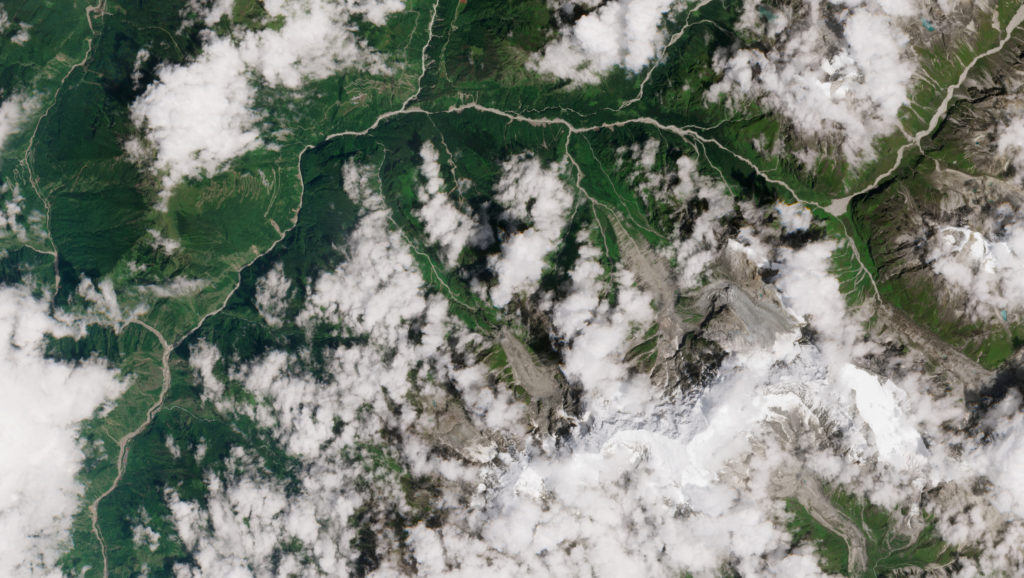
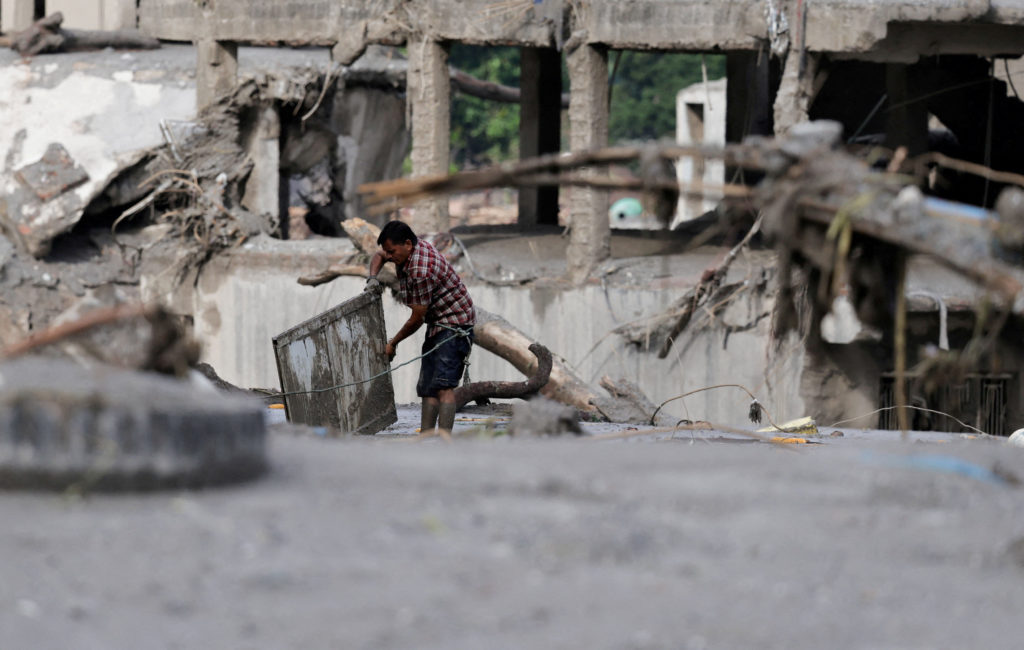
A devastating flash flood in Nepal on Wednesday, which claimed hundreds of lives and left many more missing, was likely triggered by a massive chunk of glacier breaking off and temporarily blocking a river. Preliminary scientific investigations suggest this damming effect led to a catastrophic surge of water downstream.
Scientists are actively analyzing satellite and ground-level data to determine the precise cause of the flood. The U.S. Geological Survey reported a magnitude 5.2 glacier collapse event, noting that debris flowed downstream with immense destructive power. Data from seismic stations and satellite imagery contributed to this determination.
A lower part of a glacier has really come off. If you look at the imagery it's like someone cut with a huge knife through the whole lower part and it fell off.
Jakob Steiner, a geoscientist at the University of Graz, described the event as if a "huge knife" had cut through the lower part of the glacier, causing it to fall. He likened the impact of such a large ice mass dropping from a great height to an exploding bomb, contributing to the ensuing chaos.
We have to be cautious and not draw a connection yet. However, rising temperatures are changing the Hindu Kush Himalaya region and melting glaciers.
While scientists caution against drawing an immediate, direct link between global warming and this specific catastrophe, they acknowledge that rising global temperatures, driven by human activities like burning fossil fuels, are increasing the likelihood of such disasters. The Hindu Kush Himalaya region is warming significantly faster than many other parts of the world, leading to melting glaciers.
Saswat Sanyal, a disaster risk reduction specialist, noted that rising temperatures are altering the region and accelerating glacier melt. The sudden rise in water levels, reportedly up to 9 meters (29.5 feet) in just 30 minutes due to the glacial detachment, gave residents little chance to escape. Researchers are also examining whether debris temporarily dammed the river, displacing water and picking up sediment and boulders to create the powerful surge that devastated communities.
It was a huge rise, a huge surge of water that happened suddenly.
About this summary
Originally published by PBS NewsHour in English. Translated, summarized, and contextualized automatically by DistantNews, with a note on how the source frames the story. Not individually reviewed before publishing. How this works.
More Stories


From Our Blog

How the Same Story Looks Different in Different Countries

What Gets Lost (and Found) When News Is Translated

The Critical Role of Diaspora Media in Global News

What Travellers Should Know About Countries with Restricted Press

A Digital Nomad's Guide to Following Local News
