


Nepal floods left an estimated 2.2 million tonnes of debris, UNDP says
Translated from English and summarized by DistantNews. Read the original for the full story.
At a glance
News
Named sources
Ongoing story
- A preliminary UNDP assessment estimates that floods and mudflows in Nepal’s Bhotekoshi-Trishuli river system left 2.2 million tonnes of debris.
- About 556,200 tonnes came from buildings, based on satellite assessments covering damage to 2,359 structures, and the figure could rise as more damage is identified.
- The disaster affected 84,270 people and halted 11 hydropower stations and one solar plant, disrupting electricity supplies and complicating recovery.
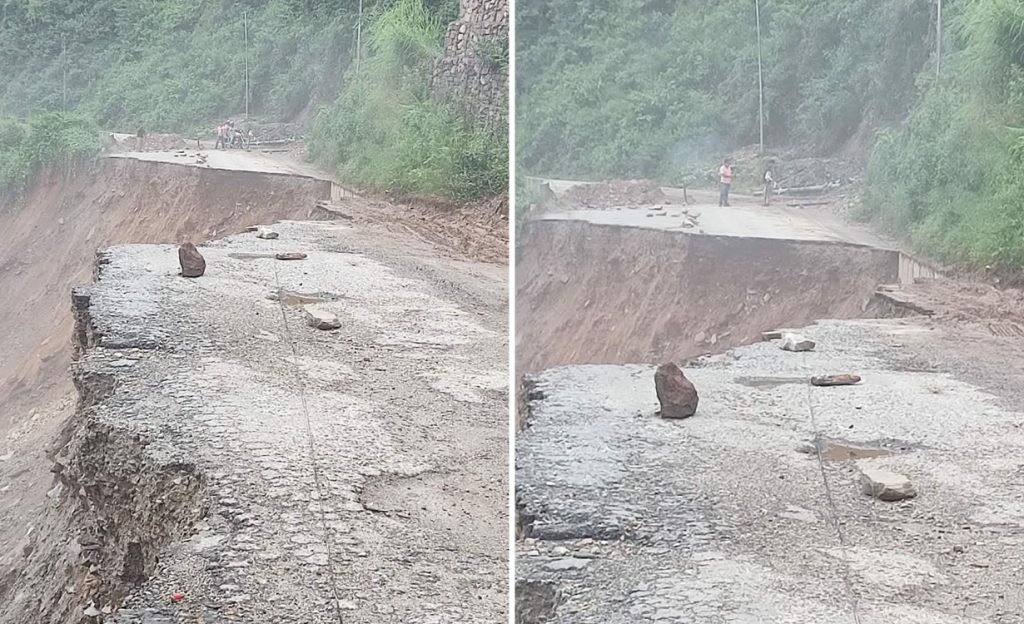
Nepal’s Bhotekoshi-Trishuli flood disaster left an estimated 2.2 million tonnes of debris across the areas assessed, according to a preliminary United Nations Development Programme evaluation. The material includes collapsed buildings, household belongings, vegetation, rocks and sediment.
Around 556,200 tonnes of the total came from building debris. UNDP based that estimate on satellite assessments showing damage to 2,359 buildings, while warning that the figure could increase as teams identify more destruction.
The flash flood, reportedly triggered by a glacial collapse on August 26, sent water, mud and rocks through settlements along the river corridor. More than 1,110 people have died and more than 4,000 have been reported missing, according to figures cited in the assessment. The debris has made rescue work difficult and dangerous because people may remain trapped beneath collapsed buildings and mud.
Government figures cited by UNDP show that 84,270 people in 17 municipalities across six districts were affected. About three-quarters were already living in areas facing greater difficulties with livelihoods, basic services and living conditions. Damage to energy infrastructure has added to the burden: 11 hydropower stations and one solar plant, with a combined capacity of 431.1 megawatts, stopped operating. Fifteen hydropower projects under construction, representing a planned 470 MW, were also damaged.
UNDP said it combined satellite-based building assessments from Copernicus EMS and SERTIT with other data and locally adapted engineering estimates. “The scale of destruction is immense,” UNDP Resident Representative in Nepal Kyoko Yokosuka said, calling for recovery efforts to reach the communities hit hardest by the disaster.
The scale of destruction is immense
About this summary
Originally published by Kathmandu Post in English. Translated, summarized, and contextualized automatically by DistantNews, with a note on how the source frames the story. Not individually reviewed before publishing. How this works.
More Stories

From Our Blog

What Gets Lost (and Found) When News Is Translated

The Critical Role of Diaspora Media in Global News

What Travellers Should Know About Countries with Restricted Press

A Digital Nomad's Guide to Following Local News

How the Same Story Looks Different in Different Countries
