


Nepal Glacier Collapse: Experts Question Predictability of Devastating Flood
Translated from Korean and summarized by DistantNews. Read the original for the full story.
At a glance
News
Named sources
Outcome reported
- A massive flood in Nepal and Tibet on January 26, caused by rock and glacial collapses, was extremely difficult to predict, according to experts.
- The disaster unleashed a torrent of water, mud, and rocks, overwhelming warning systems and leaving residents with insufficient time to evacuate.
- Experts point to structural limitations in Nepal's current warning systems, highlighting the speed of such events as a major challenge.
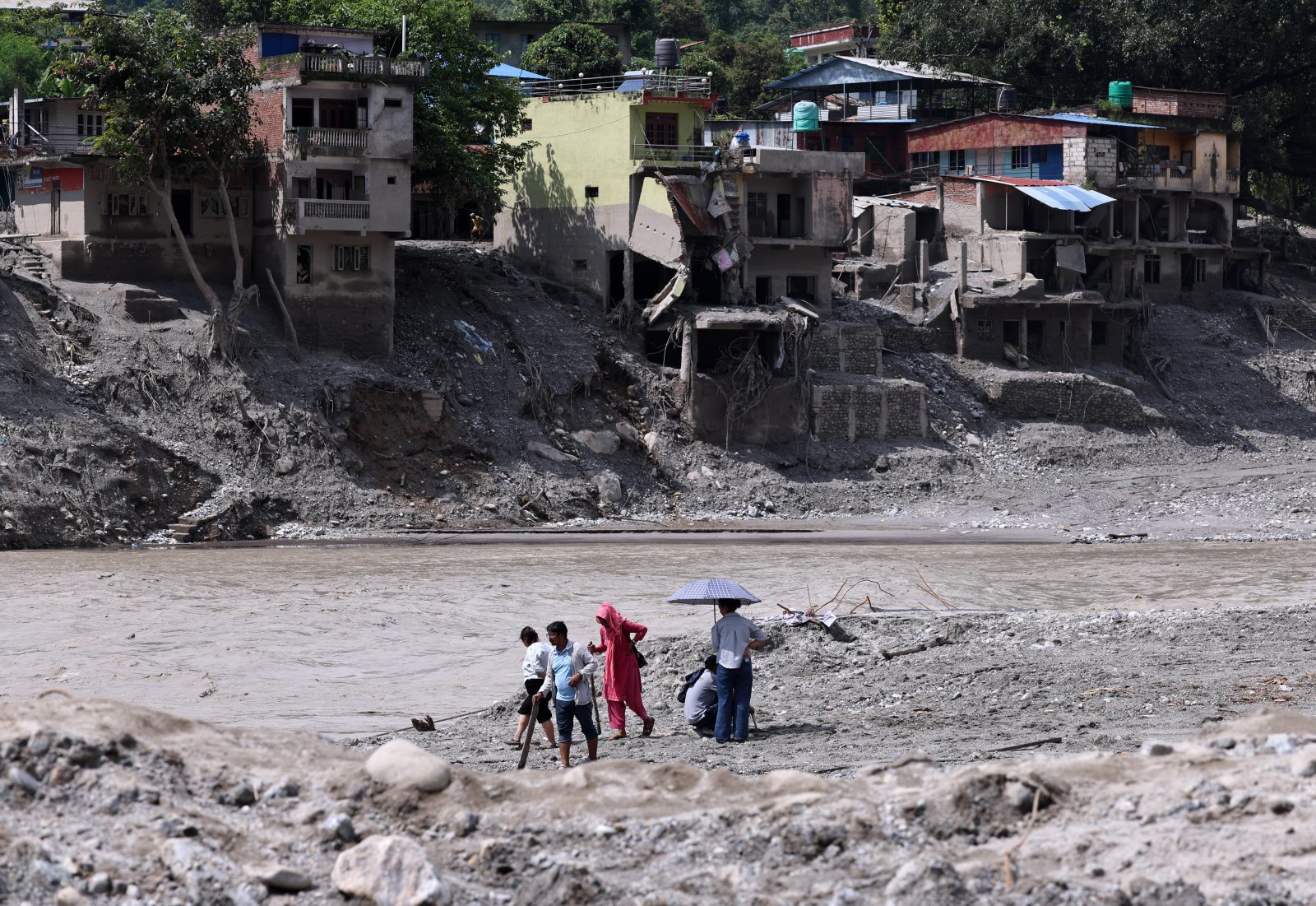
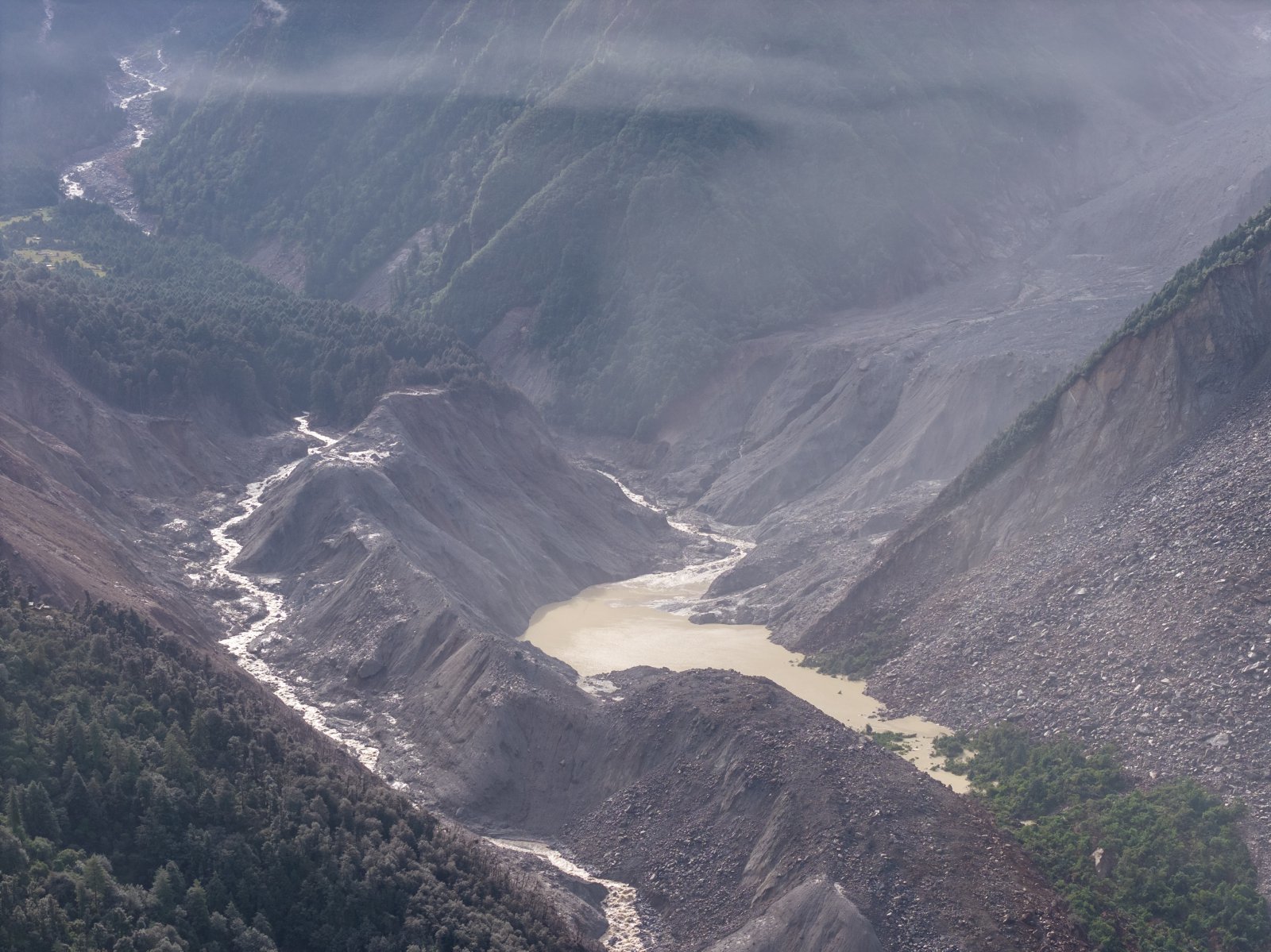
A devastating flood, triggered by a rare combination of rock avalanches and glacial collapses in high-altitude regions, ravaged parts of Nepal and Chinese-controlled Tibet on January 26. Experts have since stated that predicting such a catastrophic event was exceedingly difficult.
The disaster unleashed an immense volume of water, mud, and rocks into a river system, causing widespread destruction. Videos shared on social media depicted buildings being swept away in mere seconds by the fast-moving debris flow. While warning systems were in place in some affected villages, the sheer speed of the incoming torrent overwhelmed residents' ability to escape.
"Although the area was equipped with a warning system, the flood occurred so rapidly that residents did not have enough time to evacuate safely, even after the system was activated," said Sushil Kumar Shrestha, a technical officer at Nepal's National Disaster Management Authority. This sentiment highlights the critical challenge posed by the unpredictable velocity of such natural disasters.
Geologists cited by The New York Times explained that the confluence of high-altitude rockslides and glacial meltwater created a powerful, fast-moving slurry that overwhelmed the landscape. The rapid nature of the event, coupled with the limitations of existing warning infrastructure, underscores the vulnerability of communities in such geologically active and remote areas. The incident raises questions about the effectiveness of current disaster preparedness measures in the face of increasingly extreme weather and geological events.
Although the area was equipped with a warning system, the flood occurred so rapidly that residents did not have enough time to evacuate safely, even after the system was activated.
About this summary
Originally published by Dong-A Ilbo in Korean. Translated, summarized, and contextualized automatically by DistantNews, with a note on how the source frames the story. Not individually reviewed before publishing. How this works.
More Stories


From Our Blog

What Gets Lost (and Found) When News Is Translated

The Critical Role of Diaspora Media in Global News

What Travellers Should Know About Countries with Restricted Press

A Digital Nomad's Guide to Following Local News

How the Same Story Looks Different in Different Countries
