


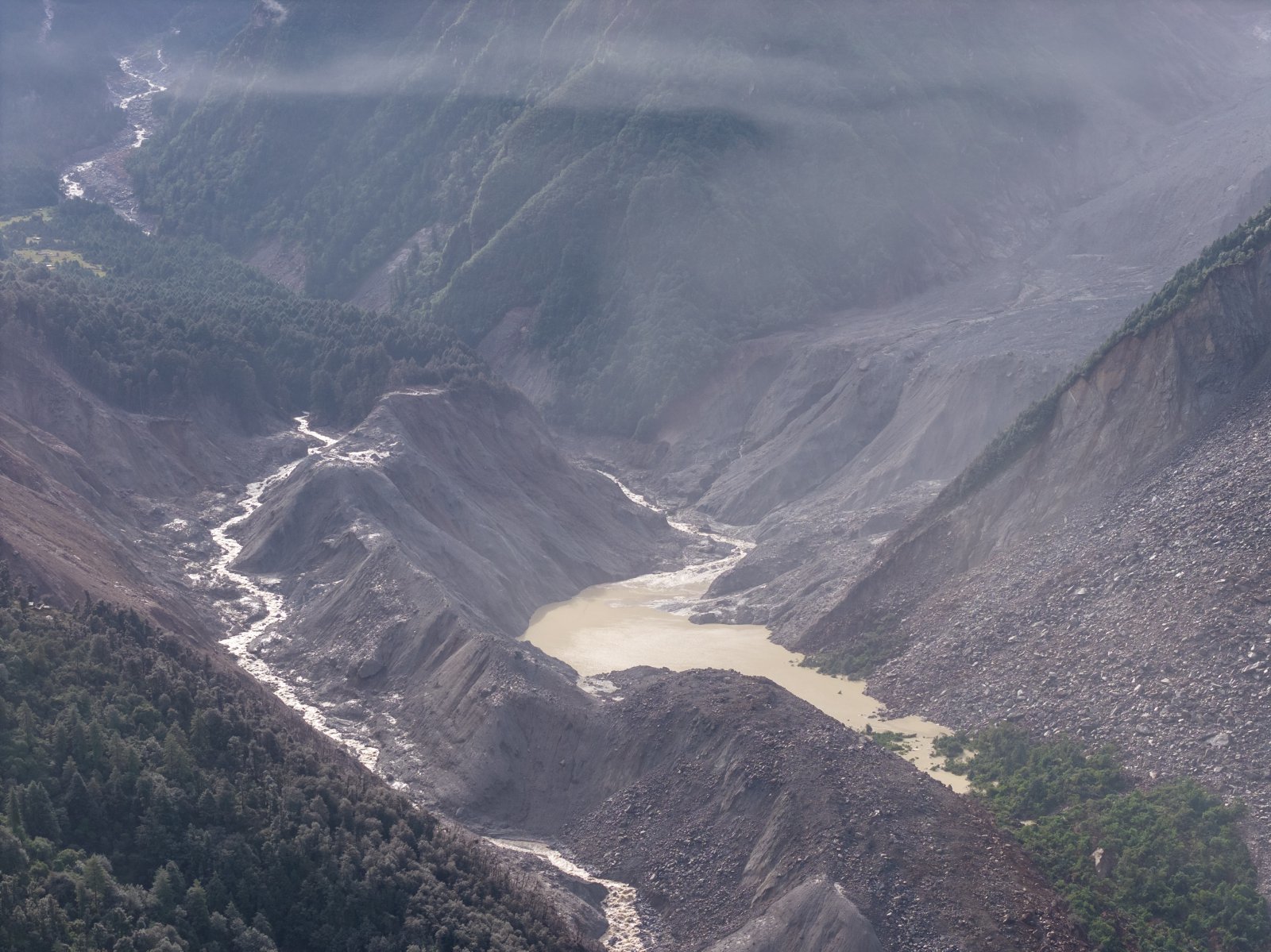
Asian mountain glaciers melting rapidly, covering area the size of South Korea
Translated from Korean and summarized by DistantNews. Read the original for the full story.
At a glance
News
Sources not specified
Context piece
- Asia's mountain ranges host approximately 95,000 glaciers, covering a total area similar to South Korea, according to climate scientists.
- These glaciers are losing mass at an alarming rate, with the volume of meltwater comparable to submerging New York City annually.
- A recent massive flood in Nepal's high mountain glacial region highlights concerns about climate change exacerbating disaster risks in high-altitude areas.
Tens of thousands of glaciers in Asia's mountain ranges, covering an area roughly equivalent to South Korea, are melting at an unprecedented rate, according to climate scientists. Dan McGrath, a professor of Earth Sciences at Colorado State University, stated that these glaciers are losing mass rapidly, with the annual meltwater volume capable of submerging New York City up to the top of the Empire State Building.
This analysis comes in the wake of a massive flood that occurred on August 26 in the high mountain glacial region bordering Nepal and China's Tibet Autonomous Region. The deluge of water, mud, and rocks swept through the Trishuli River area, destroying homes, roads, bridges, and power facilities. While the exact cause of this specific flood is still under investigation, experts point to climate change as a significant factor amplifying disaster risks in high-altitude regions.
There are about 95,000 glaciers in the Asian mountains. The area they all cover is almost the same as the area of South Korea.
Scientists explain that as global temperatures rise, the ice that acts as a natural adhesive on mountain slopes and glaciers becomes unstable. This destabilization increases the likelihood of landslides and glacial lake outburst floods (GLOFs). There are growing concerns that similar disasters could occur more frequently worldwide as global warming intensifies.
Nepal's own glacial regions are particularly vulnerable. Reports indicate that Nepal has 3,252 glaciers and 2,323 glacial lakes, with approximately 20 of these identified as potentially dangerous. The recent flood serves as a stark reminder of the fragility of these ecosystems and the urgent need to address the impacts of climate change on mountain environments and the communities that depend on them.
These glaciers are losing mass at a very fast rate. The water flowing from the glaciers is at a level that submerges (New York) up to the top of the Empire State Building every year.
About this summary
Originally published by Dong-A Ilbo in Korean. Translated, summarized, and contextualized automatically by DistantNews, with a note on how the source frames the story. Not individually reviewed before publishing. How this works.
More Stories

From Our Blog

What Gets Lost (and Found) When News Is Translated

The Critical Role of Diaspora Media in Global News

What Travellers Should Know About Countries with Restricted Press

A Digital Nomad's Guide to Following Local News

How the Same Story Looks Different in Different Countries
