


Nepal has 168 mosquito species as risk of vector-borne diseases continues to rise
Summarized and contextualized by DistantNews.
At a glance
News
Sources not specified
Context piece
- Nepal is home to 168 species of mosquitoes, increasing the risk of vector-borne diseases.
- World Mosquito Day was observed with programs raising awareness about mosquito-borne illnesses and prevention.
- Diseases like malaria, dengue, and chikungunya are concerns in the region.
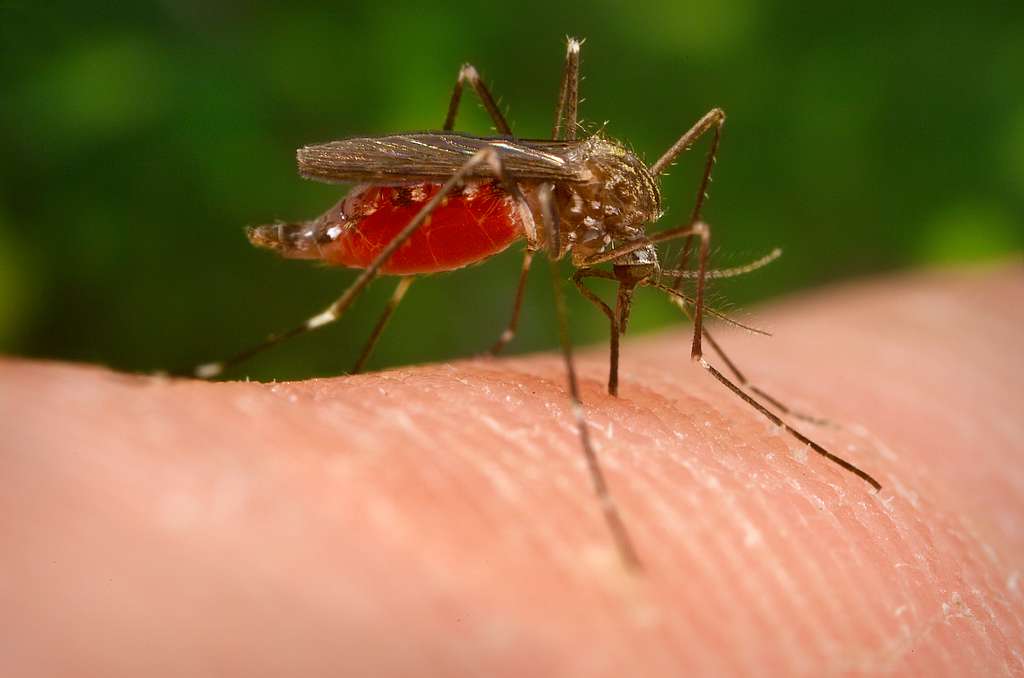
Nepal faces a growing threat from vector-borne diseases, exacerbated by the presence of 168 identified mosquito species within the country. The nation observed World Mosquito Day with various programs aimed at educating the public about the dangers posed by mosquito bites and effective prevention methods. The slogan for the day, "Small Bite, Big Challenge," underscores the significant public health implications of these insects.
The rise in vector-borne diseases presents a considerable challenge for Nepal's public health infrastructure. Mosquitoes are known carriers of numerous serious illnesses, including malaria, dengue fever, chikungunya, kala-azar, scrub typhus, and elephantiasis. Public awareness campaigns are crucial for informing communities about protective measures, such as using repellents, eliminating breeding sites, and seeking prompt medical attention if symptoms arise. The diversity of mosquito species in Nepal highlights the complexity of controlling disease transmission and the ongoing need for vigilance and preventative action.
DistantNews Editorial
Originally published by OnlineKhabar English. Summarized and contextualized by our editorial team with added local perspective. Read our editorial standards.
More Stories


From Our Blog

What Gets Lost (and Found) When News Is Translated

The Critical Role of Diaspora Media in Global News

What Travellers Should Know About Countries with Restricted Press

A Digital Nomad's Guide to Following Local News

How the Same Story Looks Different in Different Countries
