

Nepal Oil Corporation urges public not to stockpile LPG cylinders
Summarized and contextualized by DistantNews.
At a glance
News
Official statement
New plan
- Nepal Oil Corporation (NOC) urges consumers not to stockpile cooking gas cylinders as supply improves.
- The Kathmandu Valley is currently receiving more LPG cylinders than the average daily demand.
- Industry operators attribute the recent shortage to import declines and government measures, expecting normalization within a week.
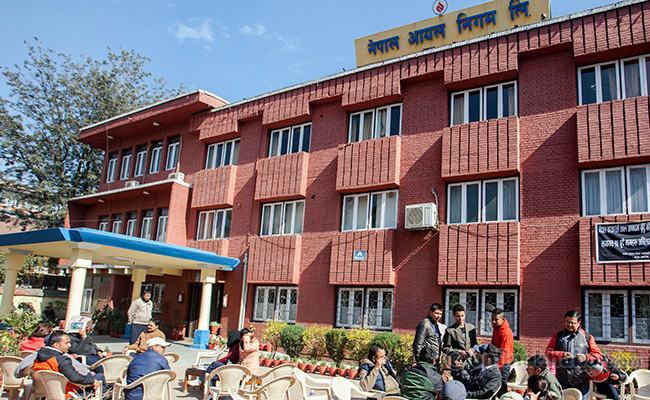
Nepal Oil Corporation (NOC) has issued an appeal to the public, advising against the unnecessary stockpiling of Liquefied Petroleum Gas (LPG) cylinders. The corporation stated that the market's supply situation is gradually improving and is expected to return to normal within the next few days.
According to NOC Director Binit Mani Upadhyay, the current supply of LPG cylinders in the Kathmandu Valley exceeds the average daily demand. He noted that while the valley typically requires 35,000 to 37,000 cylinders daily, the corporation is currently supplying an additional 5,000 to 8,000 cylinders on average. On Sunday, sales reached 52,576 cylinders, approximately 15,000 more than the daily average, and 47,388 cylinders were sold by 22 companies on Monday.
The average daily demand in Kathmandu Valley is 35,000 to 37,000 cylinders, but we are currently supplying an additional 5,000 to 8,000 cylinders on average.
Industry operators suggest that the recent gas shortage was not caused by supply chain issues but rather by a decline in imports during Falgun due to external factors. They also mentioned that the government's decision to allow the sale of partially filled cylinders to address the shortage is now having an effect, though the situation is expected to resolve soon. Krishnabhakta Shrestha, president of the LPG Gas Industry Association Nepal, confirmed that the situation has significantly improved since gas began being distributed through dealers on Monday, anticipating a full resolution within a week.
The NOC also provided data on national sales, which normally average around 110,000 cylinders daily. However, sales in Shrawan of the current fiscal year reached 57,315 metric tonnes (equivalent to over 4 million cylinders), a 29.3 percent increase compared to the previous year. Import figures for recent months also show fluctuations, with higher imports in Chaitra and Baisakh this year compared to last, although Jestha imports were slightly lower this year.
The situation has improved significantly since gas began being sold through dealers on Monday.
DistantNews Editorial
Originally published by OnlineKhabar English. Summarized and contextualized by our editorial team with added local perspective. Read our editorial standards.
More Stories

From Our Blog

What Gets Lost (and Found) When News Is Translated

The Critical Role of Diaspora Media in Global News

What Travellers Should Know About Countries with Restricted Press

A Digital Nomad's Guide to Following Local News

How the Same Story Looks Different in Different Countries
