



Nepal PM Balendra Shah urges world to confront climate-driven Himalayan disasters
Translated from English and summarized by DistantNews. Read the original for the full story.
At a glance
News
Named sources
Ongoing story
- Prime Minister Balendra Shah urged the international community to recognise the growing climate-related risks facing Nepal and the Himalayas after devastating floods along the Bhotekoshi river.
- Nepal Police said the flood death toll had reached 1,127, with bodies recovered in several districts and neighbouring India as rescue operations continued.
- Foreign Minister Shisir Khanal said Nepal would seek climate justice and compensation rather than treating post-disaster assistance solely as humanitarian aid or bilateral grants.
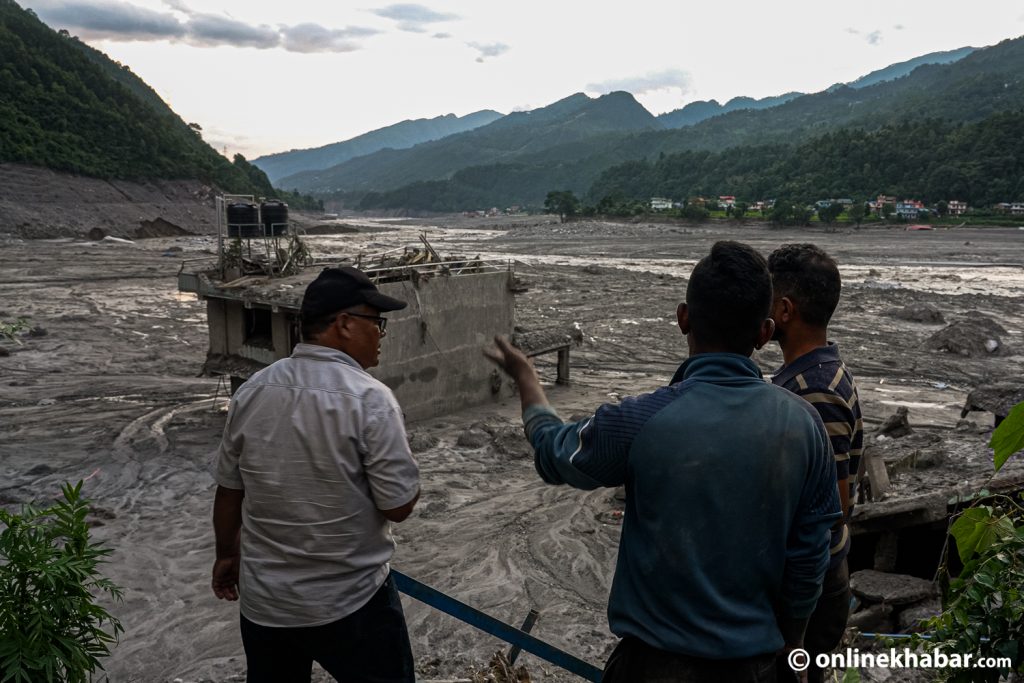
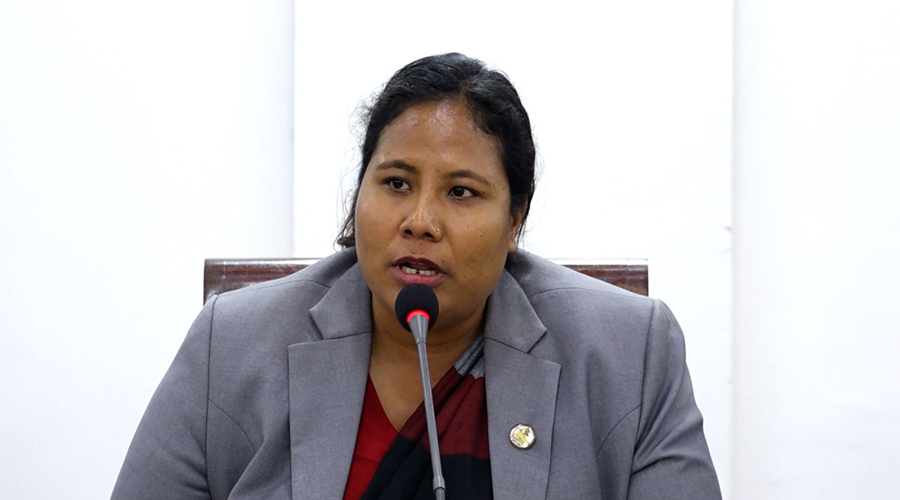
Prime Minister Balendra Shah says Nepal must make the mounting dangers facing the Himalayas impossible for the world to ignore. Speaking to the House of Representatives on Wednesday, he linked the country’s devastating Bhotekoshi floods to a wider climate warning.
“As we work around the clock to manage the damage from this sudden and massive disaster, another profound question has emerged: How did this disaster happen to us?” Shah said. He described the Bhotekoshi flood in Rasuwa as one of the region’s biggest disasters and said experts had attributed it to a collapse of ice and rock in the Himalayas followed by an avalanche.
As we work around the clock to manage the damage from this sudden and massive disaster, another profound question has emerged: How did this disaster happen to us?
Shah called the event a serious indication that risks in the Himalayan region are increasing with climate change. He said Nepal needed to present those risks to the international community with greater urgency, while stressing that managing climate impacts should be a shared international responsibility.
This incident is a serious indication that the risks we face in the Himalayan region are increasing along with climate change.
Rescue and recovery operations continued across flood-hit Rasuwa and neighbouring districts. The disaster swept through settlements and hydropower projects along the Bhotekoshi-Trishuli river system, leaving widespread destruction and thousands dead or missing. Nepal Police said Wednesday afternoon that the death toll had risen to 1,127, with bodies recovered from several districts and across the border in India.
The government is also seeking to turn the disaster into a broader diplomatic campaign. Foreign Minister Shisir Khanal said Nepal wanted international discussions to move beyond post-disaster humanitarian aid and bilateral grants toward climate justice and compensation. Nepal contributes negligibly to global greenhouse gas emissions, he said, yet faces severe consequences, including changes in the Himalayan environment and increasingly destructive disasters. The Finance Ministry has sent a formal compensation claim to international partners, and Kathmandu plans to raise the issue at international forums.
The mitigation and management of its impacts is understood to be a shared responsibility of the international community.
About this summary
Originally published by Kathmandu Post in English. Translated, summarized, and contextualized automatically by DistantNews, with a note on how the source frames the story. Not individually reviewed before publishing. How this works.
More Stories

From Our Blog

What Gets Lost (and Found) When News Is Translated

The Critical Role of Diaspora Media in Global News

What Travellers Should Know About Countries with Restricted Press

A Digital Nomad's Guide to Following Local News

How the Same Story Looks Different in Different Countries
