



Nepal Resumes Rescue Efforts Amid Rising Death Toll from Glacial Collapse
Translated from Korean and summarized by DistantNews. Read the original for the full story.
At a glance
News
Sources not specified
Ongoing story
- Rescue efforts have resumed in Nepal and China's Tibet region three days after a disaster involving glacial collapse, landslides, and floods.
- The confirmed death toll has risen to 547, with 977 people reported missing, including 517 foreigners from over 30 countries.
- The disaster has impacted approximately 93,000 people, destroying homes and leaving vast areas covered in mud.
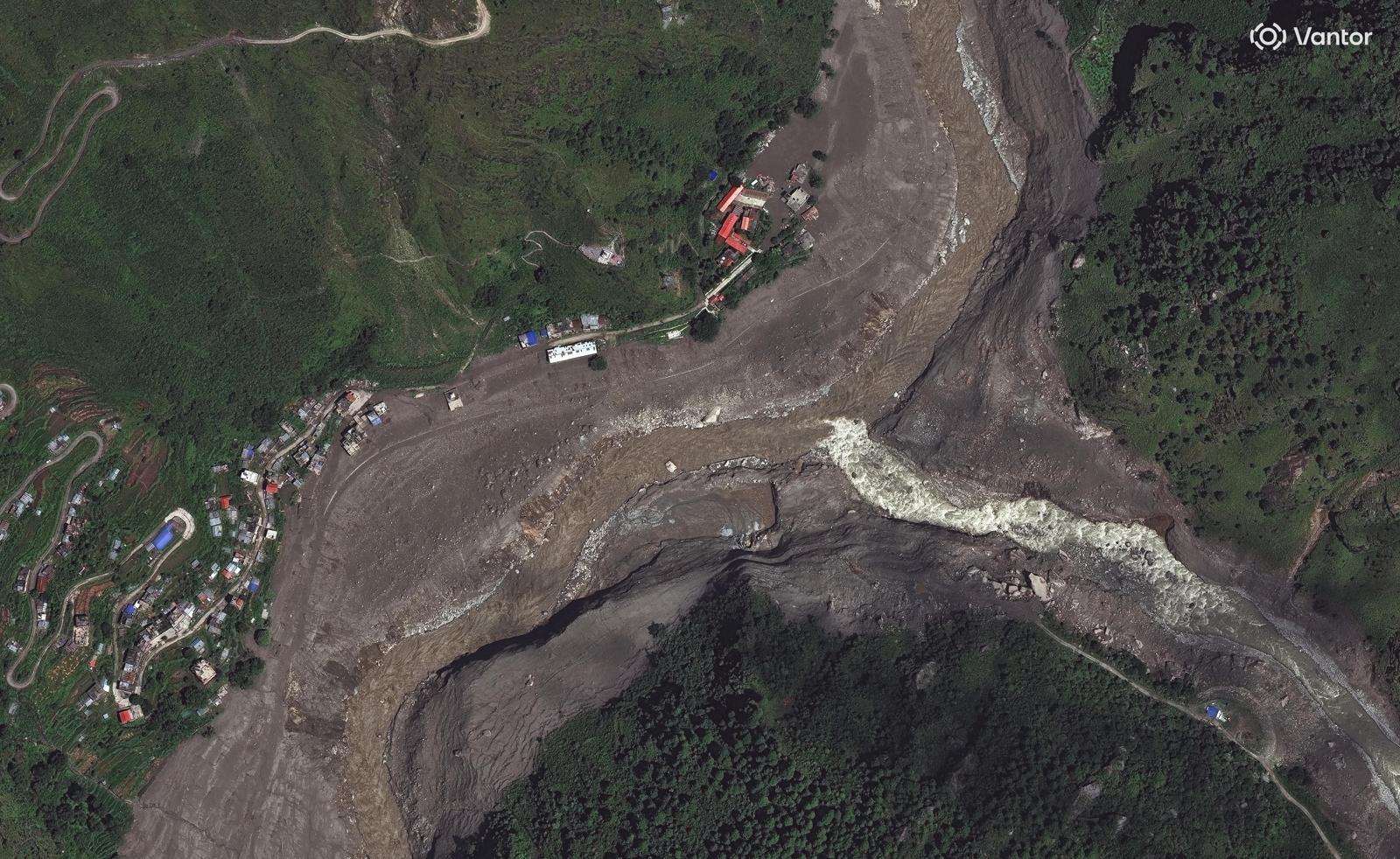
Rescue operations have recommenced in Nepal and China's Tibet region, three days after a catastrophic sequence of glacial collapse, landslides, and widespread flooding. The confirmed death toll has tragically climbed to 547, with authorities still searching for over 1,500 individuals whose whereabouts remain unknown.
Among the missing are 517 foreign nationals from more than 30 countries, including nine South Koreans, and 320 Indians. Chinese authorities reported two additional deaths in the Tibet Autonomous Region, bringing their total to five, with 558 people still unaccounted for. Ninety-six Indians stranded on the Chinese side have been moved to Nepal to await rescue.
Nepal's Prime Minister's office shared footage of ongoing rescue efforts, showing soldiers pulling people from mud-filled tunnels at a hydropower construction site in the Rasuwa region. These individuals were trapped when the floods hit. The search continues to determine how many more people might still be inside the submerged tunnels of the Trishuli 3A hydropower plant, where about 100 workers and residents are believed to be trapped.
Reports from the ground paint a grim picture. At a rescue center outside Nuwakot, hundreds queued to check survivor lists, desperately seeking news of loved ones. Grief was palpable at the Bidur military base's rescue center, where one woman wept inconsolably over the loss of her entire family, holding her infant child. Survivors recounted harrowing experiences, with one driver describing being swept away by the floodwaters and unsure how he survived.
Helicopters are making frequent trips, transporting dozens of injured victims to safety. The devastating floods have affected an estimated 93,000 people, leaving behind scenes of utter destruction where homes and lives have been swept away without a trace. The disaster zone, now covered in thick mud, faced its third night.
The search is continuing to confirm how many people are still trapped inside the tunnel.
About this summary
Originally published by Hankyoreh in Korean. Translated, summarized, and contextualized automatically by DistantNews, with a note on how the source frames the story. Not individually reviewed before publishing. How this works.
More Stories


From Our Blog

What Gets Lost (and Found) When News Is Translated

The Critical Role of Diaspora Media in Global News

What Travellers Should Know About Countries with Restricted Press

A Digital Nomad's Guide to Following Local News

How the Same Story Looks Different in Different Countries
