


Nepal's Flash Flood Exposes a Crisis of Communication
Translated from English and summarized by DistantNews. Read the original for the full story.
At a glance
Analysis
Sources not specified
Ongoing story
- A glacier collapse near the Nepal-Tibet border triggered a debris-filled flash flood that swept through villages and damaged roads, bridges, a border crossing and hydropower sites.
- Hundreds of people have been confirmed dead and thousands remain missing, including villagers, workers, pilgrims and tourists.
- Families have struggled to obtain reliable information because authorities used fragmented platforms, conflicting figures and unverified social media content.
The flood that tore through Nepal's Rasuwa district created a second emergency online: families searching for missing relatives could not find one dependable source of information.
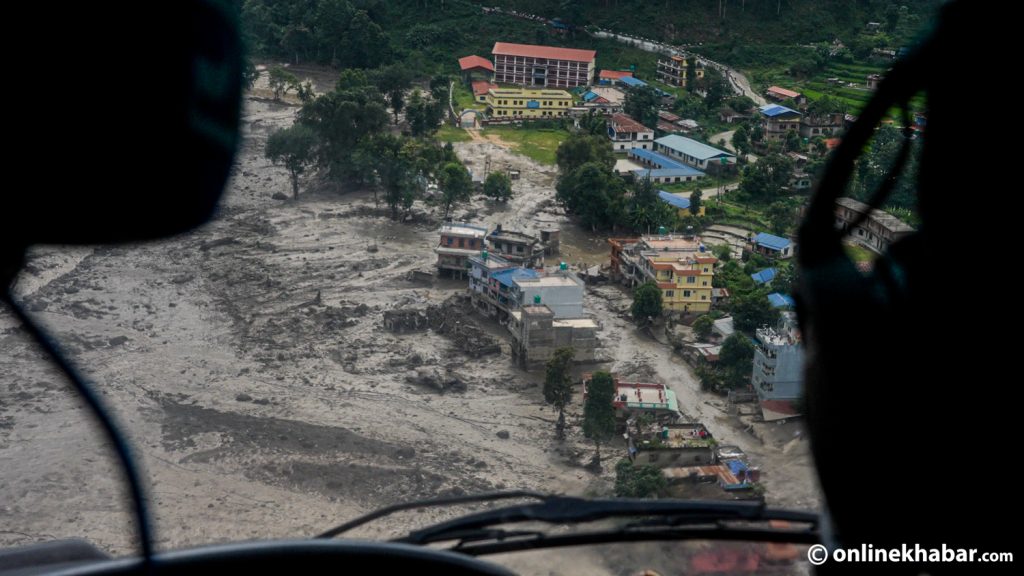
On August 26, a large section of glacier broke away from a mountain near the Nepal-Tibet border. Within minutes, sediment and debris surged into the Bhotekoshi River and then the Trishuli, engulfing people, animals and homes. Water levels reportedly rose by as much as nine metres in half an hour.
Villages including Timure and Syabrubesi were buried or swept away. Hundreds have been confirmed dead and thousands remain missing, among them villagers, workers, pilgrims and tourists. The Gyirong border crossing, bridges, roads and at least 13 hydropower sites reportedly suffered damage, leaving major infrastructure losses and drastic changes to the landscape.
Yet for families waiting more than four days for news, the devastation has been compounded by confusion. Information has circulated through newspapers, television, Instagram, X and Facebook, including videos, handwritten name lists and survivor accounts. But Nepal Police and the government have provided different accounts of those missing, rescued and dead. The National Disaster Risk Reduction and Management Authority eventually created a dedicated “Rasuwa Flood” tab, but only on the third day, after relying for days on a pop-up form.
The information gap has also allowed fabricated material to spread. Influencers circulated AI-generated videos as genuine flood scenes, while old footage from disasters in other countries was presented as current. Fraudulent QR codes appeared beside legitimate donation appeals. The resulting confusion can divert rescue efforts and deepen the distress of relatives scanning every image and list for a familiar face.
About this summary
Originally published by Kathmandu Post in English. Translated, summarized, and contextualized automatically by DistantNews, with a note on how the source frames the story. Not individually reviewed before publishing. How this works.
More Stories


From Our Blog

What Gets Lost (and Found) When News Is Translated

The Critical Role of Diaspora Media in Global News

What Travellers Should Know About Countries with Restricted Press

A Digital Nomad's Guide to Following Local News

How the Same Story Looks Different in Different Countries
