


Nepal’s flood response must put children at its centre
Summarized by DistantNews. Read the original for the full story.
At a glance
Opinion
Named sources
Ongoing story
- Flooding in Nepal has displaced communities, damaged homes, roads, bridges, schools and health facilities, and left people dead or missing.
- UNICEF estimates that at least 17,000 children have been affected, with the figure expected to change as access improves.
- The response should address child protection from the outset, including safe shelters, family tracing and protection from abuse, exploitation and neglect.
At least 17,000 children have been affected by Nepal’s recent floods, according to UNICEF’s initial assessment. That figure is expected to change as access improves, but each number represents a child who may have lost a home, a school, a caregiver or a sense of normality.
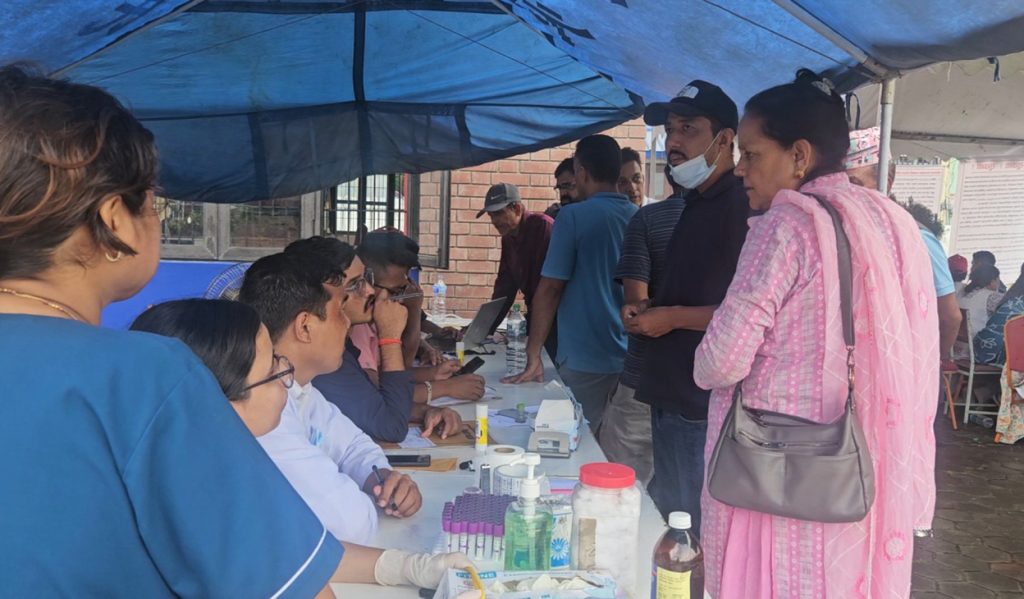
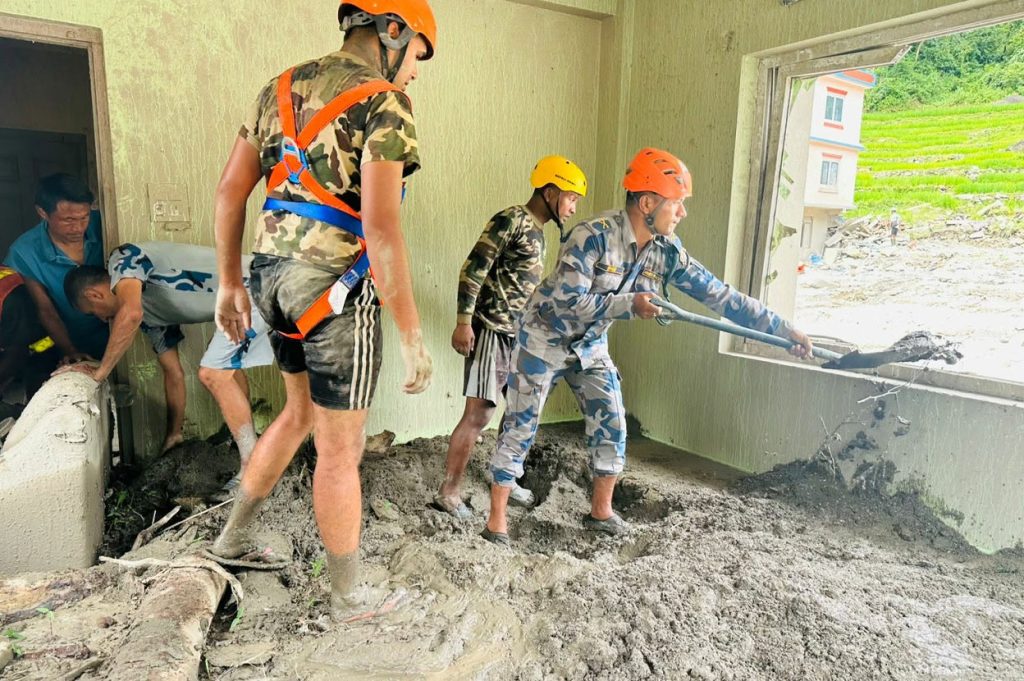
The flooding has destroyed homes, swept away roads and bridges, and damaged schools and health facilities. Families are searching for loved ones, while people have died and others remain missing. Children have been displaced, including those sheltering at a school in Uttargaya.
Emergency teams must rescue people, provide food and water, arrange shelter and treat the injured. But child protection cannot wait until those immediate needs have been met. Children separated from caregivers may be living in overcrowded shelters among strangers, and silence should not be mistaken for safety.
Flood emergencies can increase children’s exposure to violence, abuse, exploitation, trafficking, child labour and neglect. They can also leave children facing fear, grief and psychological distress after the water recedes. The response therefore needs to ask not only whether families have shelter, but whether girls and boys can sleep safely, use secure sanitation facilities, receive help if threatened, and obtain support when they have disabilities.
About this summary
Originally published by OnlineKhabar English. Summarized and contextualized automatically by DistantNews, with a note on how the source frames the story. Not individually reviewed before publishing. How this works.
More Stories

From Our Blog

News in Translation: What Gets Lost, and How We Keep the Framing

Diaspora Media: How Communities Abroad Follow Home

Traveling Where the Press Is Not Free: How to Read the News There

The Digital Nomad's Guide to Local News

The Same Story, Different Countries: How Coverage Changes at the Border
