


Nepal’s Gen Z uprising reshaped politics. A year later, its promises remain unfulfilled
Translated from English and summarized by DistantNews. Read the original for the full story.
At a glance
In-depth
Named sources
Context piece
- Nepal’s 2025 youth-led protests killed 76 people and injured 2,638 after demonstrations against corruption and the government’s social media ban escalated into violence.
- The uprising changed the country’s political leadership, but injured protesters and bereaved families say promised medical care, jobs and other support have not arrived.
- Protesters continue to demand an end to corruption, better governance and a state that responds to its citizens.
Rakesh Mahato has spent an entire year in a Kathmandu hospital, holding on to a modest goal: to stand, take a few steps and return home. The 25-year-old from Sarlahi was shot by police while protesting corruption on September 8, 2025.
Mahato is one of thousands injured in Nepal’s youth-led Gen Z uprising. The immediate spark was the KP Sharma Oli government’s ban on social media, but the protesters were challenging deeper grievances: systemic corruption and decades of power-sharing among a small circle of ageing politicians.
What began as a peaceful demonstration spiralled into deadly violence. As many as 76 people died and 2,638 were injured during the protests on September 8 and the violence that followed the next day. Public and private property was also destroyed. The spontaneous movement became a historic rupture for Nepal’s young democracy, turning the lives of thousands upside down.
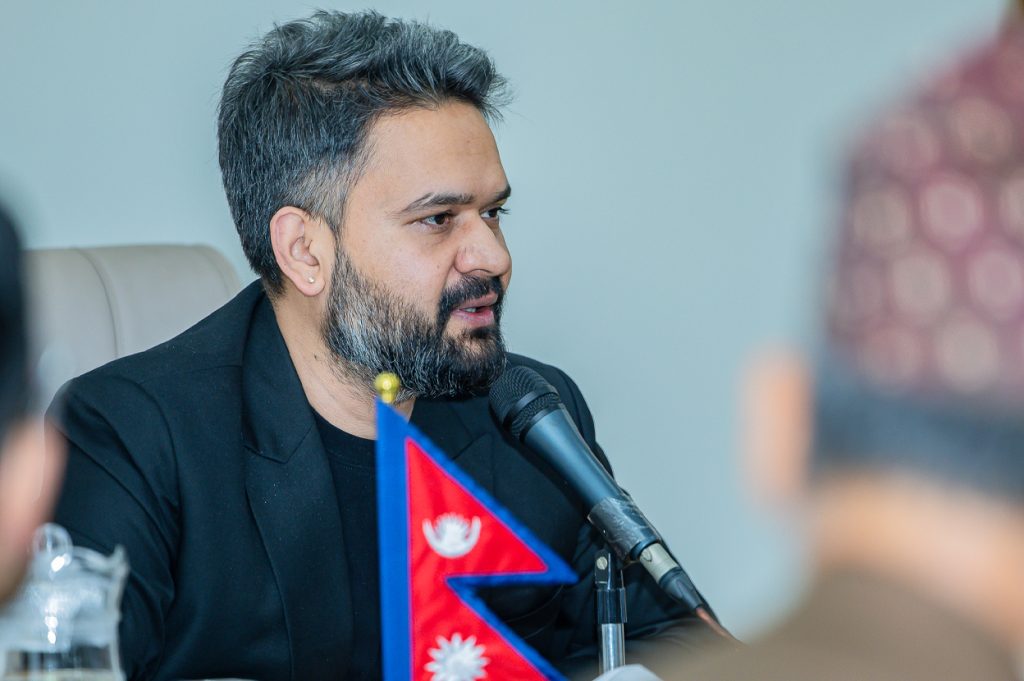
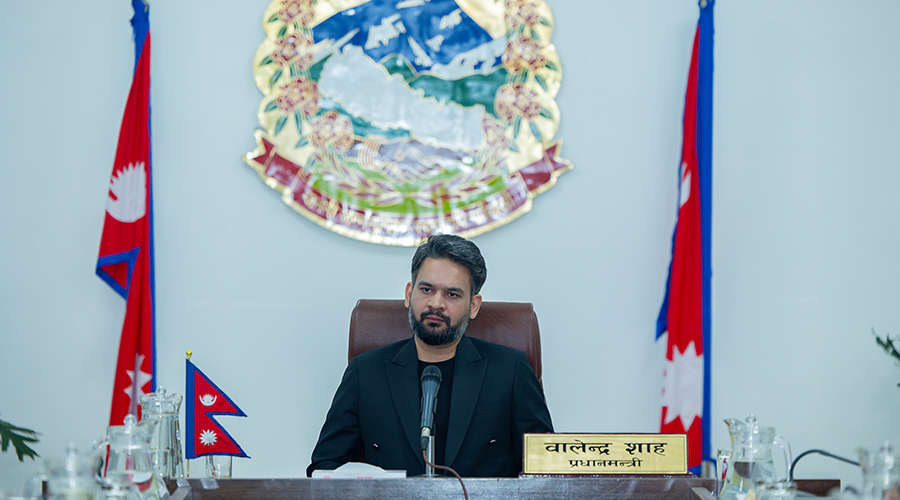
A year on, activists say the movement’s promises have yet to reach daily life. The faces inside Singha Durbar, Nepal’s administrative centre, have changed, and Shah, formerly Kathmandu’s mayor, became prime minister after the election. His party won nearly a two-thirds majority. But for those who bled in the streets, Mahato says, little has changed.
Kantipur spoke to nearly a dozen people affected by the protests. Their demands remained strikingly consistent: an end to corruption, better governance and a government accountable to its citizens. Mahato had come to Kathmandu from Sarlahi to study for a bachelor’s degree and prepare for Nepal’s civil service examinations. He wanted to support his struggling family and help educate his younger brother. Jobs were scarce and the economy was in freefall, reinforcing the disillusionment that led him and his brother to join the demonstrations.
The protest was peaceful until shortly after noon, when gunfire erupted. Mahato and others rushed to help fellow protester Dipendra Basnet after Basnet was shot in the head in front of Parliament. “That’s when police opened fire from behind,” Mahato recalled from his hospital bed. His account captures the unresolved distance between the uprising’s political impact and the lives of those who paid its price.
That’s when police opened fire from behind.
About this summary
Originally published by Kathmandu Post in English. Translated, summarized, and contextualized automatically by DistantNews, with a note on how the source frames the story. Not individually reviewed before publishing. How this works.
More Stories

From Our Blog

News in Translation: What Gets Lost, and How We Keep the Framing

Diaspora Media: How Communities Follow News From Home

Traveling Where the Press Is Not Free: How to Read the News There

The Digital Nomad's Guide to Local News

The Same Story, Different Countries: How Coverage Changes at the Border
