

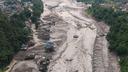

Nepal-Tibet border disaster: Over 900 missing after glacier flood, hundreds feared dead
Translated from Croatian and summarized by DistantNews. Read the original for the full story.
At a glance
News
Named sources
Ongoing story
- A flood caused by a glacier collapse on the Nepal-Tibet border has resulted in over 900 missing people and at least 350 deaths in Nepal.
- Hundreds of foreign tourists from countries including India, the U.S., and the UK are among the missing.
- Rescue efforts are ongoing as the death toll continues to rise hourly.
Rescue operations are underway on the border of Nepal and Tibet following a catastrophic flood triggered by a glacier collapse. The disaster has left over 900 people missing and claimed at least 350 lives in Nepal, with the death toll expected to rise.
The number of dead on the Nepal-Tibet border is rising by the hour.
The affected area is a popular pilgrimage route to Mount Kailash. Among the missing are hundreds of foreign tourists from various countries, including India, the United States, the United Kingdom, Italy, and Canada. Families of those missing are anxiously awaiting news, with some traveling from afar for pilgrimages that have turned tragic.
One family from Texas, the Ahujas, arrived in the region to celebrate a 60th birthday pilgrimage when the sudden floodwaters swept through. Their daughters are desperately hoping for their parents' safe return. Similarly, a travel agency from southern India organized a trip for 60 people, 34 of whom are now missing, including the tour guide and son of the agency owner.
Hundreds of tourists from India, the U.S., the United Kingdom, Italy, and Canada are also listed as missing on both sides of the border.
The scale of the disaster underscores the vulnerability of regions prone to glacial activity and the risks associated with high-altitude tourism. The ongoing search for survivors continues amidst challenging conditions, as the international community watches with concern.
We love them very much and just want them to come home.
About this summary
Originally published by Večernji List in Croatian. Translated, summarized, and contextualized automatically by DistantNews, with a note on how the source frames the story. Not individually reviewed before publishing. How this works.
More Stories



From Our Blog

What Gets Lost (and Found) When News Is Translated

The Critical Role of Diaspora Media in Global News

What Travellers Should Know About Countries with Restricted Press

A Digital Nomad's Guide to Following Local News

How the Same Story Looks Different in Different Countries
