


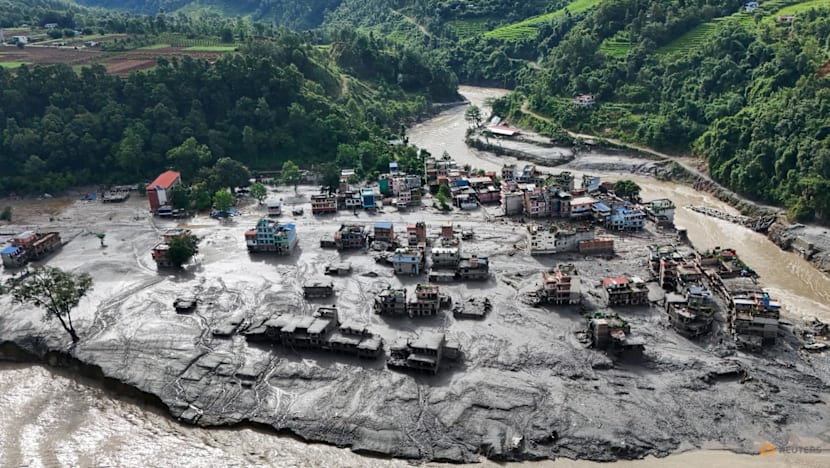
Nepal-Tibet disaster: Crisis strikes before communities recover from the last
Translated from English and summarized by DistantNews. Read the original for the full story.
At a glance
Analysis
Named sources
Context piece
- Nepal and Tibet face recurring disasters that strike before communities can fully recover.
- Researchers state that subsequent hazards encounter weakened infrastructure and reduced resilience.
- This cyclical vulnerability highlights the need for enhanced disaster preparedness and recovery systems in the region.
Communities in Nepal and Tibet are caught in a devastating cycle of disasters, with new crises striking before the last ones have been fully overcome. This recurring pattern leaves populations vulnerable and hinders long-term recovery efforts.
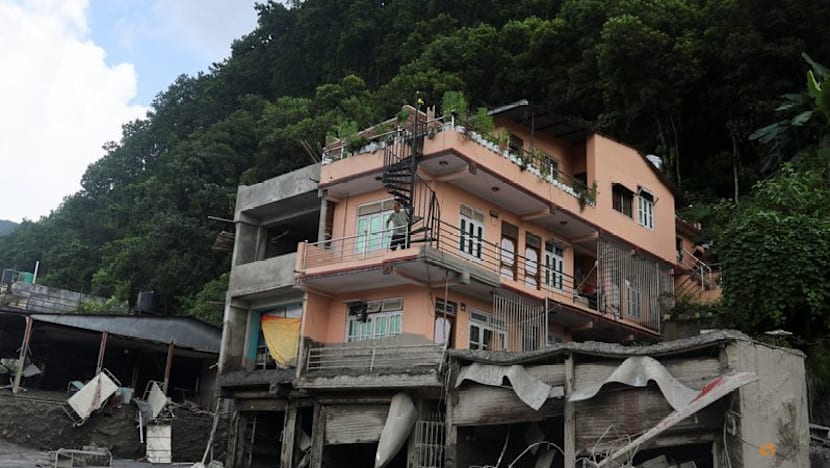
Two researchers highlight the critical issue: when a new hazard emerges, it finds a region with diminished resilience and weakened infrastructure. This means that systems, both natural and man-made, are less capable of withstanding the impact of subsequent events.
The constant state of recovery prevents communities from rebuilding stronger and more prepared for future threats. The cycle exacerbates existing challenges, making populations more susceptible to the devastating consequences of natural calamities.
This ongoing vulnerability underscores the urgent need for robust disaster preparedness strategies and more effective, sustained recovery mechanisms in the Nepal-Tibet region. Without addressing this cyclical nature of disaster impact, the region will continue to face severe setbacks.
If another hazard arrives before systems have recovered, it encounters a place with less resilience and a weakened infrastructure.
About this summary
Originally published by CNA in English. Translated, summarized, and contextualized automatically by DistantNews, with a note on how the source frames the story. Not individually reviewed before publishing. How this works.
More Stories


From Our Blog

What Gets Lost (and Found) When News Is Translated

The Critical Role of Diaspora Media in Global News

What Travellers Should Know About Countries with Restricted Press

A Digital Nomad's Guide to Following Local News

How the Same Story Looks Different in Different Countries
