

Nepal to Reinstall Early-Warning System After Deadly Floods
Translated from Vietnamese and summarized by DistantNews. Read the original for the full story.
At a glance
News
Named sources
Ongoing story
- Nepal plans to install cameras, seismic sensors and a VSAT satellite system at Timure, a border settlement in Rasuwa district.
- The system aims to detect landslide and flood risks even if mobile networks fail after terrain changes caused by the disaster.
- Authorities reported at least 1,204 deaths and 4,216 missing people in Nepal, while Chinese state media reported 21 deaths and 541 missing in Tibet.
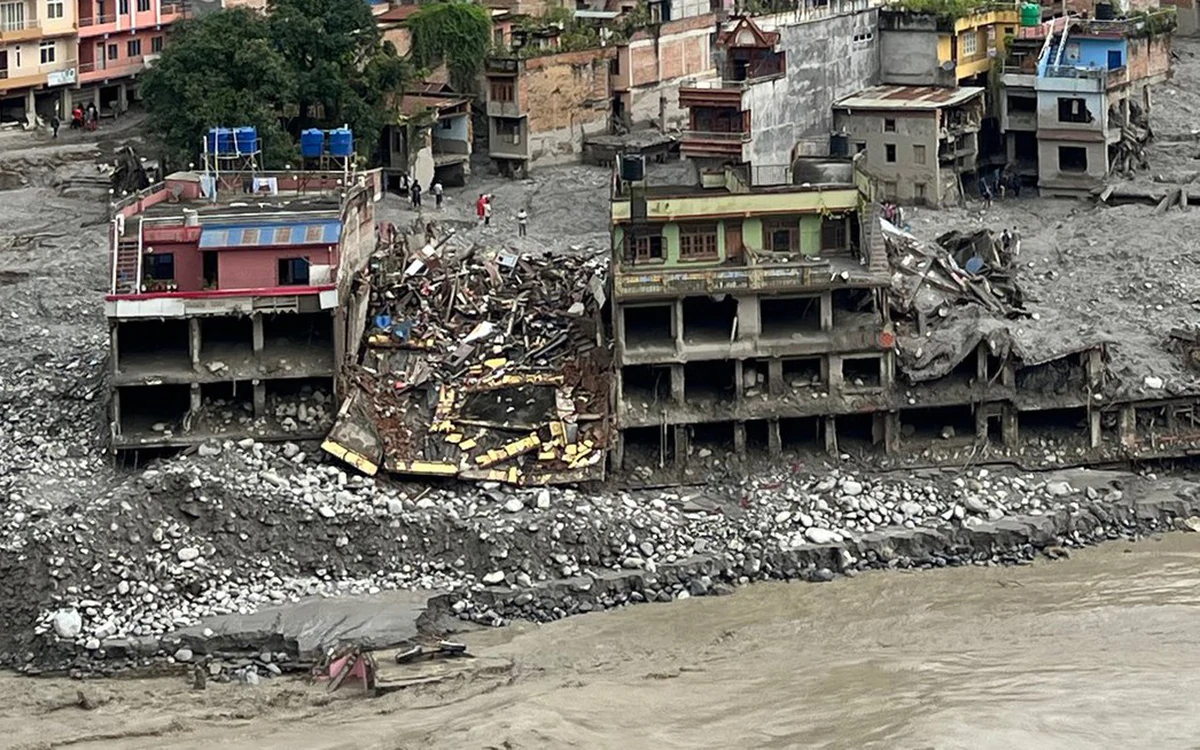
Nepal will rebuild an early-warning network near its border with China after floods killed at least 1,225 people across the two countries and left thousands missing.
The first equipment will go to Timure, a highland border settlement in Rasuwa district, one of the most sensitive areas along Nepal’s border with China’s Tibet Autonomous Region. Nepal’s National Disaster Risk Reduction and Management Authority plans to install cameras, seismic sensors and a VSAT satellite connection at one site before expanding the system elsewhere. Officials surveyed possible locations by helicopter.
The VSAT link is intended to keep monitoring stations connected even when mobile networks fail. The system could help authorities identify new hazards and issue warnings to downstream communities several minutes before floods occur. Officials said that brief warning could still help reduce losses.
A government source said the terrain had changed after the recent large-scale flash floods, creating the possibility of further landslides. China said it had shared images of affected areas, satellite and hydrological data, and early warnings about natural dams upstream.
As of the evening of Sept. 2, Nepal had recorded at least 1,204 deaths and 4,216 missing people. Chinese state media reported 21 deaths and 541 missing in Tibet, bringing the combined toll to 1,225 dead and 4,757 missing.
The terrain has changed after the recent large-scale flash floods, so further landslides may occur.
About this summary
Originally published by Tuổi Trẻ in Vietnamese. Translated, summarized, and contextualized automatically by DistantNews, with a note on how the source frames the story. Not individually reviewed before publishing. How this works.
More Stories
From Our Blog

What Gets Lost (and Found) When News Is Translated

The Critical Role of Diaspora Media in Global News

What Travellers Should Know About Countries with Restricted Press

A Digital Nomad's Guide to Following Local News

How the Same Story Looks Different in Different Countries
