


Nepal Tourism Faces Setback as Rasuwa Disaster Exposes Mountain Risks
Translated from English and summarized by DistantNews. Read the original for the full story.
At a glance
News
Sources not specified
Context piece
- A devastating flash flood in Nepal's Rasuwa region has shattered hopes for a strong tourism recovery, particularly impacting the Kailash Mansarovar pilgrimage route.
- The disaster has intensified concerns about climate change making Nepal's mountains increasingly dangerous, raising questions for the tourism-dependent economy.
- This event follows a series of setbacks for Nepal's tourism, including anti-corruption protests, floods, aviation accidents, the COVID-19 pandemic, and political unrest.
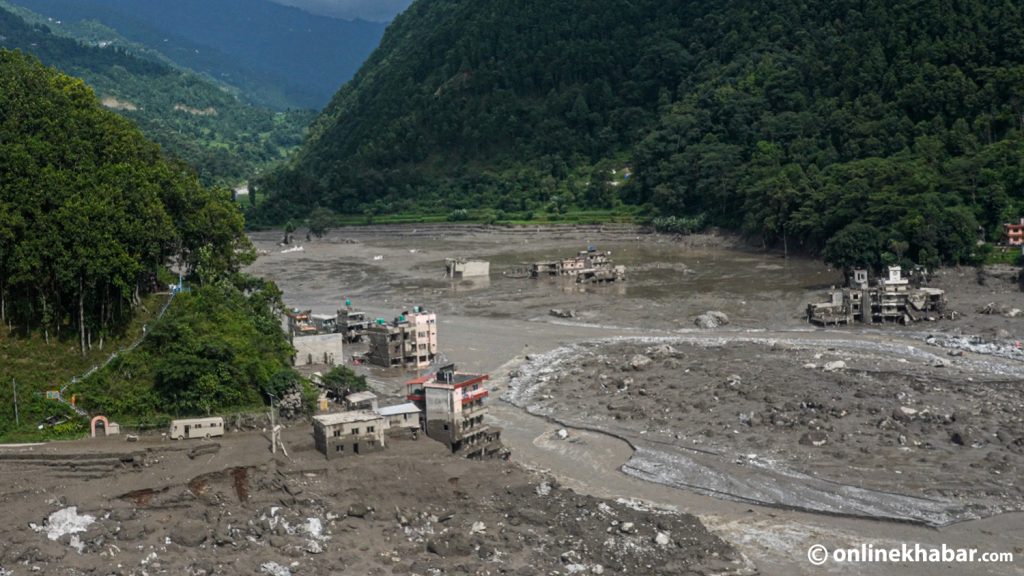
Nepal's tourism sector, a vital pillar of its economy, is once again facing significant challenges following a devastating flash flood in the Rasuwa district. The disaster struck during the peak season, dashing hopes for a robust recovery after years of disruptions.
The flood, which swept through the Rasuwagadhi-Timure area, a key gateway for pilgrims traveling to Tibet, has had a particularly severe impact on the lucrative Kailash Mansarovar pilgrimage market. This event raises critical questions about the safety of Nepal's mountainous terrain, especially in the context of a changing climate.
Experts are increasingly concerned that climate change is exacerbating risks in the Himalayas, leading to more frequent and intense natural disasters. Glacial lake outburst floods and other climate-induced hazards pose a growing threat to communities, infrastructure, and tourists. The Rasuwa disaster serves as a stark reminder of this vulnerability, highlighting the need for comprehensive risk assessment and mitigation strategies.
This latest blow comes after a series of setbacks that have plagued Nepal's tourism industry. The sector had barely begun to recover from the COVID-19 pandemic and political unrest when the Rasuwa flood occurred. Prior to that, catastrophic floods, major aviation accidents, and anti-corruption protests had already taken a heavy toll. The cumulative impact of these events underscores the fragility of Nepal's tourism-dependent economy and its susceptibility to both natural and man-made crises.
Our tourism practically depends on mountains. There is also risk associated there, which needs to be assessed properly to prevent future disasters.
About this summary
Originally published by Kathmandu Post in English. Translated, summarized, and contextualized automatically by DistantNews, with a note on how the source frames the story. Not individually reviewed before publishing. How this works.
More Stories

From Our Blog

What Gets Lost (and Found) When News Is Translated

The Critical Role of Diaspora Media in Global News

What Travellers Should Know About Countries with Restricted Press

A Digital Nomad's Guide to Following Local News

How the Same Story Looks Different in Different Countries
