


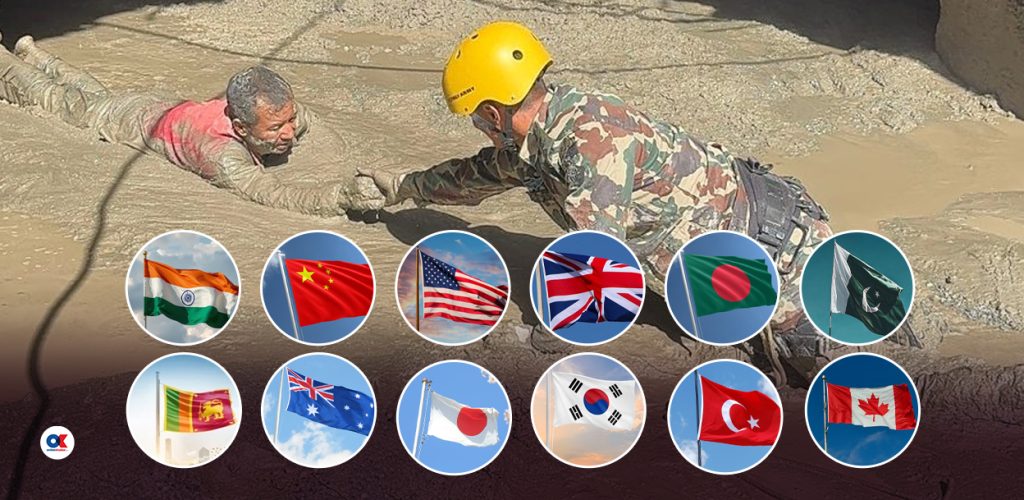
Nepal weighs foreign rescue offers as over 12 countries pledge aid for Rasuwa floods
Translated from English and summarized by DistantNews. Read the original for the full story.
At a glance
News
Named sources
Context piece
- Nepal is considering offers of emergency assistance from over 12 countries following severe floods in the Rasuwa region.
- The government is open to medical and financial aid but hesitant to accept foreign involvement in rescue operations due to geographical challenges and geopolitical concerns.
- Nepal's army believes its own forces are best equipped for the complex terrain and wants to avoid potential geopolitical complications from foreign rescue teams.
Nepal is carefully evaluating international offers of aid after devastating floods struck the Rasuwa region, leaving over a dozen countries seeking government permission to assist. Nations including India, China, the United States, the United Kingdom, Canada, Bangladesh, Pakistan, Sri Lanka, Australia, Turkey, South Korea, and Japan have pledged support, primarily in the form of rescue operations, medical aid, and financial assistance.
The Nepali government appears inclined to accept medical and financial aid but remains hesitant about involving foreign entities in direct rescue efforts. This cautious stance is influenced by the Nepali Army's assessment of the operational complexities and the government's geopolitical considerations, informed by past experiences.
It may not be very difficult for anyone to travel from Bidur to Betrawati, but reaching the areas from Syabrubesi to Rasuwagadhi, where more extensive rescue operations are needed, is another matter. Instead, we may end up having to manage them. Our time could be spent coordinating with teams that are supposed to be working independently. That could also affect the rescue operations already underway.
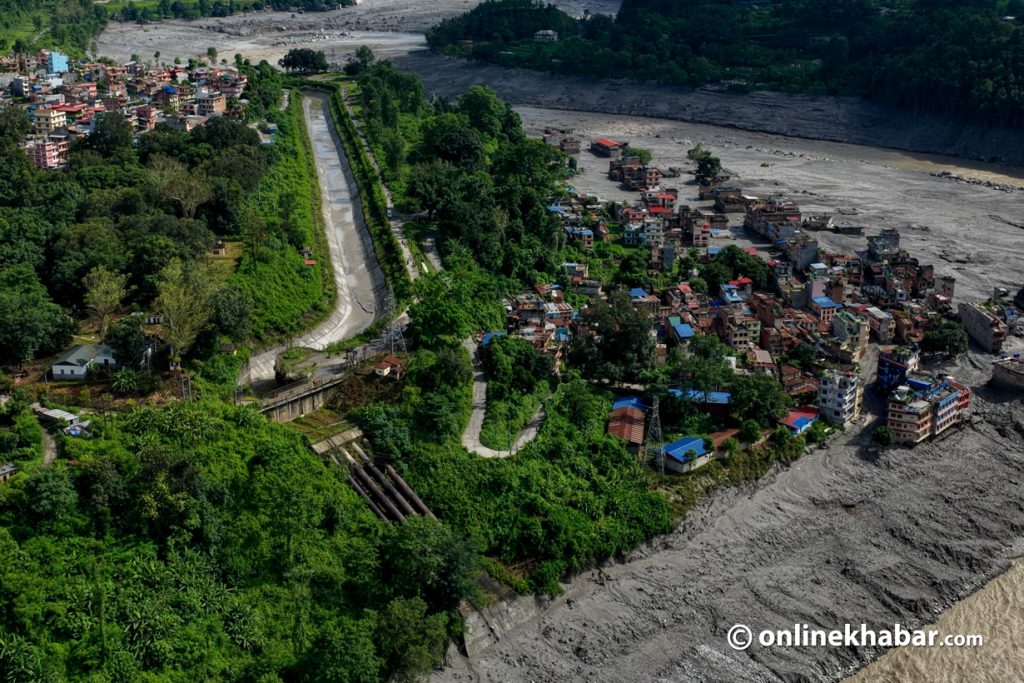
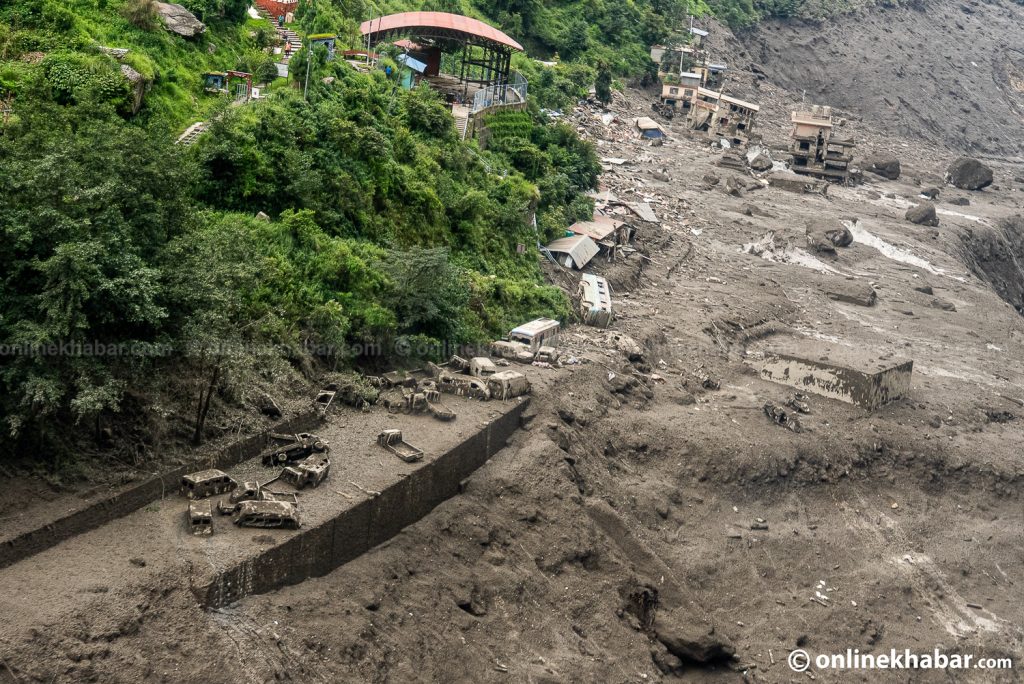
Sources within the government indicate a preference for relying on domestic capabilities for several reasons. Firstly, the nature of the disaster, involving landslides and floods in a mountainous area near the Chinese border, requires specialized operations in deep gorges and narrow valleys. The Nepali Army, Armed Police Force, and Nepal Police are seen as possessing the essential geographical knowledge and expertise for such challenging environments.
Secondly, officials cite concerns stemming from previous disaster assistance missions where some foreign participants allegedly exhibited geopolitical interests. There are worries that such missions could extend beyond their humanitarian mandate, as exemplified by an incident following the April 2015 earthquake where foreign entities reportedly sought to control airport security towers. A senior army official noted that navigating the specific terrain from Syabrubesi to Rasuwagadhi, crucial for extensive rescue operations, is difficult and may require managing foreign teams, potentially disrupting ongoing efforts. The official also highlighted the challenges of helicopter operations in narrow gorges and the lack of suitable landing areas for larger aircraft, suggesting that countries reliant on such helicopters might not be adequately prepared for the conditions.
Our time could be spent coordinating with teams that are supposed to be working independently. That could also affect the rescue operations already underway.
About this summary
Originally published by OnlineKhabar English in English. Translated, summarized, and contextualized automatically by DistantNews, with a note on how the source frames the story. Not individually reviewed before publishing. How this works.
More Stories

From Our Blog

What Gets Lost (and Found) When News Is Translated

The Critical Role of Diaspora Media in Global News

What Travellers Should Know About Countries with Restricted Press

A Digital Nomad's Guide to Following Local News

How the Same Story Looks Different in Different Countries
