


Nepal women complete 2–0 clean sweep over Malaysia
Summarized by DistantNews. Read the original for the full story.
At a glance
News
Named sources
Context piece
- Nepal's women's cricket team secured a seven-wicket victory over Malaysia in the second Twenty20 International.
- Nepal successfully chased a target of 83 in 16 overs, with Samanjhana Khadka scoring an unbeaten 39.
- Both teams are using the series as preparation for upcoming Asian Games qualifying matches and the ACC Premier Cup.
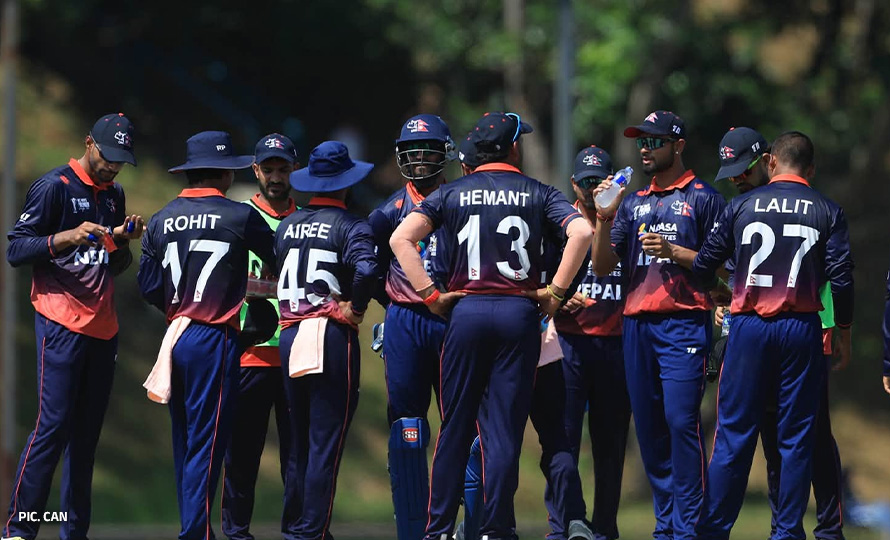
Nepal's women's cricket team has demonstrated its growing prowess by completing a decisive 2-0 series sweep against Malaysia. This commanding performance, capped by a seven-wicket win in the second T20I, underscores the team's readiness for more significant challenges ahead.
For the first time in 30 years living in Bamako, I’ll be celebrating Eid here this year.
Opening batters led the charge in chasing down Malaysia's modest total of 82, with Samanjhana Khadka's unbeaten 39 proving instrumental. Her steady innings, supported by Kavita Kunwar's 19 not out, ensured Nepal reached the target with ease, highlighting the team's batting depth and composure under pressure.
Not only do we lack diesel to keep running, but we’ve also lost buses in recent incidents. It’s a huge economic blow.
The bowlers also played a crucial role, with Kavita Kunwar, Riya Sharma, and Rubina Chhetry each taking two wickets to restrict Malaysia. This balanced team effort, from bowling to batting, reflects the dedicated preparation and strategic planning that has gone into their recent training.
Normally, we could transport more than 50,000 people from Bamako to other regions in a week for Tabaski. This year, we’re not planning any trips.
This series victory is not just a win but a vital confidence booster as Nepal gears up for the upcoming Asian Games qualifiers and the ACC Premier Cup. The team's performance signals their ambition to compete at higher levels and make a mark on the international stage.
It will be the first time in 30 years I won’t celebrate in my village. The road is too dangerous.
About this summary
Originally published by Kathmandu Post. Summarized and contextualized automatically by DistantNews, with a note on how the source frames the story. Not individually reviewed before publishing. How this works.
More Stories


From Our Blog

News in Translation: What Gets Lost, and How We Keep the Framing

Diaspora Media: How Communities Abroad Follow Home

Traveling Where the Press Is Not Free: How to Read the News There

The Digital Nomad's Guide to Local News

The Same Story, Different Countries: How Coverage Changes at the Border
