

Netanyahu: Israeli army to remain in southern Lebanon "as long as necessary"
Translated from Greek, summarized and contextualized by DistantNews.
At a glance
News
Named sources
Context piece
- Israeli Prime Minister Benjamin Netanyahu stated the army will remain in southern Lebanon for "as long as necessary."
- He reiterated his commitment to preventing Iran from acquiring nuclear weapons, regardless of diplomatic developments.
- The remarks were made during a ceremony commemorating his brother, who died in battle.
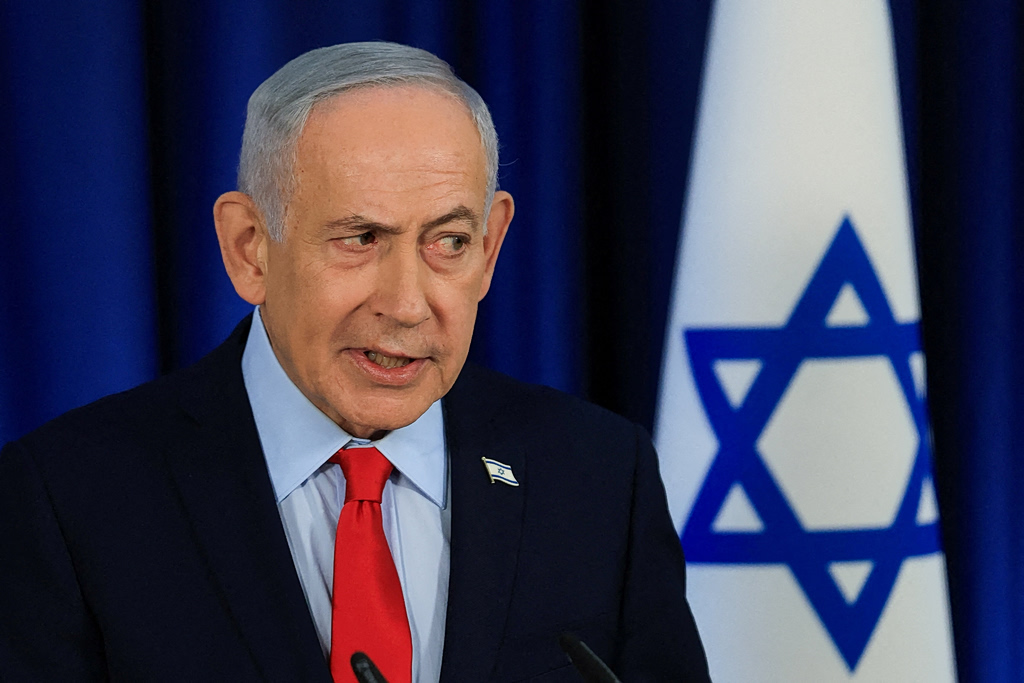
Israeli Prime Minister Benjamin Netanyahu declared that the Israeli army will maintain its presence in southern Lebanon for "as long as it takes." This statement comes amidst ongoing negotiations between Iran and the United States in Switzerland aimed at ending the regional conflict. Netanyahu emphasized that the prolonged military presence is crucial for protecting residents of northern Israel and all citizens of the state.
Speaking at a memorial ceremony for his brother, who was killed in combat in 1976, Netanyahu also reaffirmed his unwavering stance against Iran obtaining nuclear weapons. "Whatever diplomatic developments occur, I will not allow Iran to acquire a nuclear weapon. As long as I am Prime Minister of Israel, this will not happen," he asserted.
We will remain in the security zone of southern Lebanon for as long as necessary, in order to protect the residents of northern (Israel) whom we care about, as well as all citizens of the state.
Netanyahu's comments underscore Israel's security concerns regarding its northern border and its broader regional policy, particularly concerning Iran's nuclear ambitions. The prime minister's resolve highlights a determination to prioritize national security interests, even as diplomatic efforts continue elsewhere.
Whatever diplomatic developments occur, I will not allow Iran to acquire a nuclear weapon. As long as I am Prime Minister of Israel, this will not happen.
DistantNews Editorial
Originally published by Ta Nea in Greek. Translated, summarized, and contextualized by our editorial team with added local perspective. Read our editorial standards.
More Stories


From Our Blog

What Gets Lost (and Found) When News Is Translated

The Critical Role of Diaspora Media in Global News

What Travellers Should Know About Countries with Restricted Press

A Digital Nomad's Guide to Following Local News

How the Same Story Looks Different in Different Countries
