


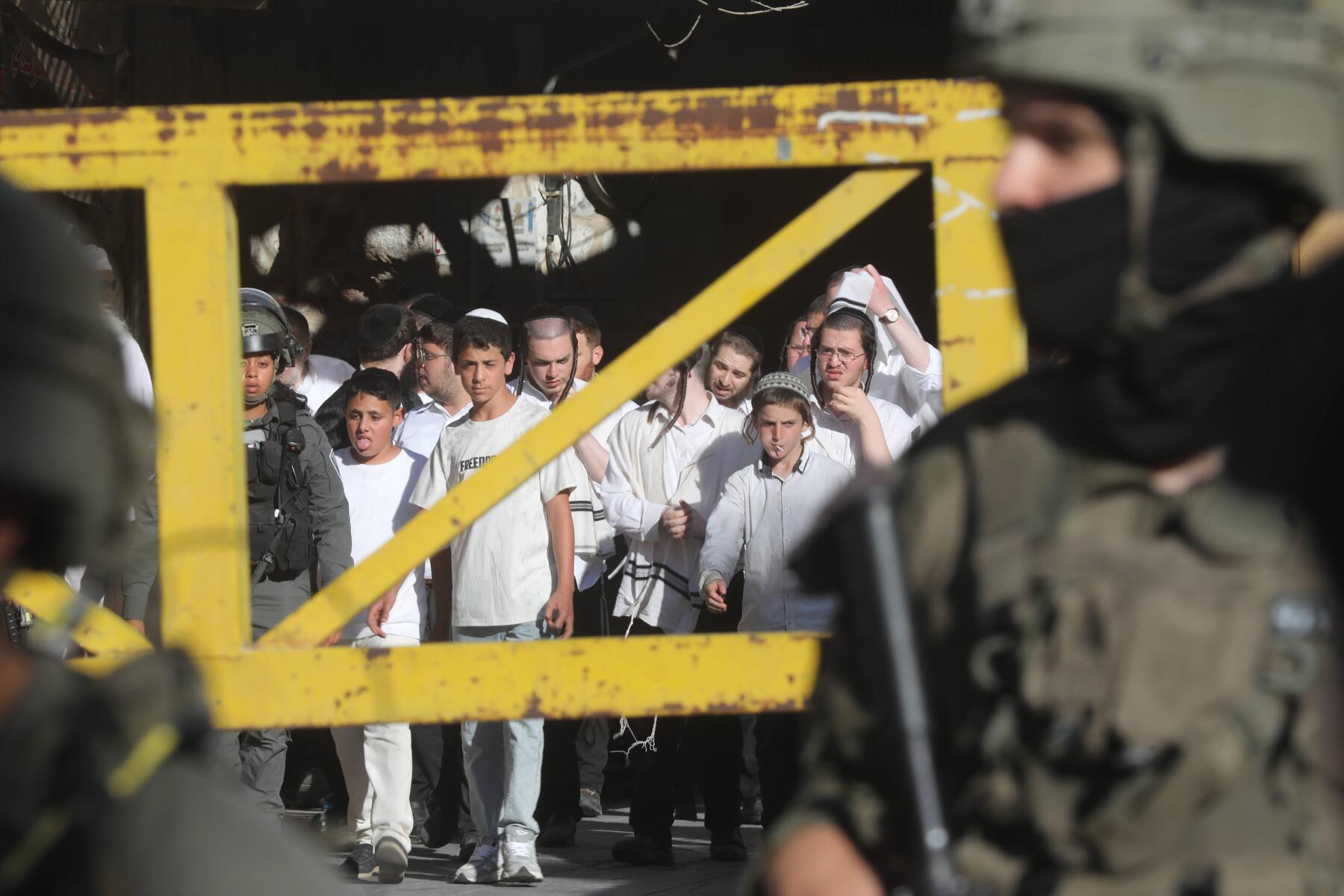
Netanyahu lets radical settlers run free
Translated from German, summarized and contextualized by DistantNews.
At a glance
News
Sources not specified
Context piece
- Israeli Prime Minister Benjamin Netanyahu has allowed far-right ministers to advance plans for new settlements in the occupied West Bank.
- Around 700,000 Israeli settlers now live in the territory, with plans for about 100 new settlements approved.
- Netanyahu relies on his ultra-right coalition partners for support, despite international criticism and U.S. sanctions against settlement leaders.
In the West Bank hills near Nablus, children and adults in the Palestinian village of Burin gathered for their annual kite festival, a tradition since 2009. This year, the colorful kites flying the Palestinian national colors also served as a political statement against the encroaching Jewish settlement of Har Bracha, which has grown to thousands of residents over 40 years.
"We want to tell the settlers that this is our land and this is our sky," said Ghassan Najar, an organizer, to AFP. "Even if we can no longer access this land – our kites can."
Amid ongoing conflicts in Gaza, Iran, and Lebanon, Israel has expanded its control in the West Bank, accelerating settlement construction in the occupied Palestinian territory. The number of settlers has surged to approximately 700,000, a figure that includes those in Judea and Samaria, as the National-Religious factions within Prime Minister Benjamin Netanyahu's government refer to the area.
Influenced by far-right ministers Bezalel Smotrich and Itamar Ben-Gvir, the government has approved the construction of about 100 new settlements and allocated over $338 million. The settler movement has become a potent political force, courted by all parties. Netanyahu, dependent on his ultra-right coalition partners, has largely permitted their agenda despite international appeals and warnings, including U.S. sanctions against settlement leaders. His government's actions have drawn criticism from allies like the Biden administration.
Jerusalem's parliament is set to dissolve itself this week, with elections likely on October 27. Netanyahu faces a challenging campaign to remain in office, currently trailing a fragmented opposition. He has rarely addressed settler violence, and when he has, it has been half-hearted and without consequences. His political standing is weakened by ongoing wars and a corruption trial, alongside international scrutiny of his policies.
We want to tell the settlers that this is our land and this is our sky. Even if we can no longer access this land – our kites can.
DistantNews Editorial
Originally published by Die Presse in German. Translated, summarized, and contextualized by our editorial team with added local perspective. Read our editorial standards.
More Stories



From Our Blog

What Gets Lost (and Found) When News Is Translated

The Critical Role of Diaspora Media in Global News

What Travellers Should Know About Countries with Restricted Press

A Digital Nomad's Guide to Following Local News

How the Same Story Looks Different in Different Countries
