


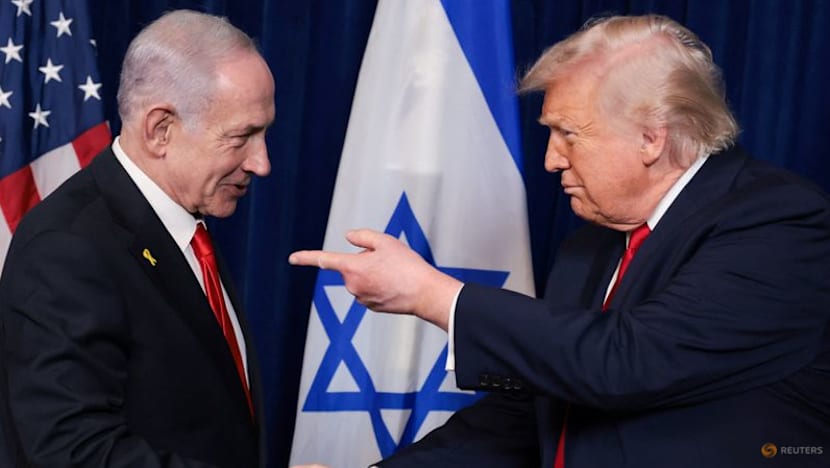
Netanyahu rejects Gaza plan, diverging from Trump
Translated from English, summarized and contextualized by DistantNews.
At a glance
News
Named sources
New plan
- Israeli Prime Minister Benjamin Netanyahu rejected a US-backed Gaza plan endorsed by Hamas, signaling a rift with President Donald Trump.
- Netanyahu stated Israel will not withdraw until Hamas is disarmed and will continue to counter threats, despite US pressure.
- The rejection comes amid tight Israeli elections and internal pressure from Netanyahu's right-wing base, with Hamas urging US mediators to push Israel.
Israeli Prime Minister Benjamin Netanyahu has explicitly rejected a United States-led Gaza plan that Hamas had endorsed, creating a new point of divergence with US President Donald Trump. The announcement came Sunday as Netanyahu faces a challenging election on October 27.
Israel rejects the 15-point document.
"Israel rejects the 15-point document," Netanyahu declared at a Cabinet meeting, referring to the plan agreed upon by Hamas in late July. He asserted that the Israeli military "will not carry out any withdrawal until Hamas is genuinely disarmed and will continue to thwart threats against our forces and our citizens."
Netanyahu, despite calling Trump "our greatest friend in the White House," indicated Israel's willingness to challenge the US president on this issue. He confirmed that Israel was communicating its objections to the US, stating, "They have ideas; some of them are acceptable to us and some are not, and we know how to stand our ground on these matters."
The Israeli military "will not carry out any withdrawal until Hamas is genuinely disarmed and will continue to thwart threats against our forces and our citizens."
The prime minister is trailing in some polls ahead of the upcoming elections, the first since the October 7 Hamas attack. The Gaza plan is reportedly unpopular with his right-wing base and far-right Cabinet members, who have pressured him to call for new elections to reject the plan. Hamas, following the selection of a new leader, Khalil al-Hayya, announced its support for the plan and called on the US to pressure Netanyahu.
They have ideas; some of them are acceptable to us and some are not, and we know how to stand our ground on these matters.
This latest disagreement follows previous friction between Netanyahu and Trump, notably over Iran policy. Netanyahu has maintained a firm stance, stating, "with an agreement or without an agreement, as long as I am prime minister, Iran will not have nuclear weapons." He also recently ordered strikes on Lebanon amid US-mediated talks, further highlighting his independent approach.
We expect the mediators and the American guarantor to pressure Netanyahu and his government to adhere to the roadmap and not obstruct the process for internal political and electoral reasons.
DistantNews Editorial
Originally published by CNA in English. Translated, summarized, and contextualized by our editorial team with added local perspective. Read our editorial standards.
More Stories



From Our Blog

What Gets Lost (and Found) When News Is Translated

The Critical Role of Diaspora Media in Global News

What Travellers Should Know About Countries with Restricted Press

A Digital Nomad's Guide to Following Local News

How the Same Story Looks Different in Different Countries
