

Netanyahu rejects Trump's Gaza peace plan ahead of elections
Translated from Finnish, summarized and contextualized by DistantNews.
At a glance
News
Sources not specified
Context piece
- Israeli Prime Minister Benjamin Netanyahu rejected a 15-point peace plan for Gaza brokered by U.S. President Donald Trump.
- Netanyahu's decision aligns with his far-right coalition partners, whose support he needs for future government formation.
- The move comes as Israel approaches general elections in October, with Netanyahu's Likud party currently leading in polls.
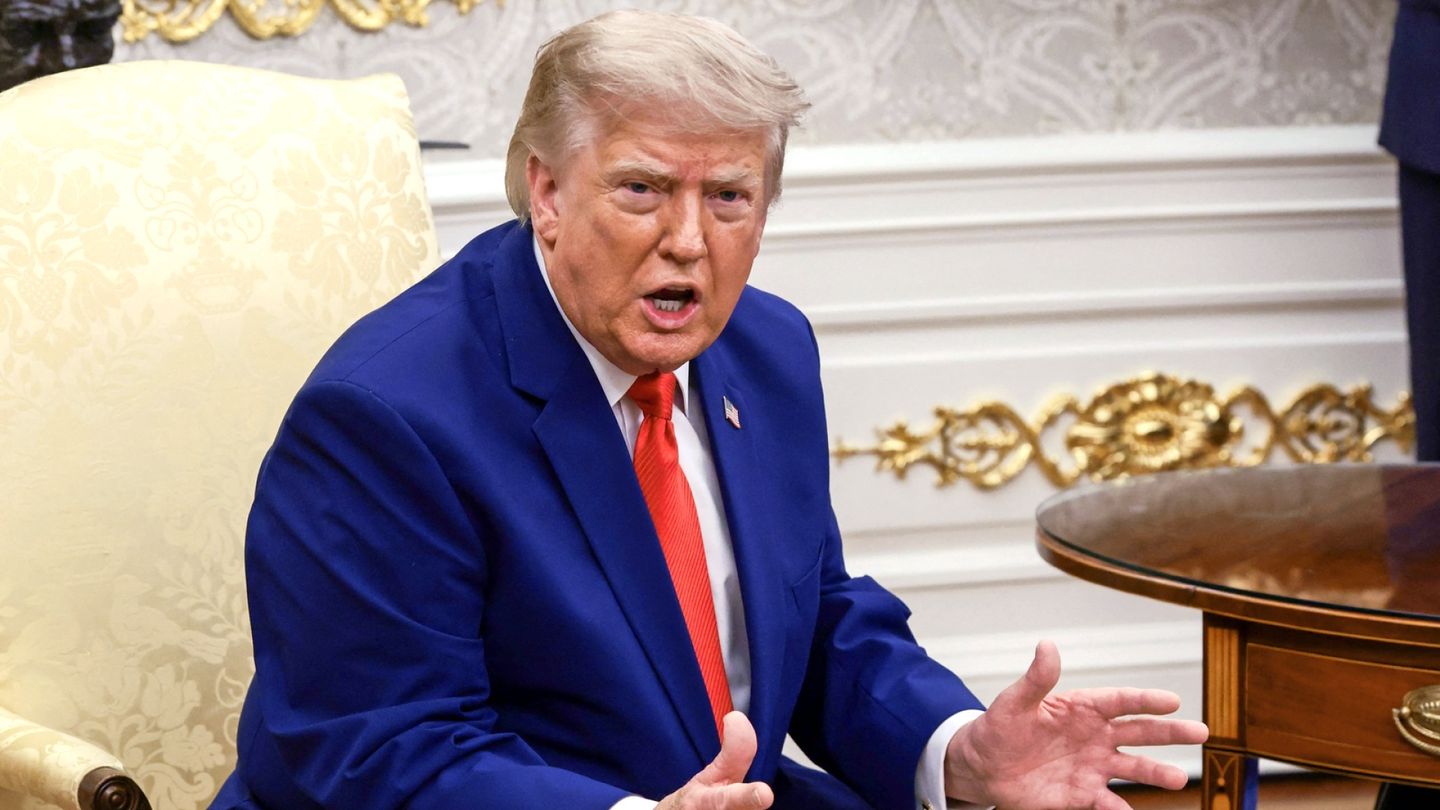
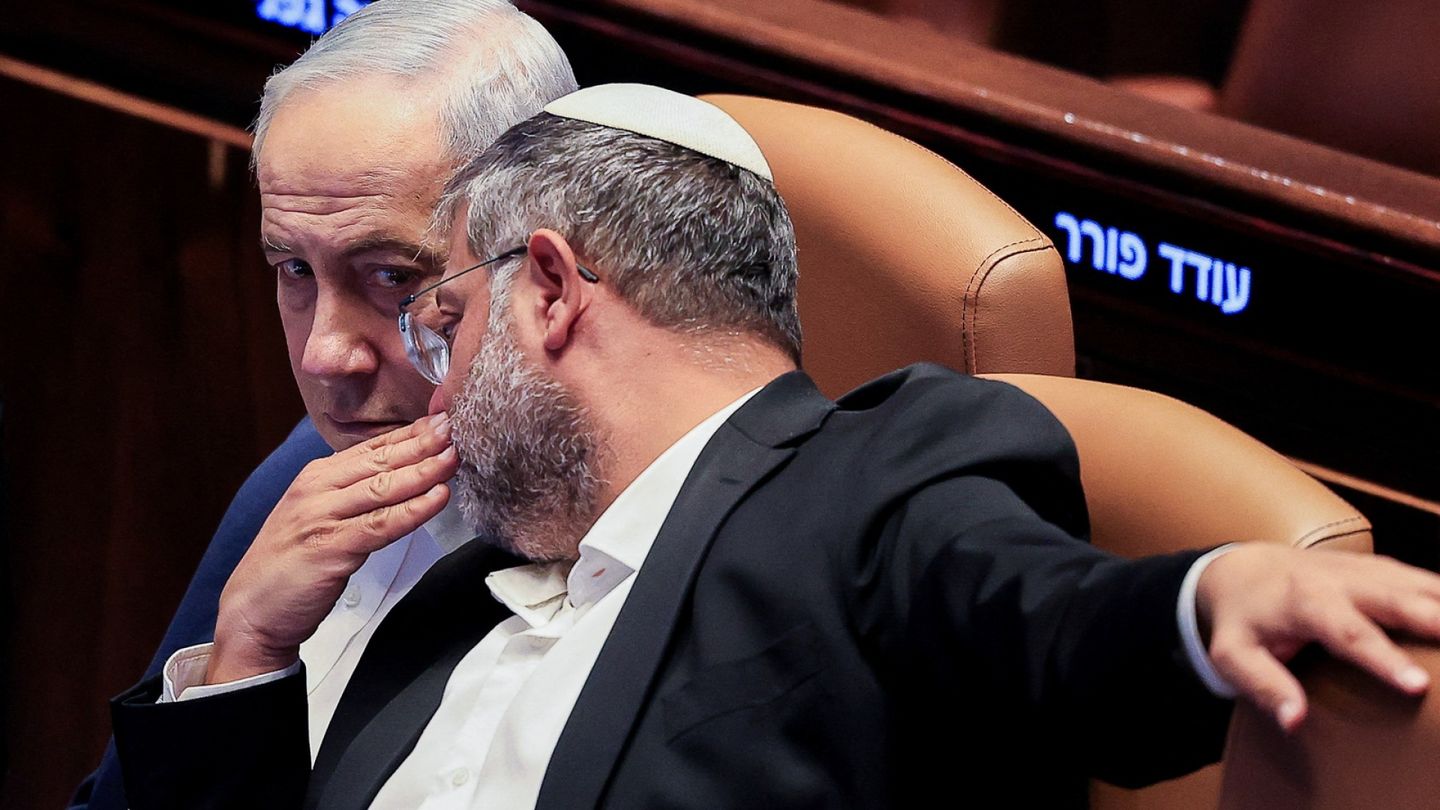
Israeli Prime Minister Benjamin Netanyahu has dramatically opened his campaign for upcoming general elections by rejecting a 15-point peace plan for Gaza. The plan was brokered by his closest ally, U.S. President Donald Trump, who has called it a "great breakthrough."
The plan is impossible to accept. Israel is not ready to withdraw before Hamas is genuinely disarmed.
Netanyahu's decision directly opposes Trump's initiative and aligns him with his far-right coalition partners. These partners are crucial for forming a future government, and they have opposed the plan. Trump, however, is reportedly eager for political victories and has promoted the plan as a significant diplomatic achievement.
The plan is a great breakthrough.
This public opposition to Trump is unusual for Netanyahu. Professor Hannu Juusola, an expert in Middle East studies, suggests that larger foreign policy shifts concerning the U.S. may occur as the October elections approach. The upcoming elections are the first general elections in Israel since the Hamas attack in October 2023. Polls indicate Netanyahu's Likud party is narrowly leading, setting the stage for a familiar political dynamic where voters rally either for or against him.
The setup looks once again the same as in previous elections: voters group themselves either for Netanyahu or against him.
Netanyahu, already Israel's longest-serving prime minister, had previously appeared alongside Trump, particularly regarding Gaza. A controversy arose in February 2025 when Trump suggested the U.S. could take control of Gaza, an idea Netanyahu called "exceptional." The current peace plan proposes Hamas gradually disarm while Israel withdraws troops from Gaza, a move Netanyahu deems impossible until Hamas is "genuinely disarmed." This stance has earned him praise from his government's right wing, but his leadership has faced repeated questioning in Israel.
Netanyahu is now so cornered that he has to openly oppose even the U.S. president, contrary to his usual ways.
DistantNews Editorial
Originally published by Helsingin Sanomat in Finnish. Translated, summarized, and contextualized by our editorial team with added local perspective. Read our editorial standards.
More Stories

From Our Blog

What Gets Lost (and Found) When News Is Translated

The Critical Role of Diaspora Media in Global News

What Travellers Should Know About Countries with Restricted Press

A Digital Nomad's Guide to Following Local News

How the Same Story Looks Different in Different Countries
