


Netflix Series Revisits Chile's Unsolved Disappearance of Jorge Matute Johns
Translated from Spanish, summarized and contextualized by DistantNews.
TLDR
- Netflix has released a new miniseries, 'Alguien tiene que saber,' based on the unsolved disappearance of Jorge Matute Johns in Chile.
- The series dramatizes the 1999 disappearance of a university student in Concepción and his mother's struggle for truth against a negligent judicial system.
- It explores themes of power, political influence, and institutional corruption surrounding the case, which remained unresolved for years.
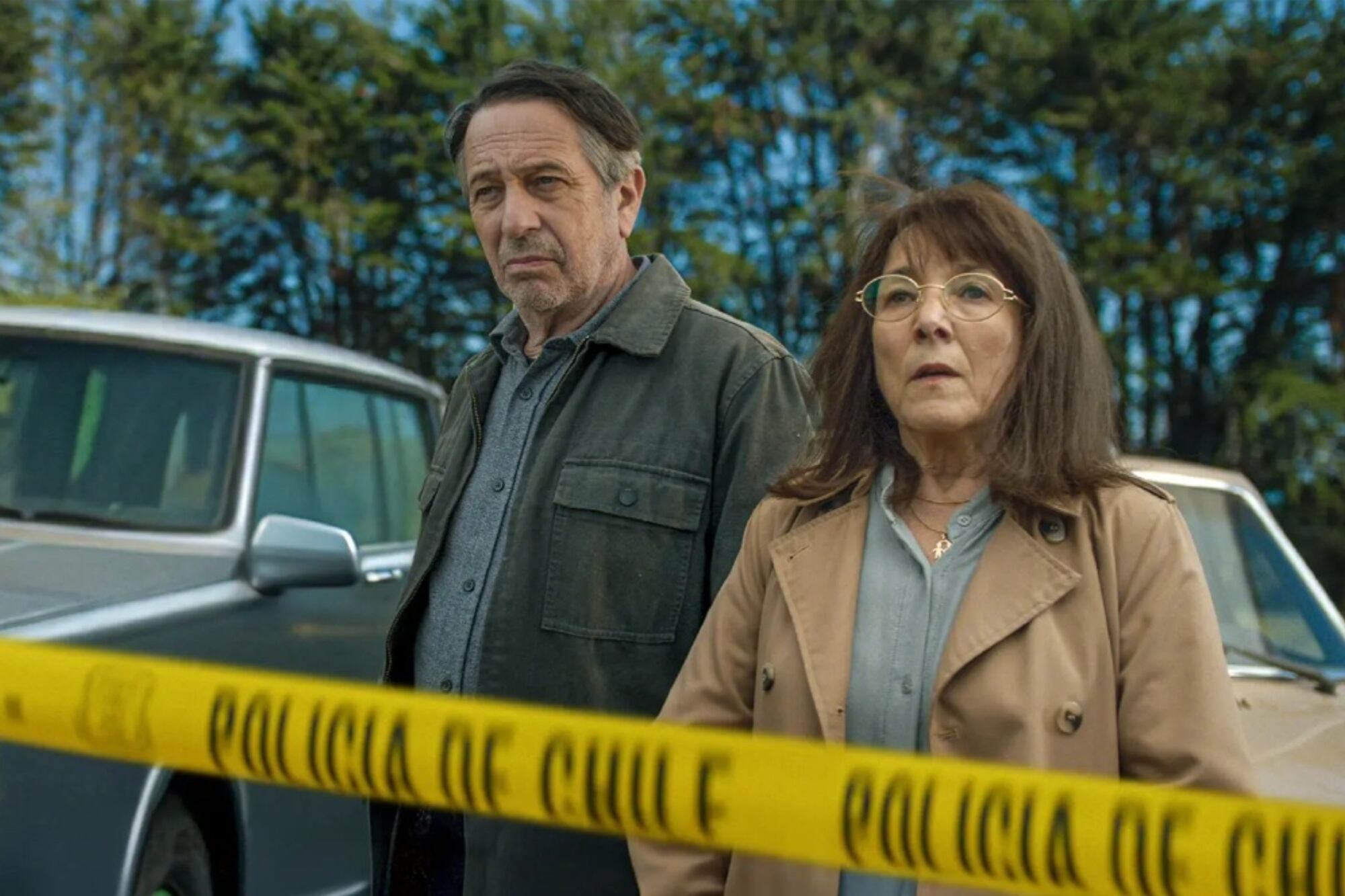
Netflix continues its successful strategy of adapting real-life mysteries into compelling series with 'Alguien tiene que saber' (Someone Has to Know), a new miniseries delving into one of Chile's most enduring and painful unsolved cases: the disappearance of Jorge Matute Johns. This production, by Fábula, transports viewers to Concepción in 1999, where the story begins with the mysterious vanishing of a young university student after a night out.
Productions based on real cases are dominating Netflix's catalog, especially when they involve enigmas that remain unresolved.
The narrative unfolds as a gripping thriller, focusing on the relentless pursuit of truth by the student's mother. Her fight against a flawed judicial system and a society shrouded in secrets forms the emotional core of the series. Across its eight episodes, the production meticulously dissects the pact of silence that enveloped the case, hinting at a complex web of powerful figures, political maneuvering, and systemic corruption that may have contributed to the prolonged lack of resolution.
The miniseries... begins with the mysterious disappearance of a young university student... From that moment on, the plot becomes a raw dramatic thriller that follows the tireless struggle of his mother to find the truth in the face of a negligent judicial system and a social environment full of secrets.
The real-life case of Jorge Matute Johns, known affectionately as 'Coke,' began on November 20, 1999, when the 23-year-old Forestry Engineering student disappeared after visiting a nightclub in Talcahuano. His absence was noted when he failed to return home, triggering a years-long search. Conflicting testimonies from the time painted a confusing picture, with some witnesses claiming he left alone and others suggesting an altercation within the club.
The disappearance of Jorge Matute Johns... occurred in the early morning of Friday, November 20, 1999, in Concepción.
Tragically, skeletal remains were discovered by the Biobío River in February 2004, later confirmed by DNA to be Jorge's. However, the cause of death was initially declared 'indeterminate.' It wasn't until the case was reopened in 2014 that scientific analysis revealed he had died from a lethal dose of pentobarbital, a sedative used for animals. The final hypothesis suggested he was drugged, possibly for abuse or to facilitate his removal from the premises, but the dosage proved fatal. This chilling detail, brought to light years later, underscores the profound tragedy and the systemic failures that plagued the investigation.
In February 2004, skeletal remains were found... The DNA tests confirmed it was Jorge, but the justice system said the cause of death was 'indeterminate.'
DistantNews Editorial
Originally published by La Nación in Spanish. Translated, summarized, and contextualized by our editorial team with added local perspective. Read our editorial standards.
More Stories



From Our Blog

What Gets Lost (and Found) When News Is Translated

The Critical Role of Diaspora Media in Global News

What Travellers Should Know About Countries with Restricted Press

A Digital Nomad's Guide to Following Local News

How the Same Story Looks Different in Different Countries
