


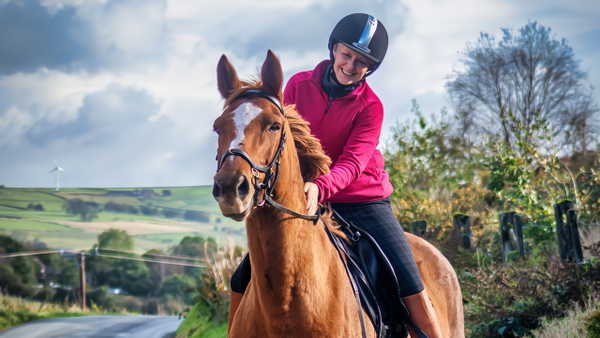
Neuroplasticity on horseback
Translated from Turkish, summarized and contextualized by DistantNews.
At a glance
In-depth
Sources not specified
Context piece
- Horseback riding is a rigorous mental exercise that stimulates the brain's motor cortex, cerebellum, and emotional centers.
- Riding creates new neural pathways, a process known as neuroplasticity, by mimicking the rhythmic motion of walking.
- The physical and sensory input from a horse activates the brain's executive functions, improving problem-solving, memory, and focus.
Horseback riding is far more than a physical sport; it is a profound mental workout that actively reshapes the brain. While observers might see only a rider sitting passively, the reality involves intense cognitive engagement. Modern neuroscience confirms that time spent on horseback directly triggers neuroplasticity, the brain's ability to form new neural pathways.
When a horse walks, it transmits a three-dimensional rhythmic motion to the rider's pelvis, closely mirroring the natural human gait. For individuals with impaired walking abilities or neurological damage, this rhythmic stimulation is perceived by the brain as walking. Each step sends hundreds of data points per second to the rider's nervous system. In response to this constant demand for balance and physical feedback, the brain bypasses old, damaged pathways and constructs entirely new neural bridges.
Scientific research reveals that the vibrations and pelvic movements generated by a horse directly stimulate the human autonomic nervous system. This not only enhances balance but also significantly boosts cognitive abilities such as problem-solving, memory, and focus, particularly in children and adults. The rhythmic physical cues optimize the brain's executive functions and motor perception, leading to peak mental performance.
During riding, three major brain regions work in synchrony: the motor cortex, which responds with muscle memory for balance; the prefrontal cortex, managing split-second safety decisions and planning the horse's movement; and the amygdala, processing the horse's energy and emotions to foster empathy. This synchronized activity increases the brain's "cognitive reserve," acting as a powerful defense against aging, forgetfulness, and cognitive decline. Ultimately, taking the reins means actively reshaping one's own brain, fostering a more focused and resilient mind.
DistantNews Editorial
Originally published by Cumhuriyet in Turkish. Translated, summarized, and contextualized by our editorial team with added local perspective. Read our editorial standards.
More Stories

From Our Blog

What Gets Lost (and Found) When News Is Translated

The Critical Role of Diaspora Media in Global News

What Travellers Should Know About Countries with Restricted Press

A Digital Nomad's Guide to Following Local News

How the Same Story Looks Different in Different Countries
