

Never Smoked, Still Got Lung Cancer. Doctors Warn of Overlooked Risks
Translated from Czech, summarized and contextualized by DistantNews.
At a glance
News
Sources not specified
Context piece
- Lung cancer affects non-smokers due to risks like radon, secondhand smoke, and air pollution.
- Doctors emphasize early detection through screening and involving general practitioners.
- These overlooked factors highlight the need for broader awareness and diagnostic approaches.
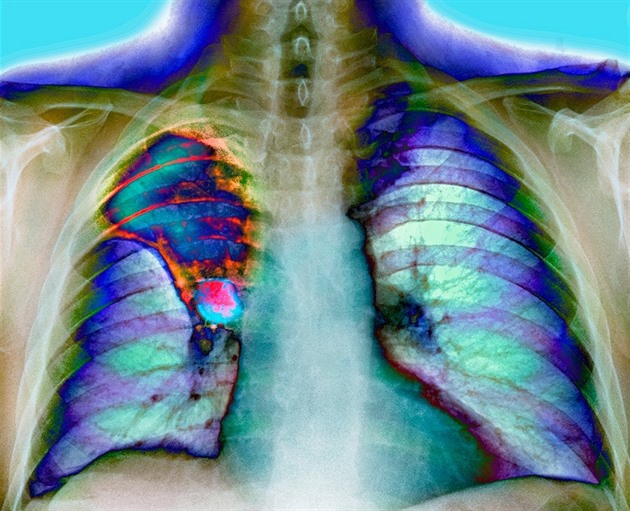
While smoking causes about 80% of lung cancer cases, the disease also strikes individuals who have never smoked. Doctors are highlighting overlooked risks that contribute to these non-smoking cases. Factors such as radon gas exposure, secondhand smoke, and air pollution from fine dust and occupational hazards can significantly increase a person's risk.
For about 80 percent of lung cancer cases, smoking is the cause, but the disease does not avoid those who have never lit a cigarette.
This broader understanding of lung cancer's causes underscores the importance of early detection methods. Medical professionals are advocating for increased use of screening programs designed to catch the disease in its early stages. They also stress the need for greater involvement from general practitioners.
The risk is also increased by radon, passive smoking, airborne dust, or harmful substances in the workplace.
General practitioners can play a crucial role in identifying patients at higher risk. By recognizing potential warning signs and risk factors, they can refer patients for specialized examinations. This proactive approach aims to improve patient outcomes by catching lung cancer before it becomes advanced.
Doctors therefore emphasize the importance of early detection, examination through screening, and greater involvement of general practitioners, who can direct at-risk patients for examination.
DistantNews Editorial
Originally published by iDNES in Czech. Translated, summarized, and contextualized by our editorial team with added local perspective. Read our editorial standards.
More Stories



From Our Blog

What Gets Lost (and Found) When News Is Translated

The Critical Role of Diaspora Media in Global News

What Travellers Should Know About Countries with Restricted Press

A Digital Nomad's Guide to Following Local News

How the Same Story Looks Different in Different Countries
