


New Airport Scam: Drug Smugglers Use Passengers' Luggage Tags
Translated from Polish, summarized and contextualized by DistantNews.
At a glance
News
Named sources
Context piece
- Criminals are using a new method to smuggle drugs by swapping luggage tags at airports, implicating unwitting passengers.
- Corrupt airport ground staff allegedly swap original tags onto suitcases containing drugs, assigning them to innocent travelers' identities.
- This scheme has led to passengers being detained or imprisoned in foreign countries when the illicit cargo is discovered.
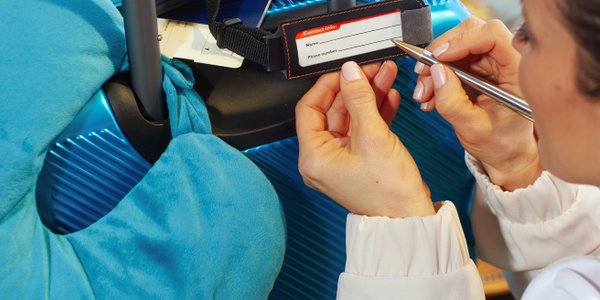
A dangerous new drug smuggling operation is unfolding at airports, exploiting unsuspecting travelers by manipulating luggage tags. Canadian media investigations, reported by Travel + Leisure, reveal a sophisticated scheme where criminals, aided by bribed airport ground staff, swap luggage identification tags. The original tags belonging to innocent passengers are removed from their checked bags and affixed to suitcases packed with narcotics. This illicit cargo is then assigned to the unwitting passenger's identity within the airport's baggage system. If the drug-filled suitcases pass through airport security undetected, accomplices at the destination airport collect them. The true owner of the swapped tag remains unaware until the illegal goods are discovered by authorities. In such cases, the passenger whose identity is linked to the drugs faces severe consequences, ranging from detention to lengthy prison sentences in countries with strict drug trafficking laws. The scale of the problem is significant; Canadian journalists identified at least 17 instances of tag swapping at Toronto Pearson Airport alone within a year. The smuggling routes have included flights from Canada to destinations like the Dominican Republic, the Philippines, France, Germany, Morocco, New Zealand, and South Korea, where drug trafficking can carry the death penalty. While victims have ultimately been cleared of charges, Canadian authorities are urging increased vigilance at airports. Travel advice includes photographing luggage before and during check-in, documenting baggage weight, and taking pictures of the luggage tags themselves to create a record of the bag's condition and identity prior to any potential tampering.
W najlepszym przypadku oznacza to zatrzymanie, a w najgorszym – pobyt w więzieniu w obcym kraju, w którym obowiązują surowe kary za przemyt narkotyków
DistantNews Editorial
Originally published by Rzeczpospolita in Polish. Translated, summarized, and contextualized by our editorial team with added local perspective. Read our editorial standards.
More Stories



From Our Blog

What Gets Lost (and Found) When News Is Translated

The Critical Role of Diaspora Media in Global News

What Travellers Should Know About Countries with Restricted Press

A Digital Nomad's Guide to Following Local News

How the Same Story Looks Different in Different Countries
