

/nginx/o/2026/07/14/17783367t1h86ad.jpg)
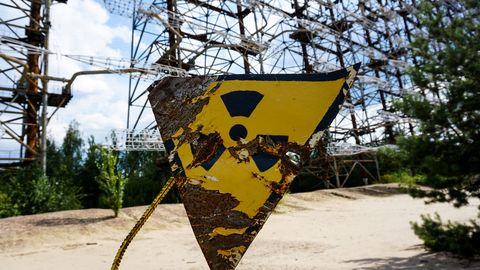
New Allies in the Fight Against Uranium Pollution: Bacteria
Translated from Estonian, summarized and contextualized by DistantNews.
At a glance
News
Sources not specified
Context piece
- Scientists are exploring the use of naturally occurring microbes found in mining water as a potential solution for uranium contamination.
- These bacteria can metabolize toxic uranium, converting it into a more stable compound that remains localized.
- This bioremediation approach offers a promising future for cleaning up uranium-polluted mines and waste storage sites.
Uranium contamination poses a significant global challenge, presenting complex environmental and health concerns that have long resisted effective solutions. The inherent difficulty in managing uranium stems from its ability to exist in various chemical forms, making it mobile and capable of spreading far from its origin through groundwater.
However, international research has identified a potential ally in an unexpected place: the microbes thriving in mining water. These microorganisms possess a remarkable ability to interact with heavy metals, including uranium, offering a novel pathway for remediation.
The key lies in the bacteria's metabolic processes. They can utilize toxic uranium as part of their life cycle, transforming it into a more stable chemical state. This transformation is crucial because it significantly reduces the uranium's mobility, effectively immobilizing it and preventing further spread through the environment.
This discovery holds considerable promise for the future of environmental cleanup. It suggests a sustainable and potentially cost-effective method for addressing the persistent problem of uranium-polluted mines and waste storage facilities worldwide. By harnessing the power of these natural bioremediators, scientists aim to develop effective strategies to neutralize and contain uranium contamination, safeguarding both ecosystems and public health.
DistantNews Editorial
Originally published by Postimees in Estonian. Translated, summarized, and contextualized by our editorial team with added local perspective. Read our editorial standards.
More Stories


/nginx/o/2026/07/09/17772810t1h5b32.jpg)
From Our Blog

What Gets Lost (and Found) When News Is Translated

The Critical Role of Diaspora Media in Global News

What Travellers Should Know About Countries with Restricted Press

A Digital Nomad's Guide to Following Local News

How the Same Story Looks Different in Different Countries
