


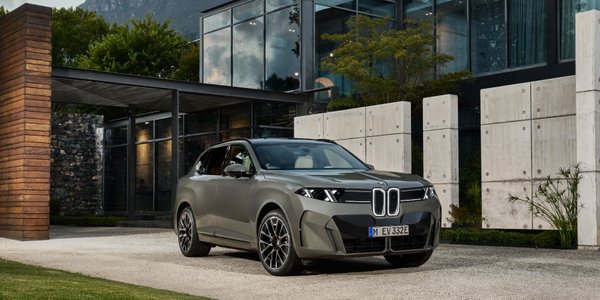
New BMW X5 arrives with gasoline, diesel, electric, plug-in, and hydrogen options
Translated from Polish, summarized and contextualized by DistantNews.
At a glance
News
Sources not specified
Context piece
- The new BMW X5 will offer an unprecedented five powertrain options, including gasoline, diesel, plug-in hybrid, fully electric, and hydrogen fuel cell variants.
- This diverse offering aims to cater to various markets and customer needs, contrasting with competitors focusing on fewer options.
- The lineup includes mild-hybrid gasoline and diesel engines, plug-in hybrids for electric local driving, and the all-electric iX5, with a hydrogen version planned later.
BMW is set to redefine luxury SUV offerings with the upcoming X5, which will pioneer a comprehensive range of five distinct powertrain options. This strategy aims to capture a wider market segment and cater to diverse customer preferences, a move that sets it apart from competitors like Audi and Mercedes-Benz, who currently offer more limited choices.
The new X5 lineup will feature traditional gasoline and diesel engines enhanced with 48-volt mild-hybrid technology. Alongside these, plug-in hybrid variants will provide the flexibility of electric-only driving for shorter distances, combined with the range assurance of a gasoline engine for longer trips. This approach addresses the needs of drivers who want to reduce local emissions without range anxiety.
Marking a significant step for the brand, the X5 will also introduce a fully electric version, the iX5, utilizing the sixth generation of BMW's eDrive technology. Furthermore, a hydrogen fuel cell variant, the iX5 Hydrogen, is slated for a later release, showcasing BMW's commitment to exploring multiple future mobility solutions.
This multi-powertrain strategy is a calculated move by BMW, offering a less risky approach than betting solely on electric vehicles. The brand anticipates that this flexibility will be highly appreciated by consumers, allowing them to precisely match a vehicle's powertrain to their specific usage patterns, driving style, and budget. The inclusion of gasoline and diesel options, supported by mild-hybrid systems, ensures that traditional preferences are still met, while the advanced hybrid and electric options push the boundaries of efficiency and sustainability.
DistantNews Editorial
Originally published by Rzeczpospolita in Polish. Translated, summarized, and contextualized by our editorial team with added local perspective. Read our editorial standards.
More Stories



From Our Blog

What Gets Lost (and Found) When News Is Translated

The Critical Role of Diaspora Media in Global News

What Travellers Should Know About Countries with Restricted Press

A Digital Nomad's Guide to Following Local News

How the Same Story Looks Different in Different Countries
