


New charging and refueling areas needed for truck traffic in Helsinki region
Translated from Finnish, summarized and contextualized by DistantNews.
At a glance
Opinion
Named sources
Context piece
- Achieving traffic emission reduction targets requires updating the vehicle fleet and developing infrastructure for cleaner fuels, especially for heavy-duty transport.
- While public charging infrastructure for passenger cars has developed well, heavy-duty vehicle charging and refueling stations are scarce and need public support.
- Finding suitable locations for these large facilities is a growing challenge in the Helsinki region due to urban densification, necessitating proactive land-use planning and stronger government guidance.
Meeting traffic emission reduction goals hinges on modernizing the vehicle fleet and expanding infrastructure for environmentally friendly fuels, particularly for heavy-duty vehicles. Public charging infrastructure for passenger cars has seen considerable market-driven development. However, public charging and refueling facilities for heavy-duty transport remain virtually nonexistent and require public funding to advance.
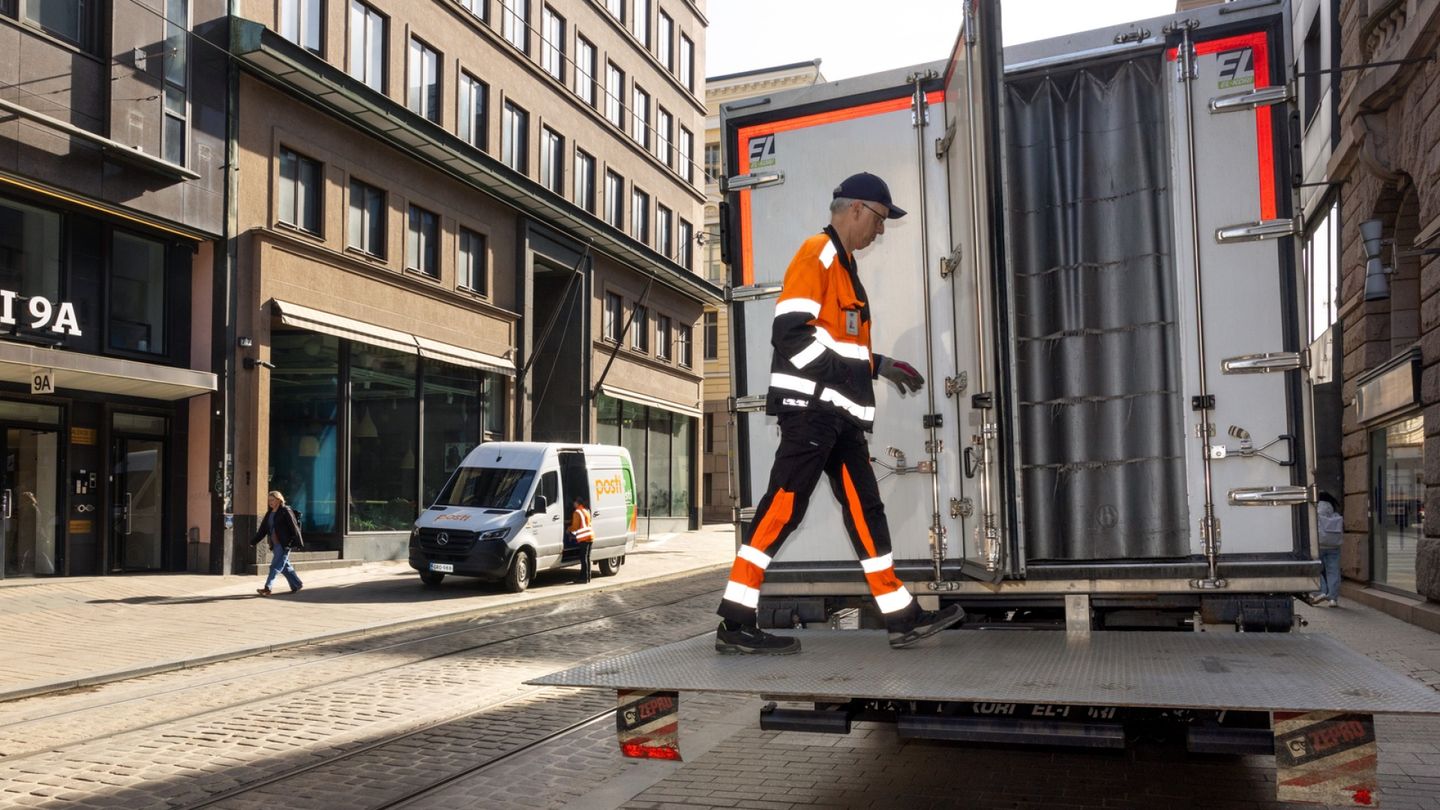
The development of charging and refueling areas for heavy-duty vehicles presents a significant land-use planning challenge in the Helsinki region. As the population grows and urban structures intensify, identifying adequate space for these large facilities becomes increasingly difficult. Ideally, these areas should be co-located with rest stops for truck drivers, allowing them to charge or refuel while taking a break. Unfortunately, such rest stops are in critically short supply in the Helsinki region, as municipalities are reluctant to allocate land for them.
Securing key potential locations through binding land-use planning, starting at the regional level, is a multi-year process. Municipalities must also incorporate these needs into their general and local master plans. The Union of Uusimaa has begun addressing this by designating several sites for heavy-duty vehicle fuel distribution and rest areas in the preliminary regional master plan. However, Espoo's master plan currently lacks sufficient reservations for these purposes.
Agreements between Helsinki region municipalities and the state concerning land use, housing, and transport have included provisions for heavy-duty rest stops, but their implementation has lagged. Experience shows that these rest stops will not materialize in the Helsinki region without stronger state direction and support. Future MAL agreement negotiations must ensure the realization of heavy-duty rest stops and charging/refueling areas, specifying locations and linking project progress to state commitments. Municipalities should also be obligated to plan for future land needs in their own zoning processes.
DistantNews Editorial
Originally published by Helsingin Sanomat in Finnish. Translated, summarized, and contextualized by our editorial team with added local perspective. Read our editorial standards.
More Stories

From Our Blog

What Gets Lost (and Found) When News Is Translated

The Critical Role of Diaspora Media in Global News

What Travellers Should Know About Countries with Restricted Press

A Digital Nomad's Guide to Following Local News

How the Same Story Looks Different in Different Countries
