


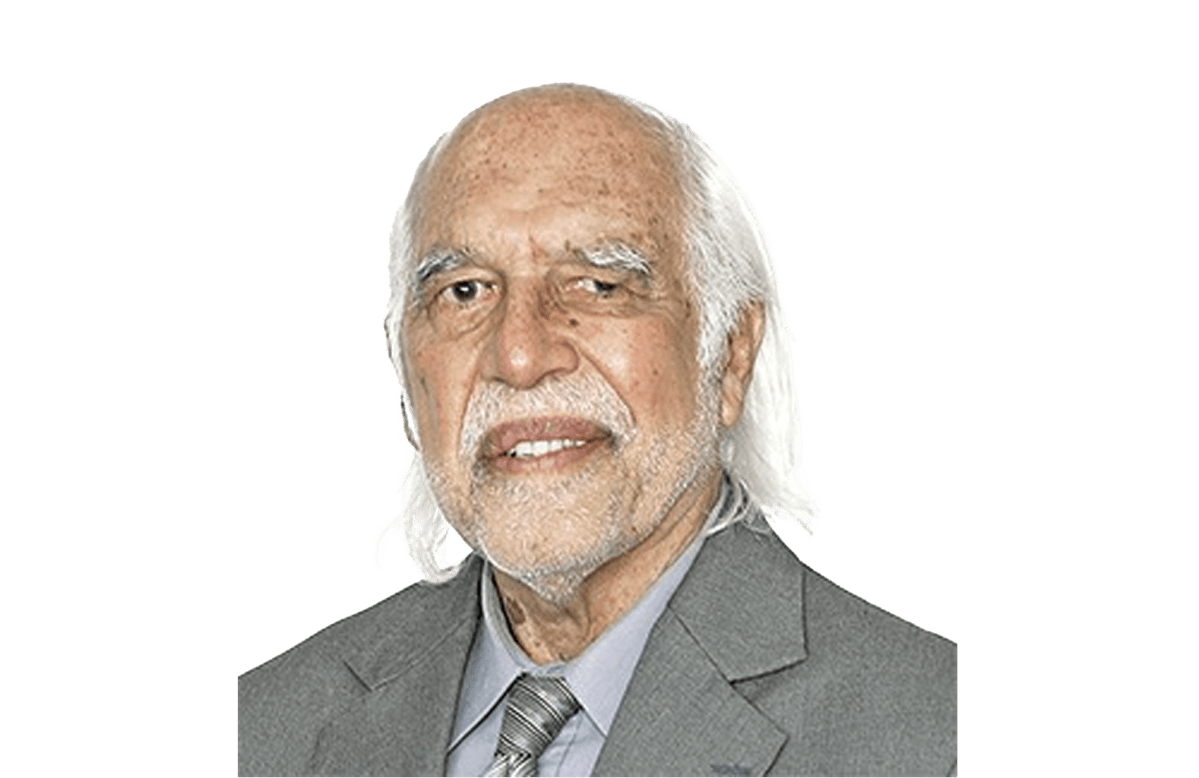
New civic movements emerge in Guatemala amid corruption concerns
Translated from Spanish, summarized and contextualized by DistantNews.
At a glance
News
Sources not specified
Context piece
- New civic movements are emerging in Guatemala, driven by public discontent with corruption and the perceived venality of state institutions.
- Groups like Frente Amplio por la Democracia and Poder Ciudadano aim to propose structural changes and constitutional reforms to combat organized crime and improve governance.
- These movements are seeking to address deep-seated issues of political control by elite groups and the co-option of the judicial system.
Guatemala is witnessing the rise of new civic movements, fueled by widespread disillusionment with the country's political and judicial systems. Organizations such as the Frente Amplio por la Democracia and Poder Ciudadano are emerging with the stated goal of proposing structural changes and reforms to reclaim the nation from organized crime, drug trafficking, and "narco-politics."
The article points to a long history of political control by self-interested groups, exacerbated since the mid-20th century. A significant crisis emerged in 2015 when the International Commission Against Impunity in Guatemala (Cicig) exposed a vast network of corruption involving the president, vice president, and ministers. This led to resignations and prosecutions, but also to the establishment of a "Pact of Corrupts" by dominant business and political elites to defend themselves.
The Frente Amplio por la Democracia is developing a government plan for potential presidential candidates and advocating for a coalition to renew Congress with representatives focused on constitutional changes. Meanwhile, Poder Ciudadano is spearheading a citizen initiative to reform 24 articles of the Constitution. Their proposals include overhauling the judicial system, eliminating nomination commissions, strengthening the judicial career path, and removing Congress's power to elect appellate magistrates. This initiative aims to leverage Article 277 of the Constitution, which allows citizens to propose constitutional amendments.
These movements represent a significant pushback against what is perceived as the co-option of the judicial branch, which has dominated the political and legal landscape for the past decade. The efforts to gather signatures and propose reforms signal a desire for greater citizen participation and accountability in Guatemala's governance.
DistantNews Editorial
Originally published by Prensa Libre in Spanish. Translated, summarized, and contextualized by our editorial team with added local perspective. Read our editorial standards.
More Stories

From Our Blog

What Gets Lost (and Found) When News Is Translated

The Critical Role of Diaspora Media in Global News

What Travellers Should Know About Countries with Restricted Press

A Digital Nomad's Guide to Following Local News

How the Same Story Looks Different in Different Countries
