

New Exhibition at Kecskemét's Cifrapalota Showcases the Scythian Era
Translated from Hungarian, summarized and contextualized by DistantNews.
At a glance
In-depth
Named sources
Context piece
- A new exhibition at the Cifrapalota in Kecskemét showcases the era of the Scythians.
- The exhibition features weapons, jewelry, and artifacts related to Scythian burial customs.
- It highlights the Vekerzug culture and the influence of Eastern groups and later Celtic arrivals in the Carpathian Basin.
The Cifrapalota in Kecskemét is now hosting a new exhibition dedicated to the Scythian era, offering a glimpse into the rich cultural and scientific fusion of the Danube-Tisza region and the Tisza river valley.
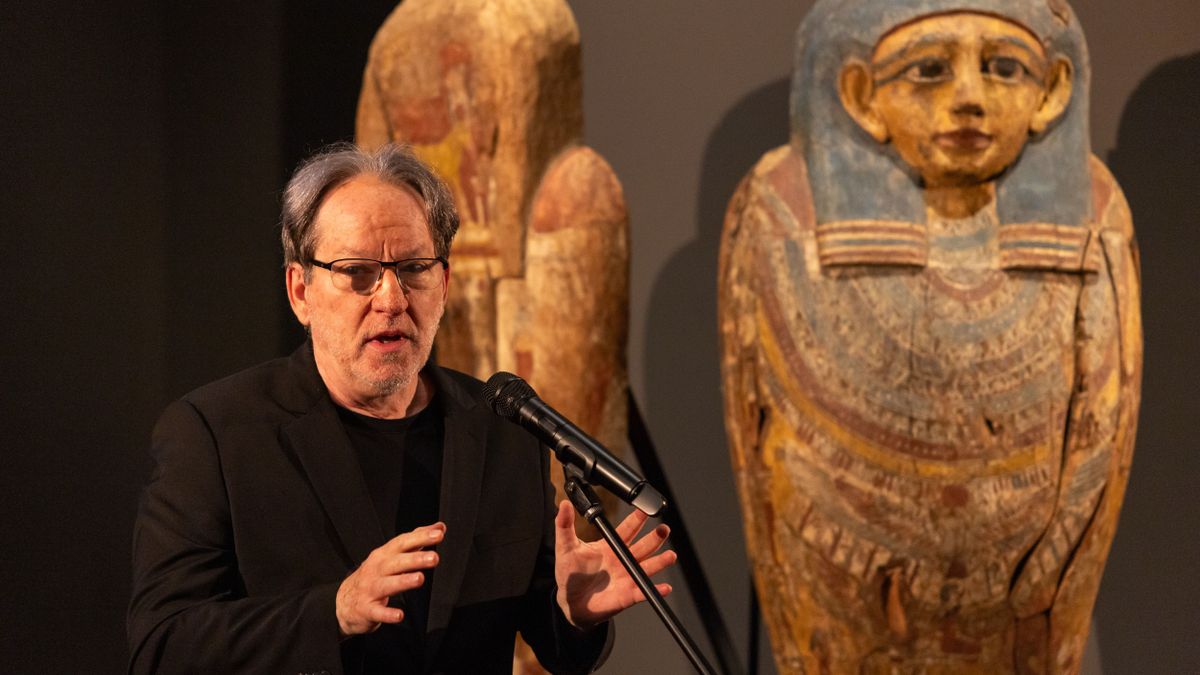
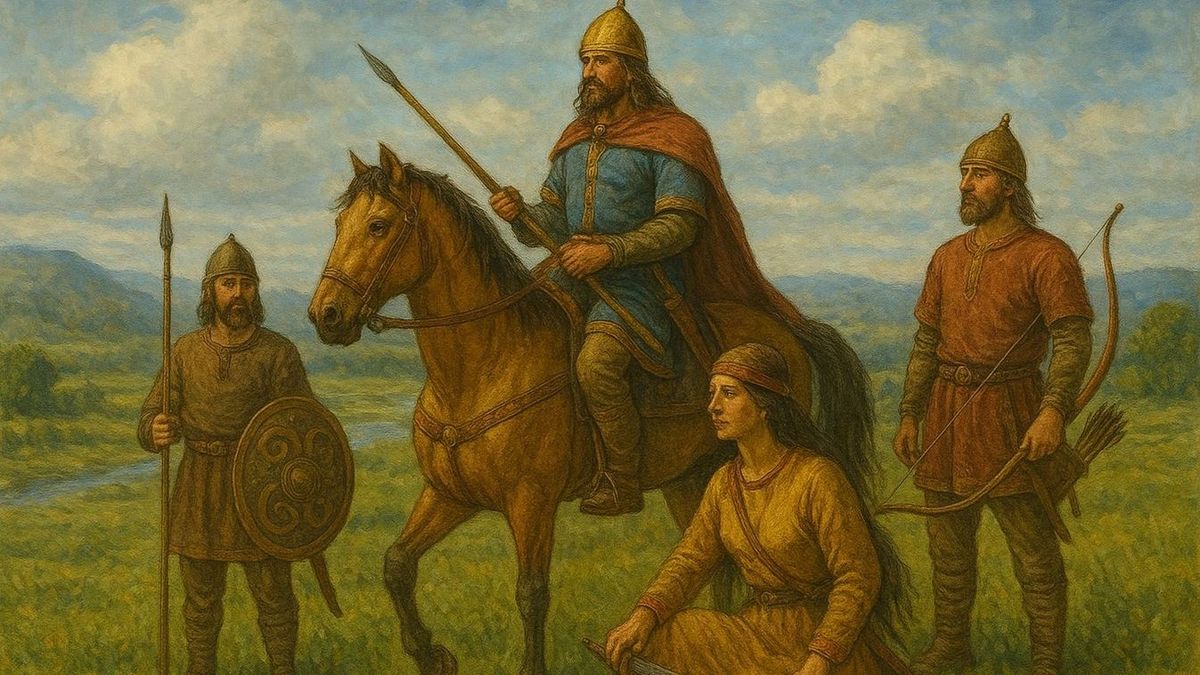
Anikó Szabóné Bognár, deputy director of the Katona József Museum in Kecskemét, emphasized that the exhibition is a product of exemplary professional collaboration between institutions in Szolnok and Kecskemét. The display is the result of the curatorial work of Gabriella Hajdrik and Péter Kovács, with visual design by Mónika Szelei, graphics by Szabolcs Kovács, and reconstruction art by Zoltán Boldog.
The exhibition presents a variety of artifacts, including weapons, jewelry, and everyday objects, alongside findings that illustrate Scythian burial practices. Notably, many of these items are being displayed in a museum setting for the first time. The collection from Jász-Nagykun-Szolnok county includes vessels and weapons unearthed from graves, as well as objects found through community archaeological research, such as a bronze mirror with a handle shaped like a predator's head.
It also details the Vekerzug culture, the inhabitants of the Great Hungarian Plain during that period, which emerged from the interaction between local communities and Eastern groups. These people settled along rivers and on loess ridges, engaging in both animal husbandry and agriculture. The exhibition showcases key innovations of the era, such as the complex composite reflex bow and advanced cavalry tactics, as well as the adoption of the potter's wheel through Greek colonial cities.
Although local Iron Age traditions persisted in the eastern part of the Carpathian Basin for a considerable time, the arrival of Celtic groups from the west in the 4th century BC fundamentally reshaped the region's character. The exhibition is enhanced by richly illustrated reconstruction drawings, object reconstructions, and interactive elements. A dedicated play corner is also available for children, making the exploration of the past an engaging experience for all ages. The exhibition, titled "The Scythian Era in the Heart of the Great Plain," will be open until October 11.
DistantNews Editorial
Originally published by Magyar Nemzet in Hungarian. Translated, summarized, and contextualized by our editorial team with added local perspective. Read our editorial standards.
More Stories



From Our Blog

Countries Without a Free Press: What You Need to Know

What Press Freedom Means for the News You Read

What Gets Lost (and Found) When News Is Translated

The Critical Role of Diaspora Media in Global News

What Travellers Should Know About Countries with Restricted Press
