


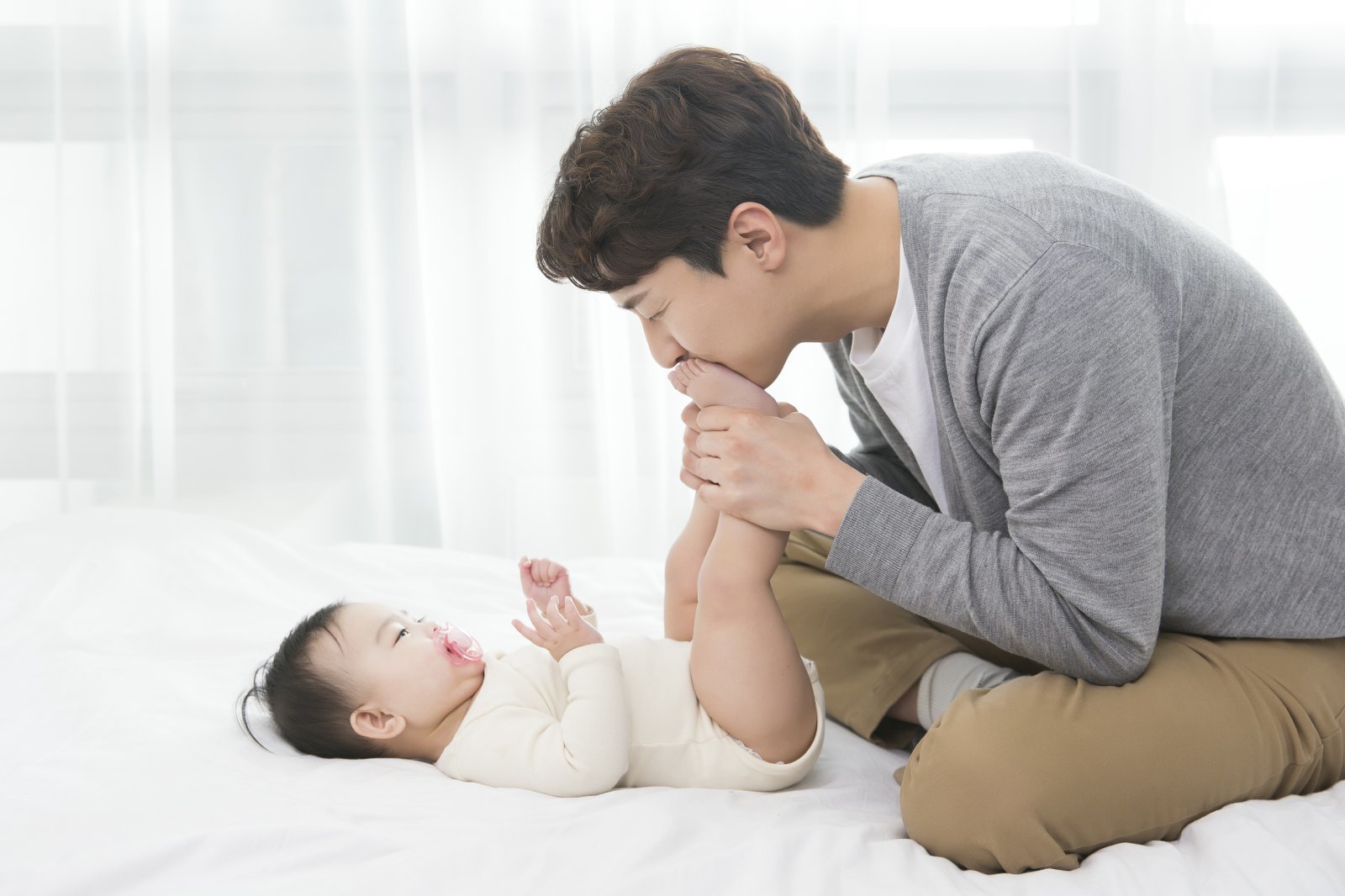
New fathers can experience postpartum depression due to hormonal shifts, study finds
Translated from Korean, summarized and contextualized by DistantNews.
At a glance
News
Sources not specified
Context piece
- New fathers can experience postpartum depression due to hormonal changes, including decreased testosterone and increased estrogen and cortisol.
- Symptoms in men differ from women, often manifesting as irritability, anger, or substance abuse rather than sadness.
- A large Swedish study found a 30% increase in depression and stress-related disorders among new fathers within a year of childbirth.
Postpartum depression is not exclusive to new mothers; fathers can also experience this condition, often triggered by significant hormonal shifts, experts reveal.
While postpartum depression affects about one in seven women, with symptoms like persistent sadness, sleep disturbances, and difficulty bonding with the baby, new fathers undergo their own hormonal adjustments. Psychologist Brett A. Biller of Hackensack University Medical Center explains that fathers experience a decrease in testosterone alongside an increase in estrogen and the stress hormone cortisol. Paradoxically, while these changes may enhance paternal bonding, they can also increase vulnerability to depression and anxiety.
New fathers experience hormonal changes, including decreased testosterone and increased estrogen and stress hormones like cortisol. While this is an evolutionary mechanism to enhance attachment to the child, it paradoxically makes them more vulnerable to depression and anxiety.
The risk for fathers increases significantly if their partner is also experiencing postpartum depression, with estimates suggesting a nearly 50% rise in risk. However, official diagnoses for paternal postpartum depression remain low, with only about one in ten cases leading to a formal diagnosis.
The diagnosis rate for depression and stress-related disorders among fathers increased by about 30% compared to before pregnancy.
A large-scale Swedish study published in JAMA Network Open analyzed over a million new fathers. It found a roughly 30% increase in diagnoses of depression and stress-related disorders within the first year after childbirth compared to pre-pregnancy rates. The researchers emphasized the need for ongoing monitoring and support for the mental health of new fathers.
Common triggers for paternal postpartum depression include sleep deprivation, financial pressures, and changes in the marital relationship. Unlike the sadness and withdrawal often seen in mothers, fathers may exhibit irritability, anger, aggression, or turn to alcohol and drugs. These behaviors can strain family relationships and potentially impact a child's emotional and behavioral development. Social isolation, frequent headaches, stomachaches, and loss of interest in hobbies can also accompany these symptoms. Researchers suggest that some fathers may internalize their struggles or hesitate to seek help, possibly to avoid diverting attention from their partners, leading to underdiagnosis.
Some new fathers may hide or internalize their symptoms and refrain from seeking help, possibly to avoid diverting attention from their partners during pregnancy and immediately after childbirth.
DistantNews Editorial
Originally published by Dong-A Ilbo in Korean. Translated, summarized, and contextualized by our editorial team with added local perspective. Read our editorial standards.
More Stories


From Our Blog

What Gets Lost (and Found) When News Is Translated

The Critical Role of Diaspora Media in Global News

What Travellers Should Know About Countries with Restricted Press

A Digital Nomad's Guide to Following Local News

How the Same Story Looks Different in Different Countries
