

Testosterone-derived hormone DHT blamed for hair loss, enlarged prostates
Translated from Korean, summarized and contextualized by DistantNews.
At a glance
Analysis
Sources not specified
Context piece
- Dihydrotestosterone (DHT), a hormone derived from testosterone, is identified as a primary cause of hair loss and enlarged prostates in men.
- DHT promotes cell growth in the prostate, leading to benign prostatic hyperplasia, and in the scalp, it shortens hair growth cycles, causing hair thinning.
- Treatments targeting DHT production can help, but may cause side effects like decreased libido and erectile dysfunction, presenting a difficult choice between hair and masculinity.
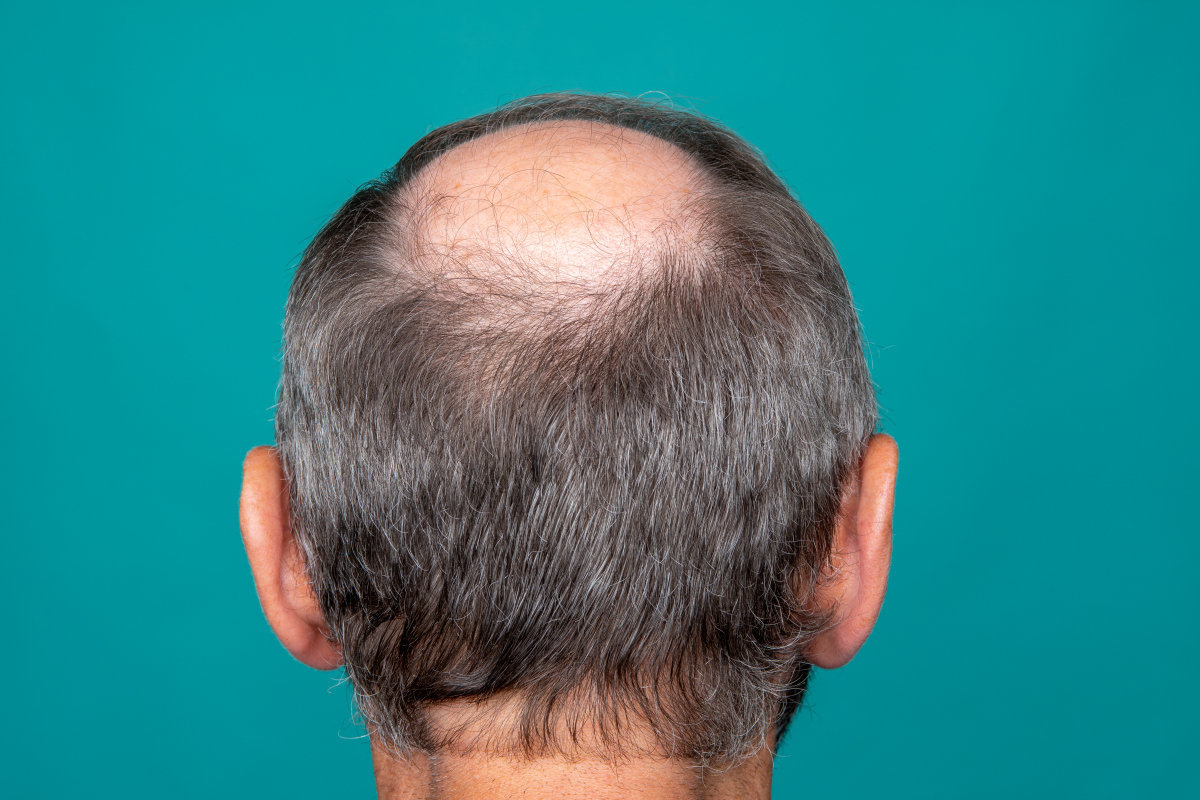
Dihydrotestosterone (DHT), a derivative of testosterone, is the key culprit behind common male ailments like hair loss and enlarged prostates, according to an analysis in Dong-A Ilbo. While a fortunate few are genetically blessed, most men experience receding hairlines and urinary difficulties with age, both linked to DHT's actions.
DHT plays a crucial role throughout a man's life, from fetal development of reproductive organs to the growth of facial and body hair during puberty. In adulthood, it significantly influences prostate function. However, the hormone's activity continues as men age. In the prostate, DHT binds to androgen receptors, promoting cell growth that can lead to benign prostatic hyperplasia, constricting the urethra and impeding urine flow.
Paradoxically, the same hormone that promotes body hair growth actively attacks scalp hair. In hair follicles, DHT binds to androgen receptors, causing the hair growth cycle to shorten and the resting phase to lengthen. This results in hair that grows quickly only to fall out, eventually leading to miniaturized follicles and permanent hair loss. Medications like finasteride and dutasteride work by inhibiting the enzyme that converts testosterone to DHT, thus treating both conditions.
However, these treatments come with a significant caveat: they can cause sexual side effects, including decreased libido, erectile dysfunction, and reduced ejaculate volume, potentially leading to depression and anxiety. This presents men with a difficult choice between preserving their hair and maintaining their sexual function. The article also touches upon female hair loss, often linked to hormonal changes like menopause and postpartum shifts, and the impact of nutritional deficiencies and hair treatments.
DistantNews Editorial
Originally published by Dong-A Ilbo in Korean. Translated, summarized, and contextualized by our editorial team with added local perspective. Read our editorial standards.
More Stories


From Our Blog

What Gets Lost (and Found) When News Is Translated

The Critical Role of Diaspora Media in Global News

What Travellers Should Know About Countries with Restricted Press

A Digital Nomad's Guide to Following Local News

How the Same Story Looks Different in Different Countries
