

New higher-capacity Bus Rapid Transit system to be studied in Tuas South, could be rolled out islandwide
Summarized and contextualized by DistantNews.
At a glance
News
Named sources
New plan
- Singapore's Land Transport Authority (LTA) is studying a new Bus Rapid Transit (BRT) system for Tuas South.
- The system would use higher-capacity two-section and three-section buses, potentially rolling out islandwide if successful.
- LTA is examining BRT models from cities like Shanghai, Seoul, and Curitiba to determine the best fit for Singapore.
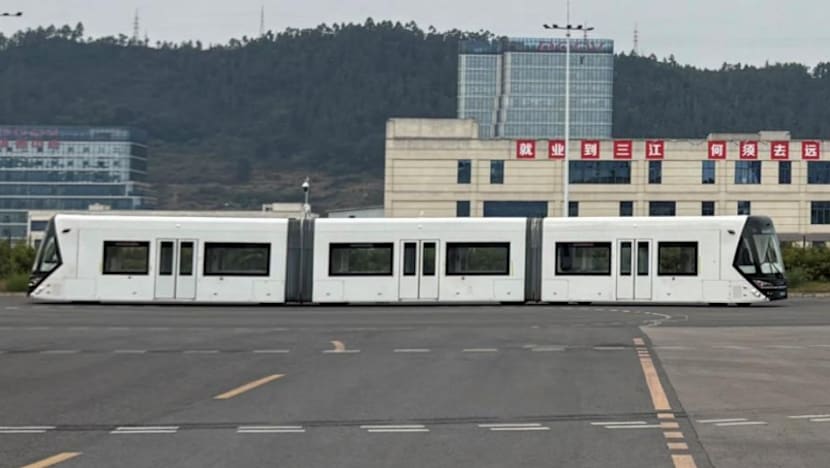
Singapore's Land Transport Authority (LTA) is exploring the implementation of a new Bus Rapid Transit (BRT) system in Tuas South, potentially paving the way for an islandwide rollout if the pilot proves successful. The proposed system would utilize higher-capacity buses, including two-section and three-section articulated vehicles, aiming to provide workers with faster and more reliable connections to existing and future MRT stations. BRT is described by the LTA as a medium-capacity transport mode that offers greater passenger capacity than conventional buses, though less than the MRT. These systems typically operate on dedicated lanes or corridors with traffic signal priority, enabling faster and more consistent travel times. The LTA highlighted that BRT systems can offer higher capacity during peak periods with less dedicated infrastructure and greater route flexibility compared to rail systems, making them a potentially cost-effective and scalable solution for areas like Tuas South. Minister for Transport Jeffrey Siow noted that if feasible, the BRT system could become a promising and cost-effective transport mode for Singapore, bridging the gap between buses and trains. He pointed out that while BRT systems often require dedicated infrastructure, cities like Shanghai and Seoul have implemented variants that are more flexible, cheaper, and quicker to deploy. To inform its decision, the LTA is studying various BRT systems globally, including those in Shanghai, Seoul, Curitiba, Istanbul, and Brisbane, which employ buses of varying lengths. Additionally, the authority is examining tram-like BRT variants with driver cabins at both ends and potential automation systems, as seen in Zhuzhou and Yibin, China. Both types of systems typically feature dedicated lanes, traffic signal priority, and sometimes fare payment at stations and level platforms to expedite boarding and reduce dwell times. The LTA will assess the benefits and costs of these options for Tuas South to determine their suitability.
This also results in higher capacity, especially at peak periods, while requiring less dedicated infrastructure and greater flexibility in route adjustments compared to MRT or LRT systems. This makes BRT a potentially cost-effective and scalable solution for suitable medium-density corridors like in Tuas South.
DistantNews Editorial
Originally published by CNA. Summarized and contextualized by our editorial team with added local perspective. Read our editorial standards.
More Stories



From Our Blog

What Gets Lost (and Found) When News Is Translated

The Critical Role of Diaspora Media in Global News

What Travellers Should Know About Countries with Restricted Press

A Digital Nomad's Guide to Following Local News

How the Same Story Looks Different in Different Countries
