



New Hungarian President Criticized for Past Stance on 1956 Uprising Convict
Translated from Hungarian, summarized and contextualized by DistantNews.
At a glance
Opinion
Sources not specified
Context piece
- Hungary's new president, András Baka, faces criticism over his past support for pardoning a 1956 Hungarian Uprising participant convicted of war crimes.
- Baka, as a judge at the European Court of Human Rights, supported the release of János Korbely, who was convicted of crimes against humanity for executing a rebel leader.
- Critics question Baka's suitability to speak at the 70th anniversary of the 1956 Uprising given his stance on Korbely's case.
Hungary's new president, András Baka, is facing scrutiny following revelations about his past judicial decisions. Critics point to his support for the pardon of János Korbely, a participant in the 1956 Hungarian Uprising convicted of war crimes.
A "traitorous murderer" from '56, whose pardon was previously supported by the new president of the republic.
Korbely was found guilty in 2001 of crimes against humanity for ordering his forces to fire on rebels and personally executing a rebel leader who was attempting to surrender. The conviction was later overturned by the European Court of Human Rights, where Baka served as a judge. Baka was part of the majority that ruled Korbely's conviction violated the European Convention on Human Rights, specifically Article 7, which prohibits punishment for an act that was not a criminal offense at the time it was committed.
The Grand Chamber of the European Court of Human Rights – of which Baka András was also a member and belonged to the majority supporting the decision – ruled by a 11:6 majority that Korbely's conviction for crimes against humanity violated Article 7 of the European Convention on Human Rights.
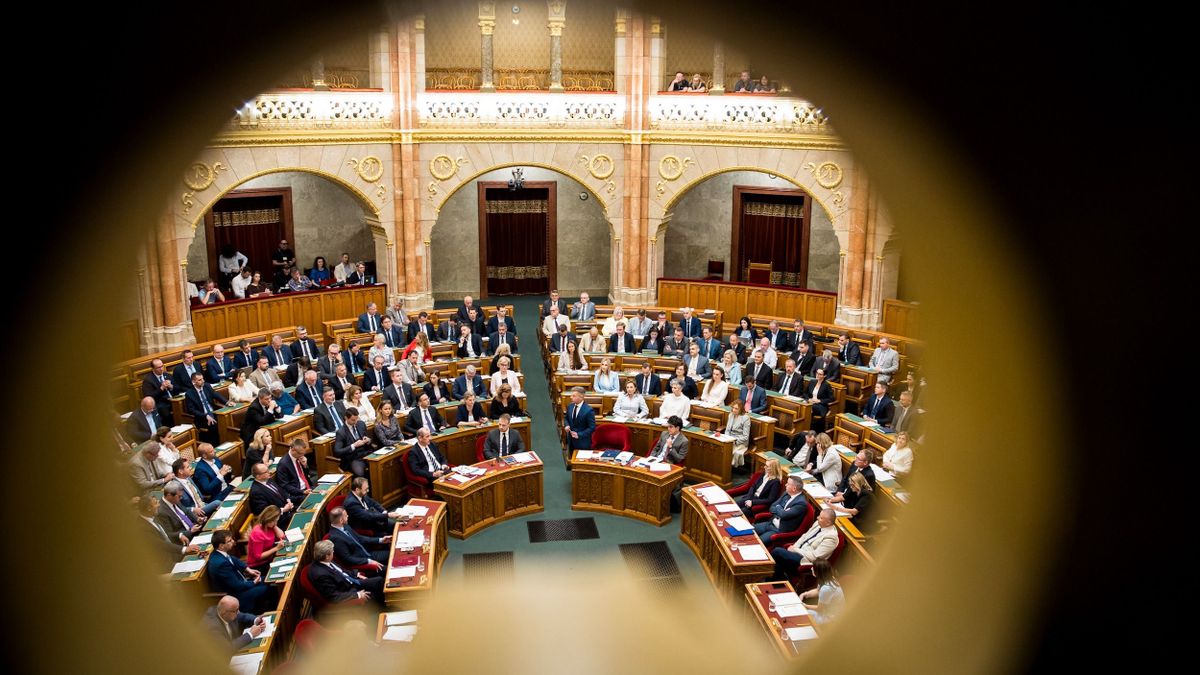
This past decision has drawn sharp criticism, particularly as Baka is slated to speak at the upcoming 70th anniversary of the 1956 Uprising. Critics, including figures like László Toroczkai, question the appropriateness of his participation, suggesting his past actions undermine his credibility on the matter. The article highlights the stark contrast between Baka's stance and the public's potential expectations for commemorating the uprising.
Korbely's unit killed several revolutionaries, one of whom he personally shot dead.
DistantNews Editorial
Originally published by Magyar Nemzet in Hungarian. Translated, summarized, and contextualized by our editorial team with added local perspective. Read our editorial standards.
More Stories

From Our Blog

Countries Without a Free Press: What You Need to Know

What Press Freedom Means for the News You Read

What Gets Lost (and Found) When News Is Translated

The Critical Role of Diaspora Media in Global News

What Travellers Should Know About Countries with Restricted Press
