

New JPJ Complex for Negeri Sembilan to be Built in Senawang Next Year
Translated from Malay, summarized and contextualized by DistantNews.
At a glance
News
Named sources
New plan
- Malaysia's Transport Ministry will build a new Road Transport Department (JPJ) complex in Senawang, Negeri Sembilan, next year.
- The RM140 million project aims to replace the aging 40-year-old headquarters and improve customer comfort with a more corporate image.
- The current headquarters will be demolished, with operations temporarily moving to Era Walk, Seremban for approximately three years.
A new, modern complex for the Road Transport Department (JPJ) in Negeri Sembilan is set to begin construction in Senawang next year. The project, with an estimated cost of RM140 million, aims to replace the existing state headquarters, which has been in use for over 40 years and no longer meets current needs.
Transport Minister Anthony Loke stated that the new complex will enhance customer comfort and provide JPJ offices with a more corporate image, similar to banks and telecommunication companies. The current headquarters will be demolished in early next year. Its operations will be temporarily relocated to Era Walk, Seremban, for about three years while the new facility is built.
We also want JPJ offices to have a more corporate image like those in banks and telecommunication companies.
In a related development, Loke mentioned that the JPJ is considering rebuilding its Wangsa Maju, Kuala Lumpur office through a public-private partnership. He noted that land values in Wangsa Maju have significantly increased, making a joint venture with the private sector a viable option to share construction costs for a new complex.
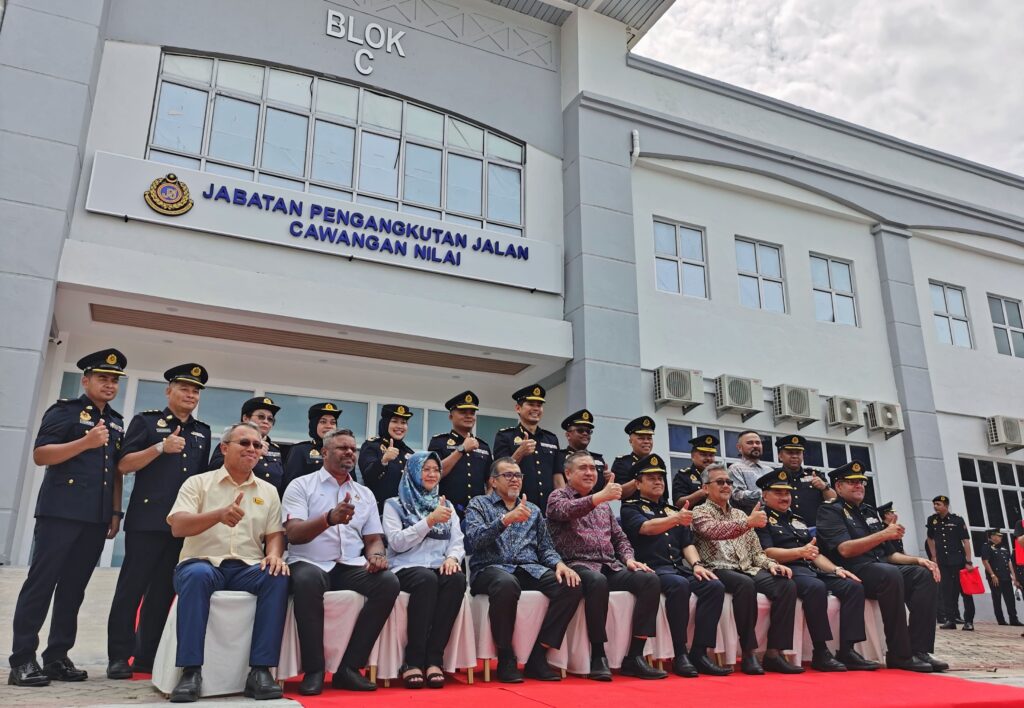
Regarding the newly opened JPJ branch in Nilai, Loke explained that its establishment was driven by the area's rapid growth. The branch, which began operations on June 8, is housed in a renovated premise leased from the Seremban City Council (MBS) for RM1.7 million over six months. It is expected to serve approximately 120,000 residents in Nilai and surrounding areas, including Bandar Baru Bangi, Sepang, Salak Tinggi, Sendayan, and Putra Mahkota.
The land value in Wangsa Maju has increased many times compared to when the building was first built. We can consider a joint venture with the private sector so that the cost of building the new complex can be borne by the involved parties.
DistantNews Editorial
Originally published by Utusan Malaysia in Malay. Translated, summarized, and contextualized by our editorial team with added local perspective. Read our editorial standards.
More Stories
From Our Blog

What Gets Lost (and Found) When News Is Translated

The Critical Role of Diaspora Media in Global News

What Travellers Should Know About Countries with Restricted Press

A Digital Nomad's Guide to Following Local News

How the Same Story Looks Different in Different Countries
