


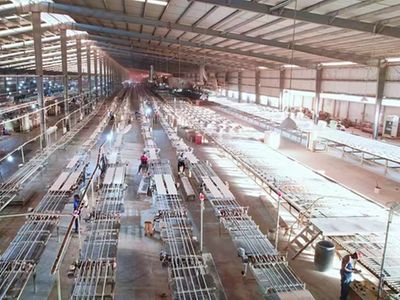
New Kenya tax code sparks fear among Tanzania's marble producers
Translated from Swahili, summarized and contextualized by DistantNews.
At a glance
News
Sources not specified
Context piece
- New tax regulations in Kenya have created concern among Tanzanian marble producers.
- The changes, particularly the shift to a weight-based excise duty calculation, could significantly increase costs for Tanzanian products in Kenya.
- The Tanzanian government is in discussions within the East African Community to find a solution that protects regional trade and local producers.
Tanzania's marble producers are expressing significant concern following recent changes to Kenya's tax system. The new regulations, specifically the introduction of an excise duty calculation based on weight, are feared to substantially increase the cost of Tanzanian marble products in the Kenyan market. This shift could undermine the competitiveness of goods produced in Tanzania and potentially weaken trade within the East African Community (EAC).
Justin Xie, the commercial manager for Tanzania's Goodwill Tanzania Ceramic Co. Ltd, highlighted the company's worries. He stated that while they support regional cooperation and an open, predictable East African market, the new measures might reverse progress made in building regional trade. Under the revised system, imported marble into Kenya faces a 5% excise duty or 50 Kenyan shillings per kilogram, whichever is higher. This replaces the previous method, which was based on customs value or square meterage.
We support regional cooperation and believe the East African market should be open, predictable, and beneficial for all producers. Our concern is that these steps could reverse the progress made in building regional trade.
Xie explained that the weight-based calculation could drastically inflate the cost for Tanzanian products, creating uncertainty for sellers regarding the actual import expenses. He emphasized that the company is not seeking special treatment but fair application of agreed-upon EAC trade principles, noting that a predictable business environment is crucial for investment, production, and job creation.
The Tanzanian government has acknowledged these concerns and is actively engaged in consultations with the Kenyan government and EAC institutions. The aim is to secure a swift resolution that safeguards regional commerce and the interests of Tanzanian manufacturers.
We are not asking for special favors, but for fair implementation of trade rules that have already been agreed upon by EAC member states. A predictable environment is what enables investment, increases production, and creates more jobs.
DistantNews Editorial
Originally published by Mwananchi in Swahili. Translated, summarized, and contextualized by our editorial team with added local perspective. Read our editorial standards.
More Stories


From Our Blog

What Gets Lost (and Found) When News Is Translated

The Critical Role of Diaspora Media in Global News

What Travellers Should Know About Countries with Restricted Press

A Digital Nomad's Guide to Following Local News

How the Same Story Looks Different in Different Countries
