


New Mumok Director's First Exhibitions Explore Childhood and Emotion
Translated from German, summarized and contextualized by DistantNews.
At a glance
News
Named sources
New plan
- Vienna's Museum of Modern Art (Mumok) is opening a new era under its new director, Fatima Hellberg, with two inaugural exhibitions.
- Hellberg, who took office last fall, is making her curatorial mark with shows designed to create a more intense, emotional encounter between art and viewers.
- One exhibition, "Figur des Kindes" by Tolia Astakhisvili, uses a labyrinthine, subterranean setting to explore themes of childhood curiosity, memory, and the ephemeral nature of moments.
Vienna's Museum of Modern Art (Mumok) is ushering in a new chapter with the appointment of Fatima Hellberg as its new director. After 15 years under Karola Kraus, Hellberg, born in Malmö in 1986 and formerly of the Bonner Kunstverein, officially assumed her role last fall. Her curatorial vision is now coming to light through two parallel opening exhibitions, signaling a departure from her predecessor's tenure.
Traditionally, Mumok's new director's inaugural shows set a programmatic tone. Edelbert Köb's 2002 exhibition focused on Austrian artists, while Kraus's 2011 opening, "Museum der Wünsche," featured numerous loans, many by female artists. Hellberg's approach, developed with chief curator Lukas Flygare, emphasizes a theatricality and staged quality. The exhibitions aim to foster a more intense and emotional connection between the art and the audience, moving beyond the conventional sterile white cube of contemporary art spaces.
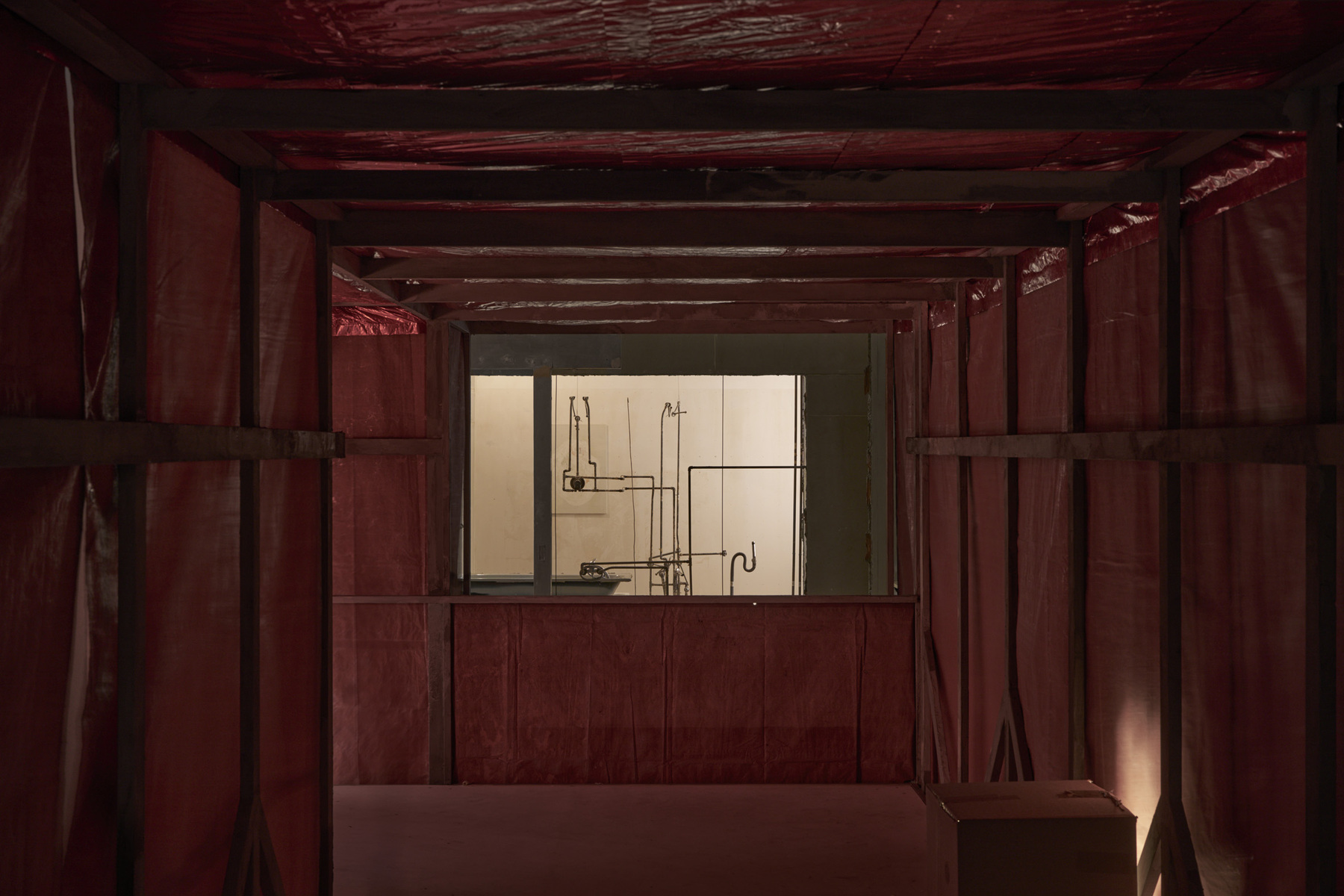
One of these exhibitions, "Figur des Kindes" (Figure of the Child) by Georgian artist Tolia Astakhisvili, is housed in the museum's lower levels. The installation's design, described as labyrinthine and reminiscent of a construction site or even a birth canal, aims to symbolize the emergence of the new from the foundations. Visitors enter through a dark red passage, immersing themselves in an environment that probes the viewer's innate childhood curiosity and sentimentality.
Astakhisvili, who has spent over two decades creating "artificial archaeologies of emotional spaces," uses the exhibition to explore themes of discovery, memory, and the transient nature of moments. The show intentionally plays with ambivalence, encouraging viewers to confront their own roots and engage with the unknown. This exhibition marks Astakhisvili's first museum show in Austria, highlighting Mumok's commitment to showcasing significant contemporary artists under its new leadership.
DistantNews Editorial
Originally published by Die Presse in German. Translated, summarized, and contextualized by our editorial team with added local perspective. Read our editorial standards.
More Stories


From Our Blog

What Gets Lost (and Found) When News Is Translated

The Critical Role of Diaspora Media in Global News

What Travellers Should Know About Countries with Restricted Press

A Digital Nomad's Guide to Following Local News

How the Same Story Looks Different in Different Countries
