


New phishing scam accounts delayed or blocked for a month, around 5,000 cases
Translated from Korean, summarized and contextualized by DistantNews.
At a glance
News
Named sources
New plan
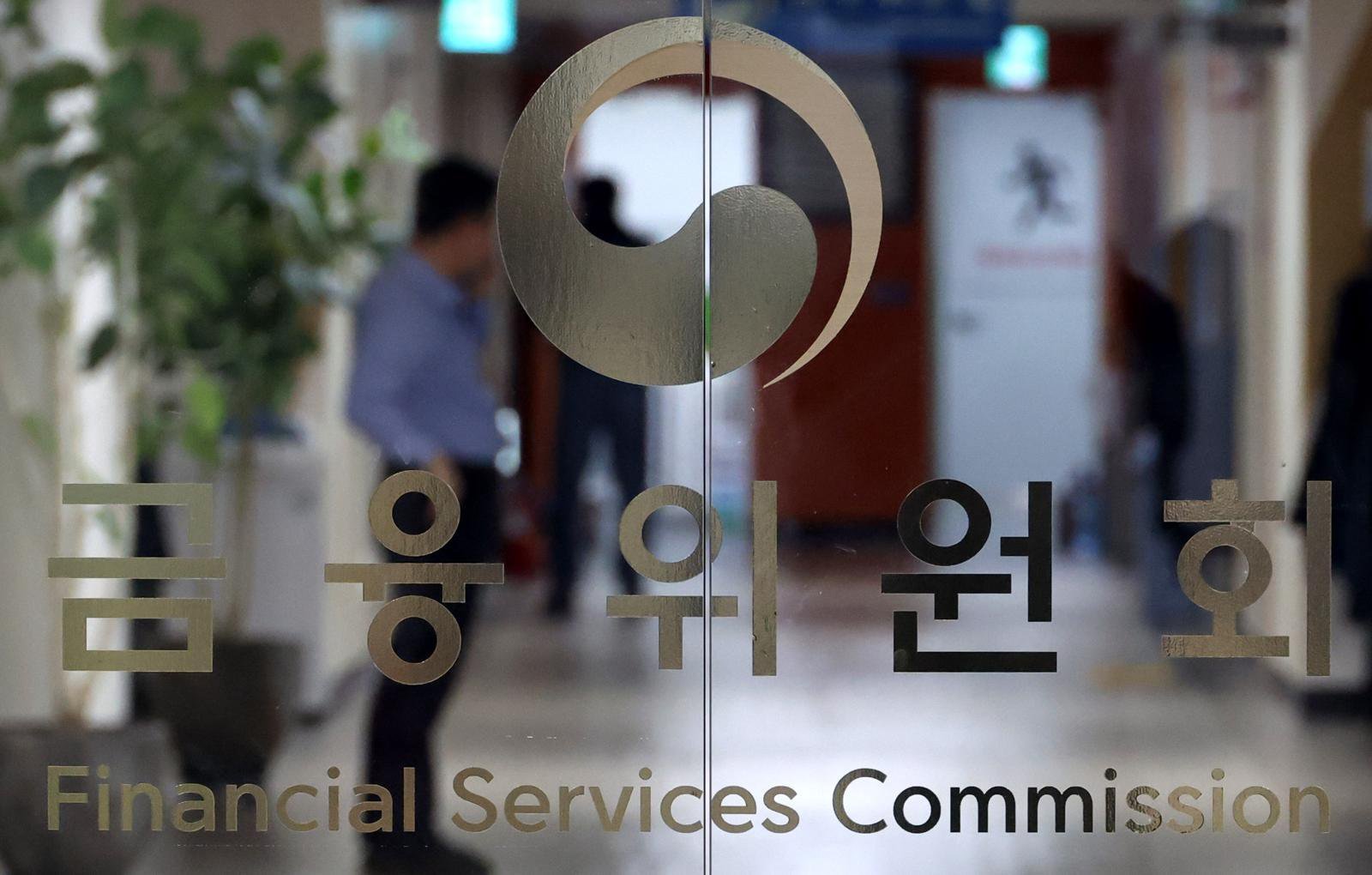
- South Korea's Financial Services Commission (FSC) has implemented a system to temporarily delay or block transactions from accounts suspected of new types of phishing.
- In the first month since the system's introduction, approximately 5,000 suspicious accounts had their transactions temporarily frozen or blocked.
- The FSC is applying the account blocking measures to new phishing schemes, including romance scams and team mission scams, beyond traditional voice phishing.
South Korea has introduced a new measure to combat evolving phishing scams by temporarily delaying or blocking transactions from suspicious accounts. The Financial Services Commission (FSC) reported that in the first month of this system's operation, nearly 5,000 accounts faced such restrictions.
Launched on June 30, the system allows financial institutions to temporarily freeze transactions from accounts flagged as engaging in new forms of phishing. The Financial Intelligence Unit (FIU) has identified 4,935 cases where financial companies took provisional measures. Of these, 3,750 accounts were temporarily frozen, and the FIU is reviewing an additional 1,065 cases for potential transaction freezes.
The FSC is now extending account blocking measures to phishing schemes that mimic goods or services transactions, moving beyond the scope of traditional voice phishing. These new tactics include "romance scams," where emotional bonds are built before financial requests are made, accounting for 1,527 cases (41%) of the flagged incidents. "No-show" scams, related to proxy purchases, followed with 1,376 cases (37%), and "team mission" scams, which lure victims into depositing money as a guarantee for supposed rewards, comprised 847 cases (22%).
The FIU advises the public to exercise caution, particularly by verifying the identities of public officials and being wary of unsolicited phone calls. This initiative aims to curb the increasing financial losses incurred by victims of sophisticated phishing operations.
Thoroughly verify the identities of public institution employees and pay special attention to calls received on your mobile phone.
DistantNews Editorial
Originally published by Dong-A Ilbo in Korean. Translated, summarized, and contextualized by our editorial team with added local perspective. Read our editorial standards.
More Stories

From Our Blog

What Gets Lost (and Found) When News Is Translated

The Critical Role of Diaspora Media in Global News

What Travellers Should Know About Countries with Restricted Press

A Digital Nomad's Guide to Following Local News

How the Same Story Looks Different in Different Countries
