

New players enter the LNG market. Orlen is not afraid of the end of its monopoly
Translated from Polish, summarized and contextualized by DistantNews.
At a glance
News
Sources not specified
Context piece
- Four entities have secured long-term access to the FSRU 2 terminal in the Bay of Gdańsk, Poland, leading to the development of a second floating terminal.
- This expansion will give Poland three LNG installations with a combined regasification capacity exceeding 20 billion cubic meters annually, meeting domestic consumption needs.
- Orlen, previously holding a near 90% market share, acknowledges increased competition but views it as a positive development for the market's liquidity and growth.
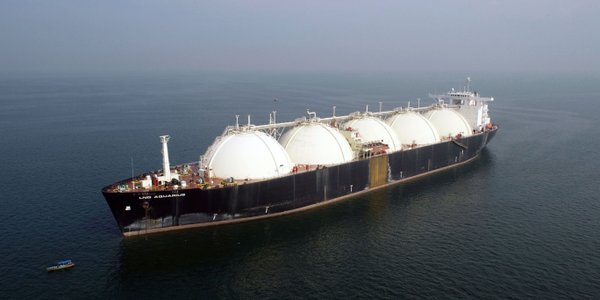
Poland's liquefied natural gas (LNG) market is set for a significant shift with the entry of new players. Four entities have secured long-term access to the FSRU 2 terminal in the Bay of Gdańsk, operated by Gaz-System. This development will result in a second floating LNG terminal in the area, boosting Poland's regasification capacity.
Upon completion, Poland will possess three LNG installations with a combined annual regasification capacity surpassing 20 billion cubic meters. This volume is roughly equivalent to the country's total annual gas consumption. The new terminal, scheduled for completion in 2030, will have an annual throughput of 6.1 billion cubic meters. This marks a substantial change from the previous situation where Orlen, the national oil and gas giant, had reserved all available capacity at both the Świnoujście terminal and the first floating terminal in Gdańsk, giving it approximately 90% of the domestic gas market share.
Orlen, while facing increased competition, does not perceive this as a threat. The company stated, "We operate in a competitive and increasingly integrated gas trading market. We do not view the interest in FSRU 2 capacity by other entities as a challenge, but rather as confirmation of this market's potential." Orlen believes that greater market activity will enhance liquidity, which is crucial for the development of the Baltic Eagle Gas Hub. "Competition in the market does not change our role but strengthens the conditions for the development of the entire hub," the company added.
Other companies, such as Polska Grupa Energetyczna (PGE) and Enea, see the access to FSRU 2 as a way to secure gas supplies for their planned gas-fired power plants after 2030. Kamil Krasowski, a board member for commercial affairs at Enea, explained, "Gaining access to FSRU 2 infrastructure means greater freedom in sourcing gas from various parts of the world. This allows us to more effectively secure supplies for our clients, increase purchasing flexibility, and reduce the impact of market fluctuations on our operations. It also confirms the effectiveness of our efforts in developing competencies in the gas and LNG market."
DistantNews Editorial
Originally published by Rzeczpospolita in Polish. Translated, summarized, and contextualized by our editorial team with added local perspective. Read our editorial standards.
More Stories
From Our Blog

What Gets Lost (and Found) When News Is Translated

The Critical Role of Diaspora Media in Global News

What Travellers Should Know About Countries with Restricted Press

A Digital Nomad's Guide to Following Local News

How the Same Story Looks Different in Different Countries
